Thursday, July 30, 2026

November Rain? The Most Underrated Month to Travel

Let’s be honest about November in the UK: it is grim. The clocks have gone back, the average daily high in London struggles to reach 10°C, and the country is treated to roughly 17 rainy days out of 30 and as little as two hours of proper sunshine on an average day. It’s the month when summer feels like a distant memory and Christmas still feels a lifetime away – the definition of a travel dead zone.

Except it isn’t. While everyone else is huddled under an umbrella waiting for December to arrive, savvy travellers are quietly discovering that November might be the single best month of the year to go away. Flights are cheaper, queues are shorter, and if you know where to look the weather is still genuinely lovely. This is everything you need to know about why November deserves a permanent place on your travel calendar and where to go to make the most of it.

The UK in November: Reason Enough to Book a Trip
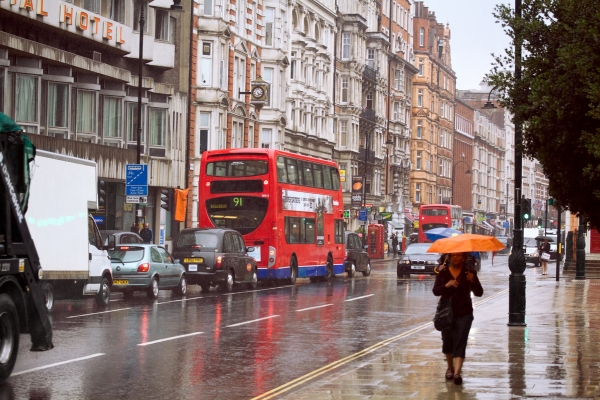
There’s no gentle way to put this: November in Britain is one long exercise in enduring the elements. Short days, long nights, and a damp chill that seems to seep into everything. Whether you’re in Manchester, Glasgow or London, the story is the same – grey skies, wet pavements, and a serious deficit of vitamin D. It’s precisely the sort of month that makes a well-timed escape feel less like a treat and more like a necessity.

Why November Is Such Brilliant Value for Travellers
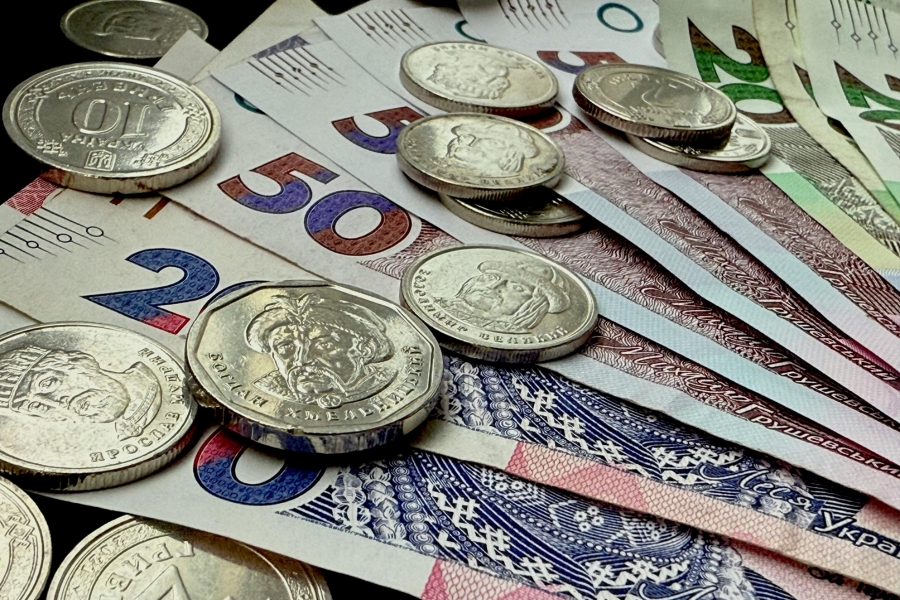
Here’s the bit most people miss: November sits in the sweet spot between the summer rush and the Christmas market crowds, which makes it one of the cheapest and quietest months to travel anywhere in the world. Because it falls outside school holidays and before the festive getaway season properly kicks off, demand drops awa and prices drop with it. Industry data shows international airfares can run around a third cheaper during the shoulder season than at the peak of summer, with routes to Spain in particular sometimes over 40% less expensive than in July and August.

Add in the fact that popular destinations across Europe are noticeably less crowded – no queuing for an hour to get into the Alhambra, no fighting for a table at your favourite Sicilian trattoria and November starts to look less like a compromise and more like the smart choice. Better still, several destinations within a few hours’ flight of the UK are enjoying weather that’s still genuinely mild, even as Britain shivers.

Winter Short-Haul Sun: Warmth Is Closer Than You Think

If you assume “short-haul” and “sunshine” can’t coexist with “November”, think again. A handful of destinations just a few hours from the UK are still basking in properly pleasant temperatures long after autumn has taken hold at home.
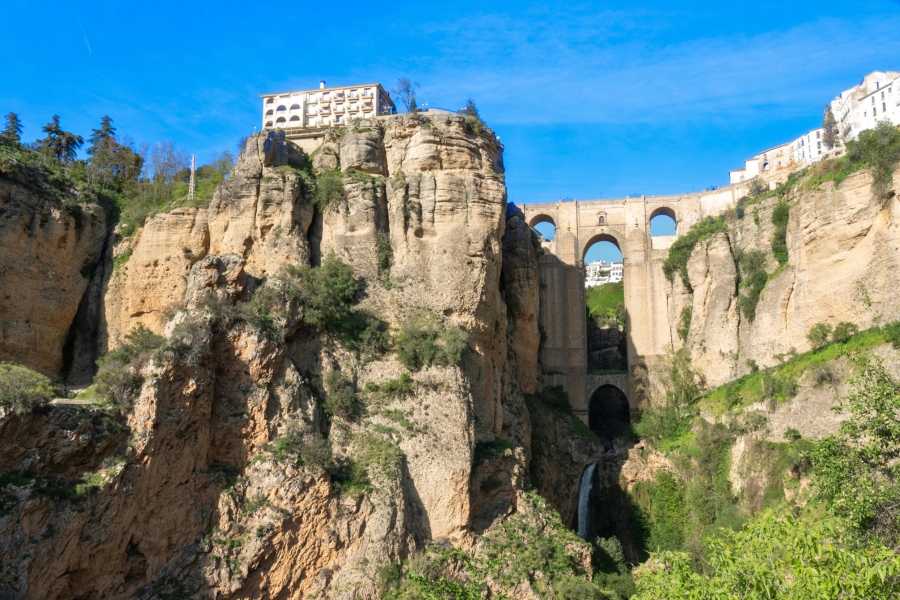
The Andalusia Experience: Southern Spain barely seems to notice that summer has ended. Seville sees daytime highs around 21°C (with overnight lows around 10°C), while along the Costa del Sol, Málaga stays similarly mild at roughly 20°C by day. That’s shirt-sleeves weather for exploring the Alhambra, wandering whitewashed pueblos blancos, or lingering over tapas on a terrace – all while the UK huddles indoors. Direct flights from £39 return from London in November with skyscanner.
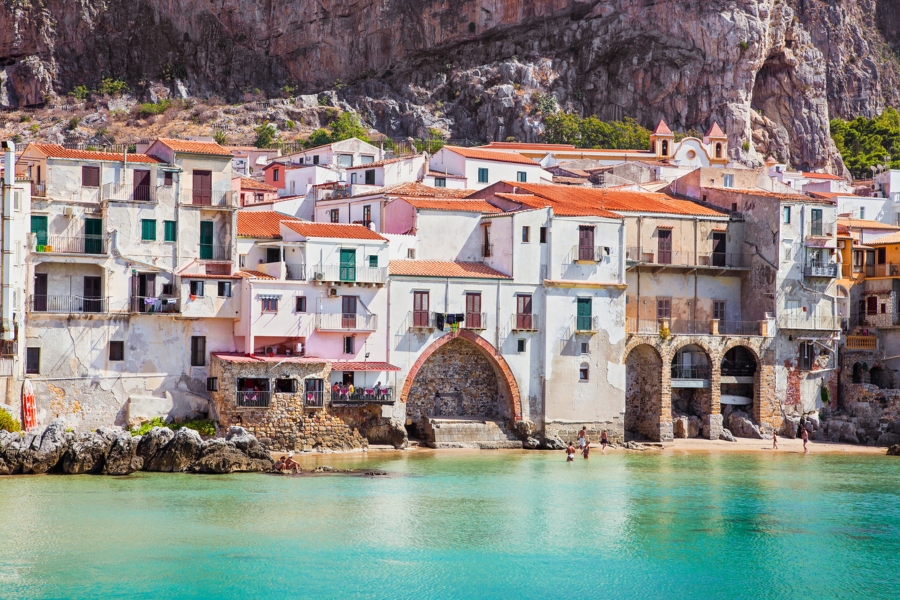
The Sicily Experience: Italy’s largest island holds onto its warmth beautifully into November, with Palermo and Catania both averaging around 20-21°C during the day. The sea stays swimmable for the brave, the wine harvest is in full swing, and with the summer tourist hordes long gone, you can enjoy food walking tours and vineyard visits without another British accent in earshot. Direct flights from £54 return from London in November with skyscanner.
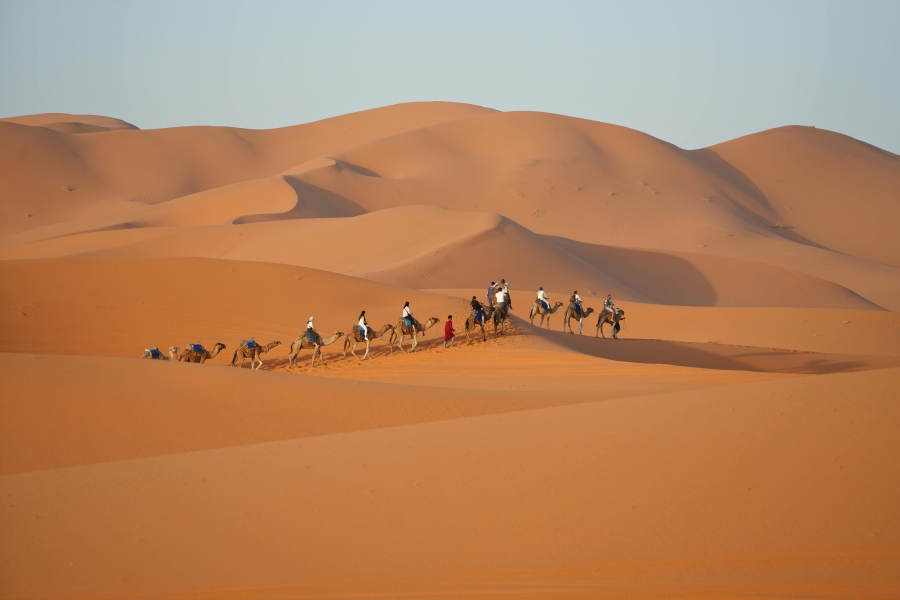
The Sahara Desert Experience: Morocco’s desert in November is arguably at its best – daytime temperatures around a comfortable 25°C, with cooler nights near 10°C perfect for wrapping up under blankets beneath a spectacular blanket of stars. It’s the ideal balance: warm enough to enjoy camel treks and dune camps by day, atmospheric enough for unforgettable desert nights. Direct flights from £48 return from London in November with skyscanner.
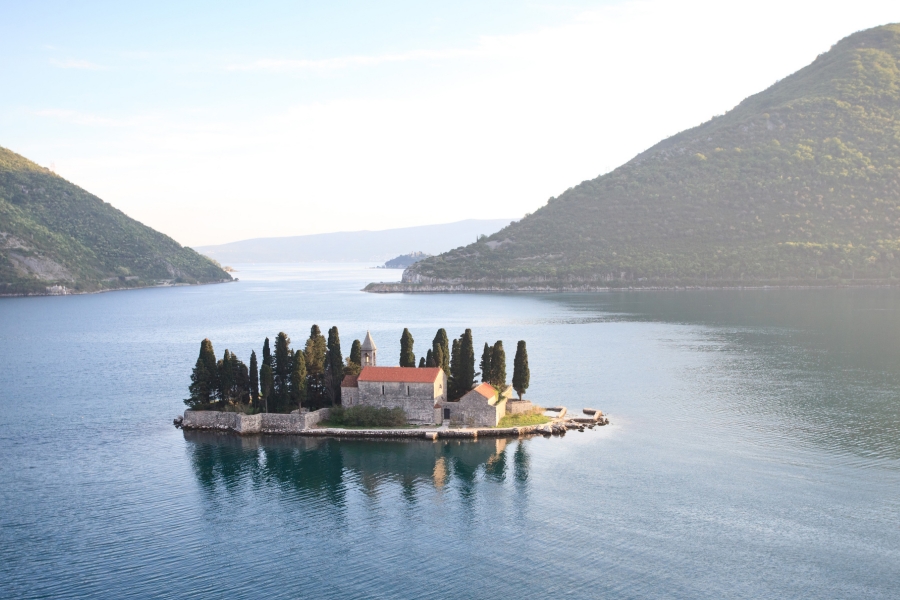
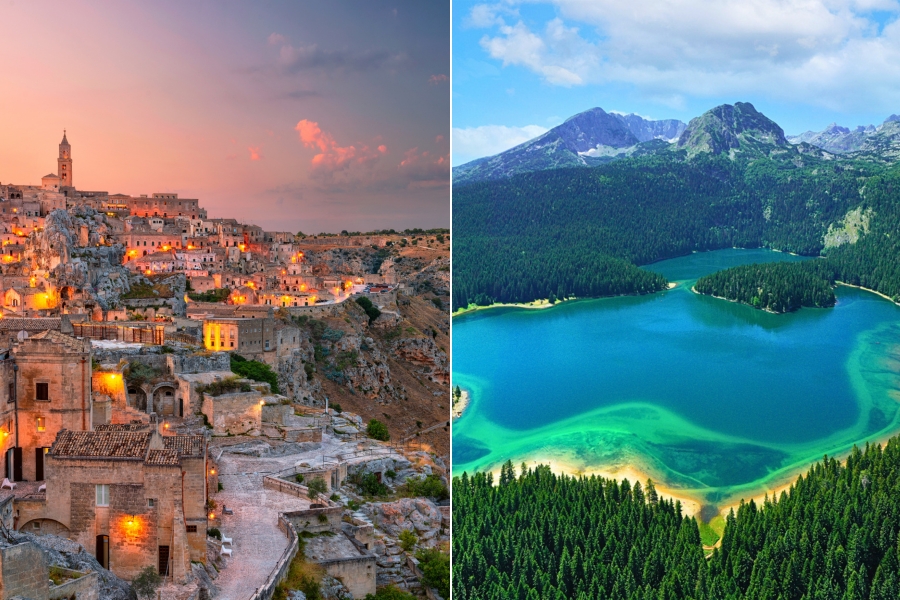
The Montenegro Experience: Tucked along the Adriatic, Montenegro offers a quieter, more dramatic alternative to the well-trodden Mediterranean, with Kotor enjoying November highs of around 17°C. Combine the fjord-like Bay of Kotor, medieval old towns and mountain backdrops with a fraction of the summer crowds, and you have one of Europe’s most underrated November escapes. Direct flights from £74 return from London in November with skyscanner.

Winter Wonderlands: Christmas Magic Without the Christmas Prices

Fancy snow instead of sun? November is when Europe’s winter wonderlands switch on their magic and, crucially, before the December price surge and half-term crowds descend.
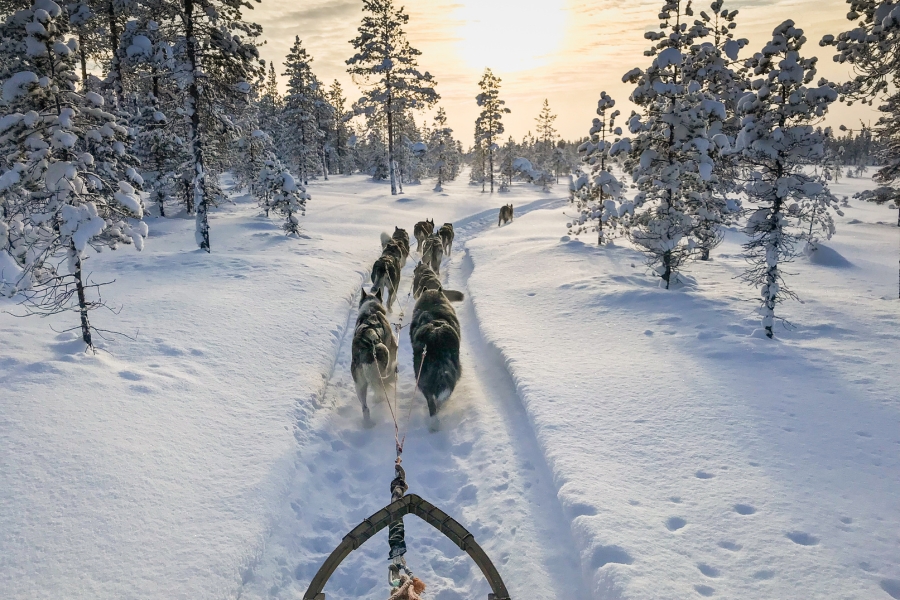
The Lapland Experience: The Arctic’s snow typically settles in for good by November, meaning you can experience a proper white winter husky rides, snowmobiles, the works and well before the frantic (and considerably pricier) run-up to Christmas Day itself. Direct flights from £63 return from London in November with skyscanner.
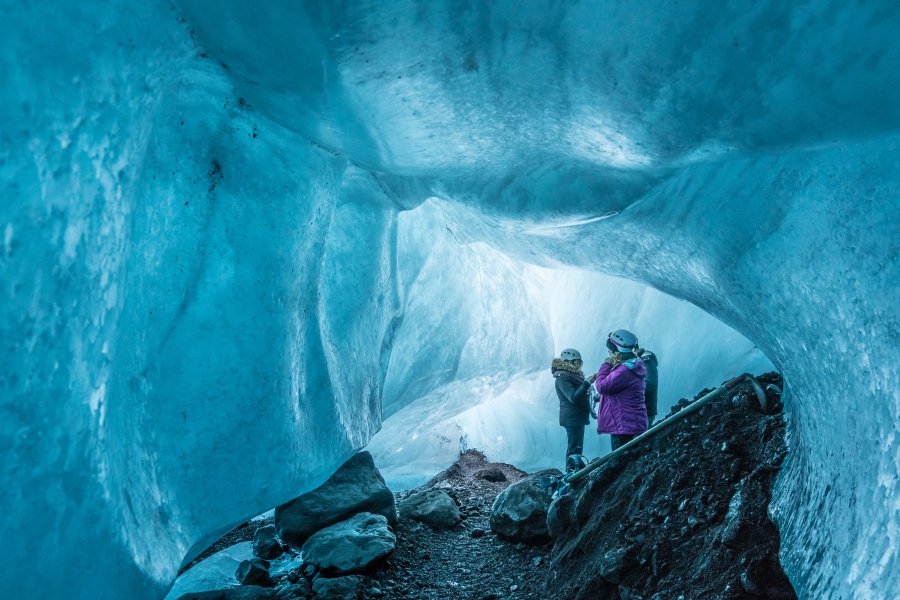
The Mini Winter Iceland Experience: November is prime Northern Lights season, with long dark evenings giving you the best possible odds of catching the aurora, alongside geothermal spas and dramatic waterfalls. And because it falls outside the February half-term rush, you’ll pay noticeably less for the privilege. Direct flights from £63 return from London in November with skyscanner.
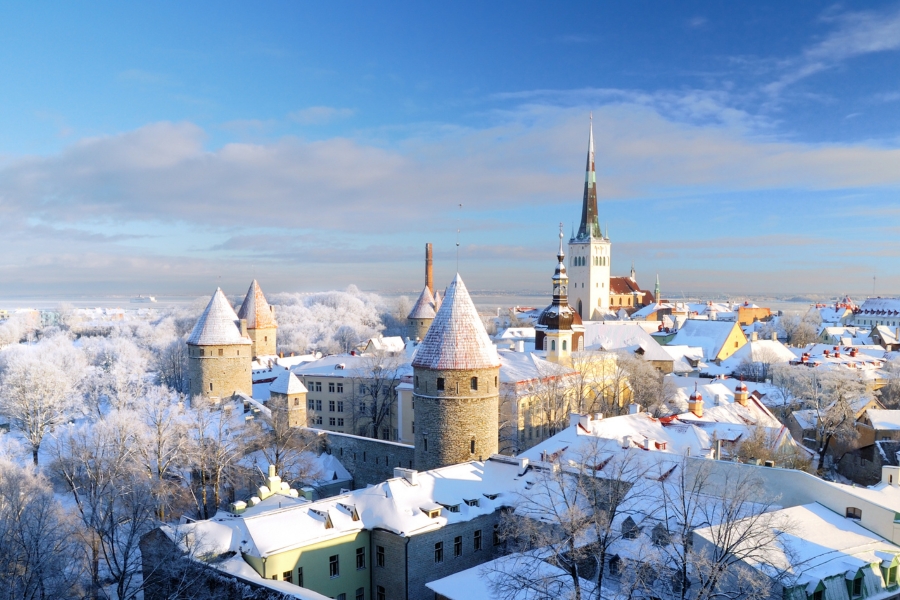
The Mini Winter Estonia Experience (coming soon to Untravelled Paths): Tallinn’s fairy-tale old town is made for cobbled streets dusted with snow, mulled wine and Christmas market stalls – all at Baltic prices rather than Western European ones. Watch this space. Direct flights from £39 return from London in November with skyscanner.

The pattern across all three is the same: you get the full winter wonderland experience – snow, lights, markets, magic and at a noticeably better price than the same trip taken just a few weeks later.

Epic Long-Haul Journeys: Real Adventure, Real Value

For those who want more than a long weekend, who are after proper adventure, brilliant weather and outstanding value on the flights that get you there. November is quietly one of the best months of the year to go long-haul.
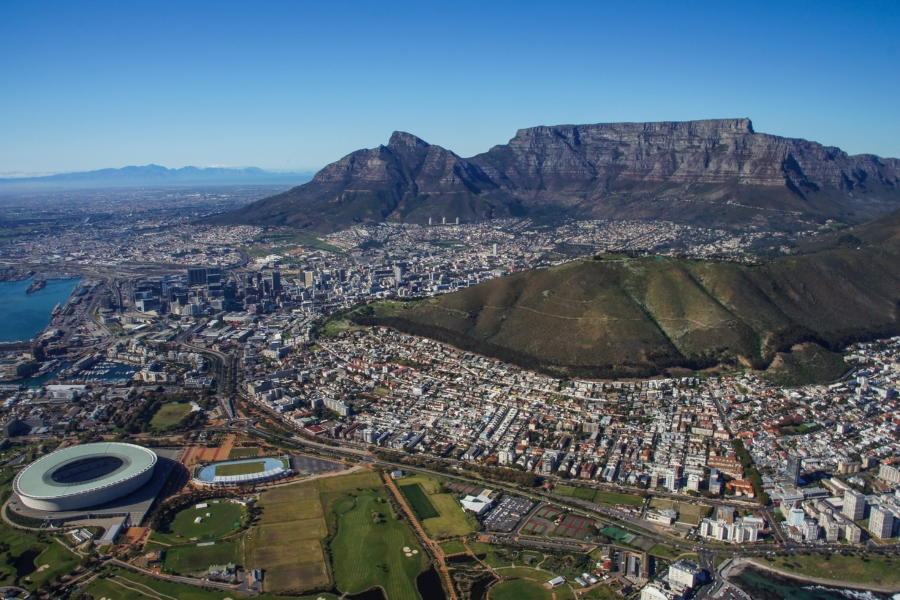
The Western Cape Safari Experience: November marks the start of South Africa’s spring and early summer, with warm, dry days perfect for game drives, whale watching along the coast and wine tasting in the Cape Winelands – all before the peak December and January rush sends prices climbing. Direct flights from under £500 return (even cheaper with a connection) from London in November with skyscanner.
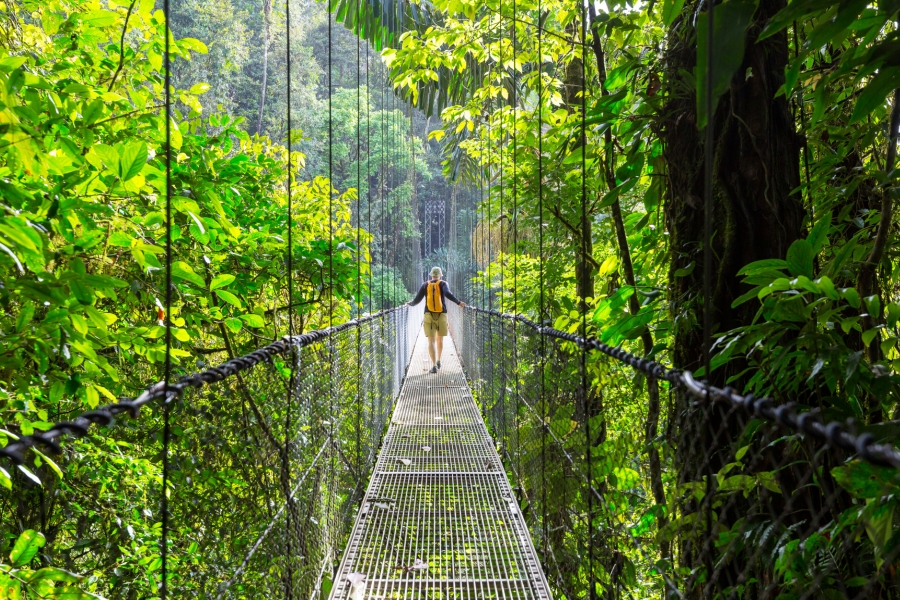
The Costa Rica Experience: As the rainy season draws to a close, Costa Rica moves into its glorious dry season, with lush rainforests, pristine beaches and abundant wildlife all at their best with airfares considerably kinder to your wallet than during the North American winter break. Direct flights from under £700 return (even cheaper with a connection) from London in November with skyscanner.
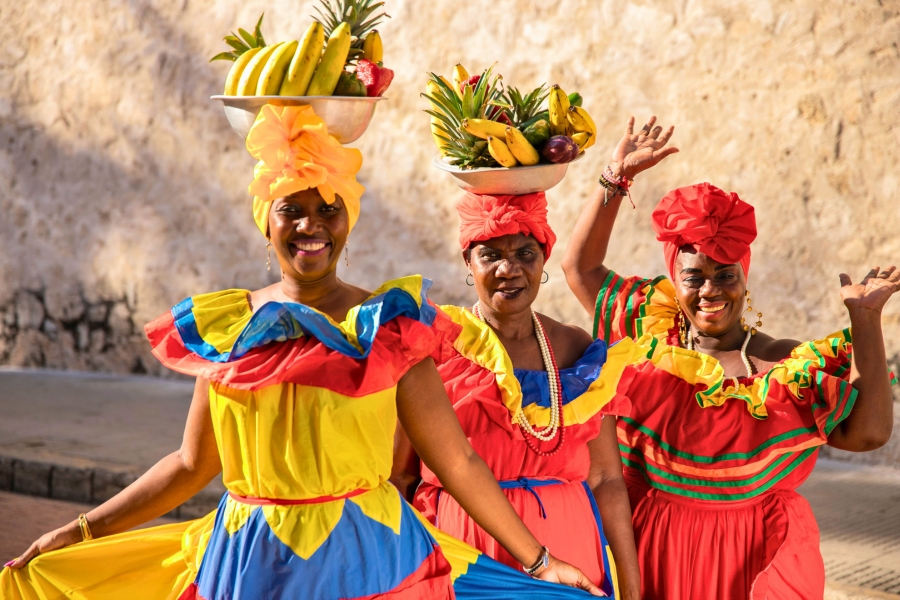
The Colombia Experience: With a climate that barely shifts through the year, Colombia is a genuine year-round destination – meaning November delivers the same warm days in the coffee region, the same vibrant streets of Cartagena and Medellín, without the premium pricing of the traditional festive season. Direct flights from under £850 return (even cheaper with a connection) from London in November with skyscanner.
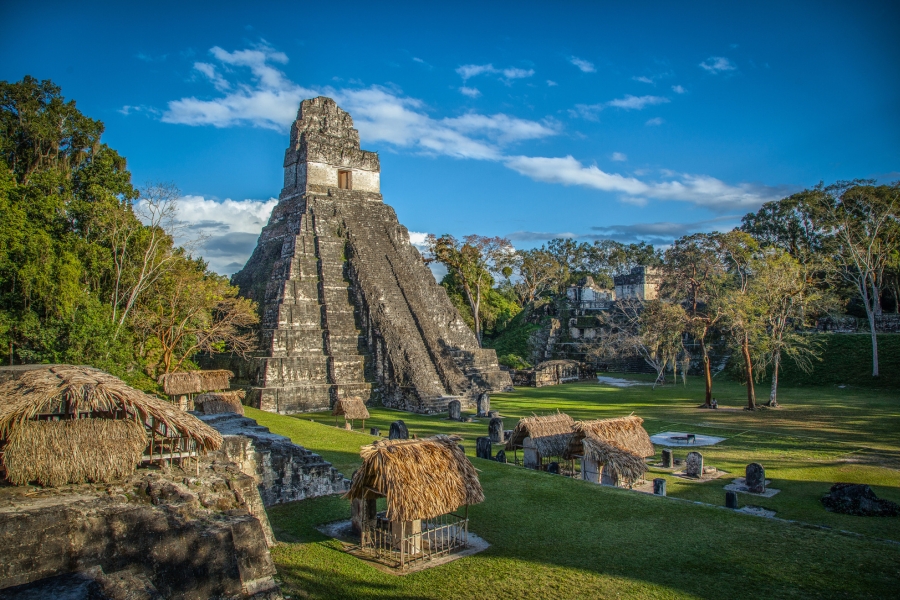
The Guatemala Experience: November brings the start of Guatemala’s dry season, ideal for exploring Mayan ruins, hiking around Lake Atitlán and wandering colonial Antigua under clear skies – all while long-haul fares sit well below their December peak. Direct flights from under £700 return (even cheaper with a connection) from London in November with skyscanner.

Each of these journeys proves the same point: travelling in November doesn’t mean compromising on adventure or weather. If anything, you get the best of both, at a price that peak season simply won’t match.

The Bottom Line
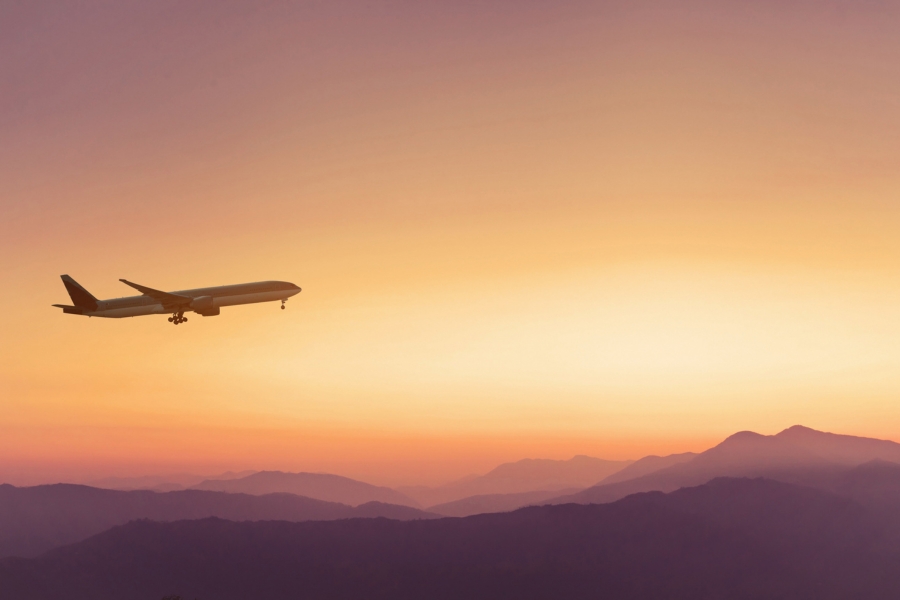
November has an image problem, and in the UK, that image is entirely deserved. But look beyond these shores and the picture flips entirely: cheaper flights, thinner crowds, and destinations ranging from sun-warmed Andalusian courtyards to snow-dusted Lapland forests and dry-season Guatemalan jungles, all waiting to be explored without the peak-season premium.

Don’t let another grey, drizzly November pass you by. Browse our full range of November trips and find your next adventure, because while everyone else is waiting for summer, you could already be halfway there.

Written by James Chisnall

The post November Rain? The Most Underrated Month to Travel appeared first on Untravelled Paths.


from Untravelled Paths https://blog.untravelledpaths.com/blog/november-rain-the-most-underrated-month-to-travel/


Thursday, July 16, 2026

10 European Destinations You Can Fly To in August for Under £75

Everyone assumes August has to mean sky-high fares. Peak summer, school holidays, everyone and their dog trying to get away at once, surely the flights are a fortune? Not necessarily. We’ve had a dig through Skyscanner and found ten cracking European destinations you can fly to and from London this August for under £75 return.

The trick, as ever, is flexibility. Stay open-minded about your exact travel dates and which airport you land into, and there are still some brilliant deals to be found even in the height of summer. Whether you fancy a proper city break or a springboard into somewhere further afield, here’s our countdown of the best value flights for August.

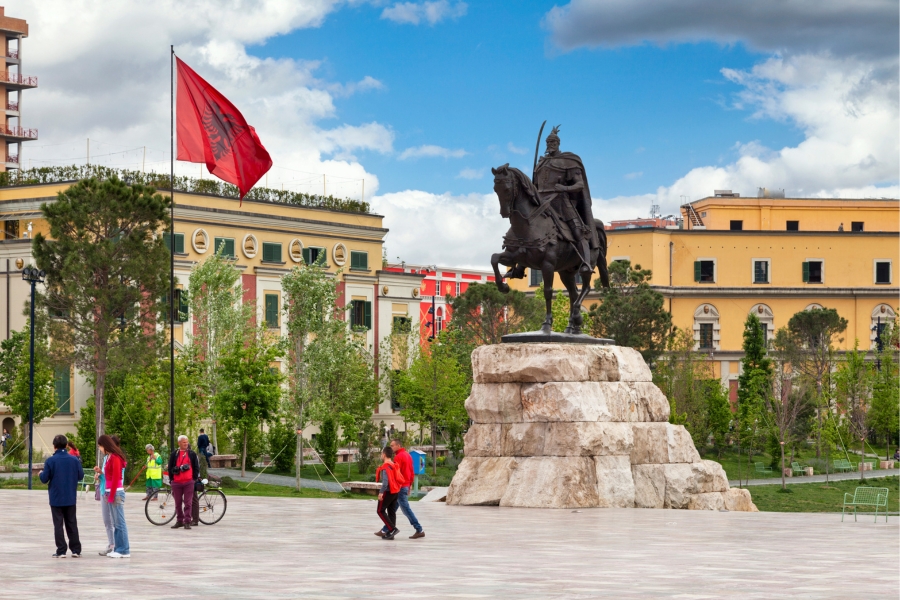
10. Tirana, Albania – £75

Albania’s buzzing, colourful capital doesn’t get nearly enough credit. Expect leafy boulevards, a lively café culture, and the Dajti Mountain cable car right on the doorstep, all in glorious August sunshine. It’s also one of the best-connected gateways into the Albanian Alps. It’s worth noting that Tirana easily connects to our Mountains to Sea and Mini Albanian Alps Experiences.

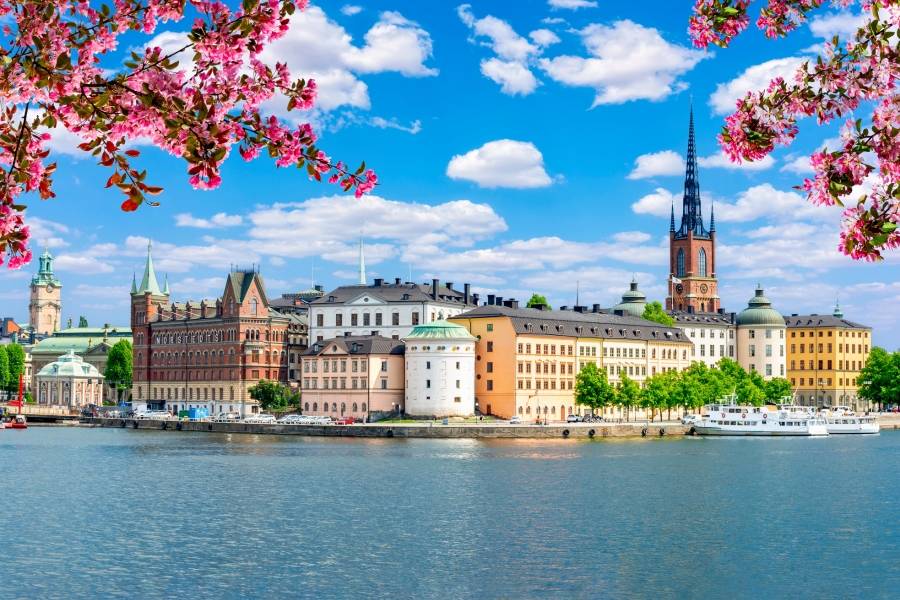
9. Stockholm, Sweden – £73

August is arguably Stockholm’s finest month, long, mild days, the crowds of high summer beginning to thin, and the city’s parks, waterways, and outdoor cafés all at their absolute best. Don’t miss the Old Town’s cobbled lanes or a boat trip out into the archipelago.

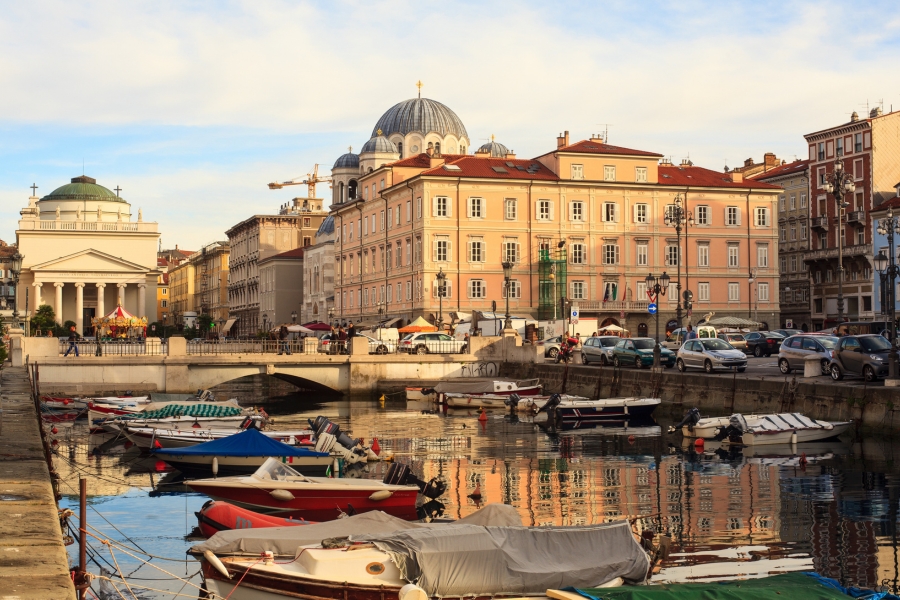
8. Trieste, Italy – £72

Sitting quietly at the top of the Adriatic, Trieste blends Italian, Austrian, and Slavic influences into something genuinely different from the usual Italian city break. Wander the grand Piazza Unità d’Italia, sip coffee in one of its elegant old cafés, and enjoy August’s warm, breezy evenings by the sea. Trieste connects beautifully with any of our Slovenia Experiences either by a relaxing train to Ljubljana or a shorter 1 hour road transfer

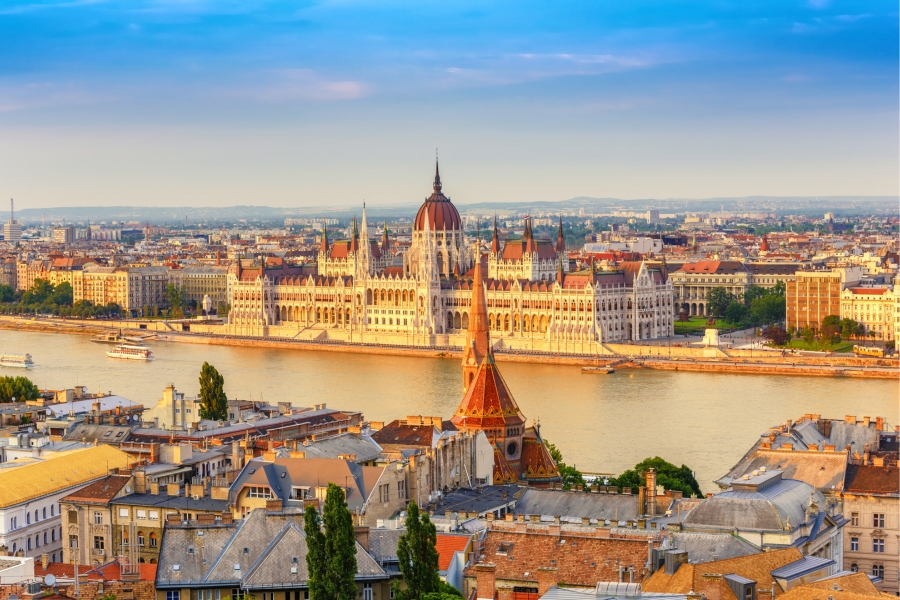
7. Budapest, Hungary – £68

Budapest in August means long evenings on the Danube, thermal baths that are just as good (if not better) in summer, and a ruin bar scene that really comes alive after dark. It’s a city that rewards wandering, so leave plenty of time to get gently lost.

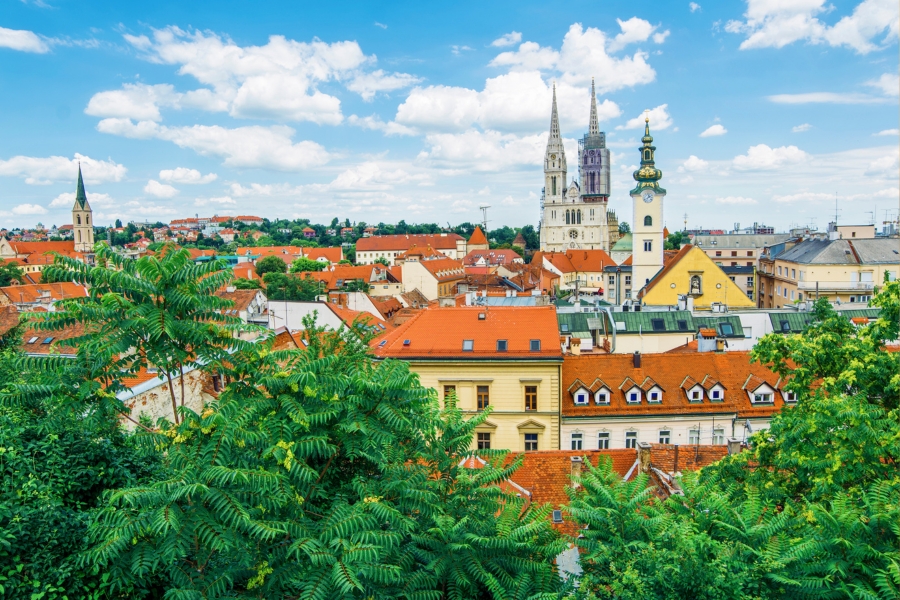
6. Zagreb, Croatia – £61

Croatia’s underrated capital swaps the coastal crowds for a relaxed, café-filled old town, excellent museums, and some of the best ice cream in the Balkans. August evenings here are warm without the intensity of the coast, making it a lovely, low-key city break. Zagreb is also another easy connection for our Slovenia Experiences, with the two capitals just a short hop apart.

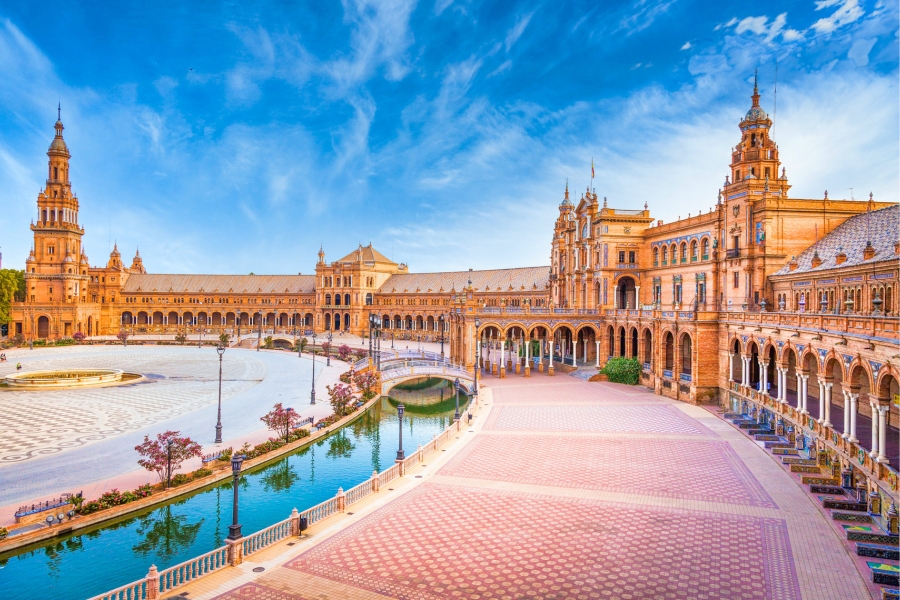
5. Seville, Spain – £59

Yes, Seville in August is properly hot, but early mornings and late evenings are glorious, and you’ll find the Real Alcázar, Plaza de España, and the city’s famous tapas bars far quieter than in spring. Just pace yourself in the afternoon heat. Seville is where our Andalusia Experience both starts and finishes, so it’s the ideal bookend to a deeper dive into southern Spain.

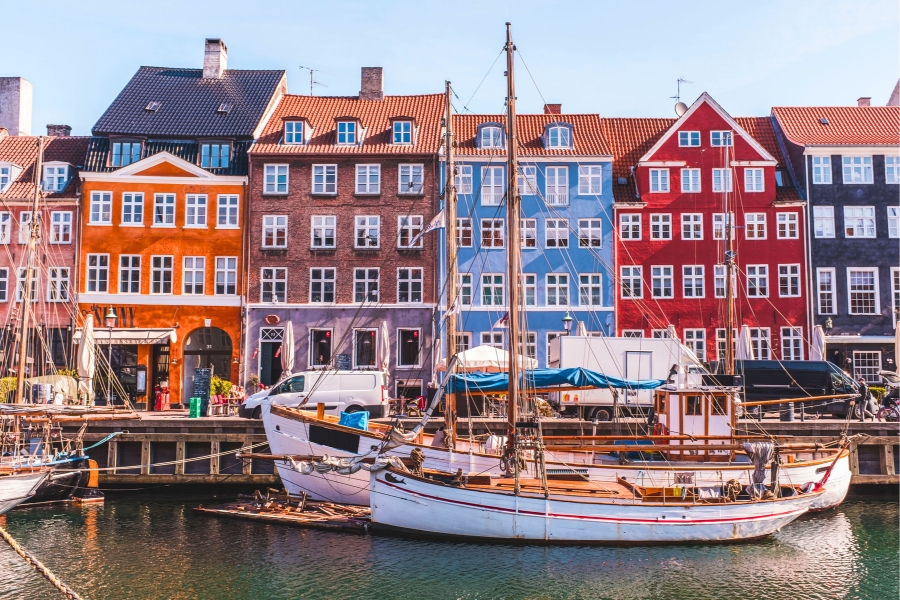
4. Copenhagen, Denmark – £40

Copenhagen in August is all bicycles, harbour swims, and long, light evenings. It’s a wonderfully liveable city to explore on foot or by bike, with Tivoli Gardens, Nyhavn’s colourful waterfront, and a seriously good food scene all worth your time.

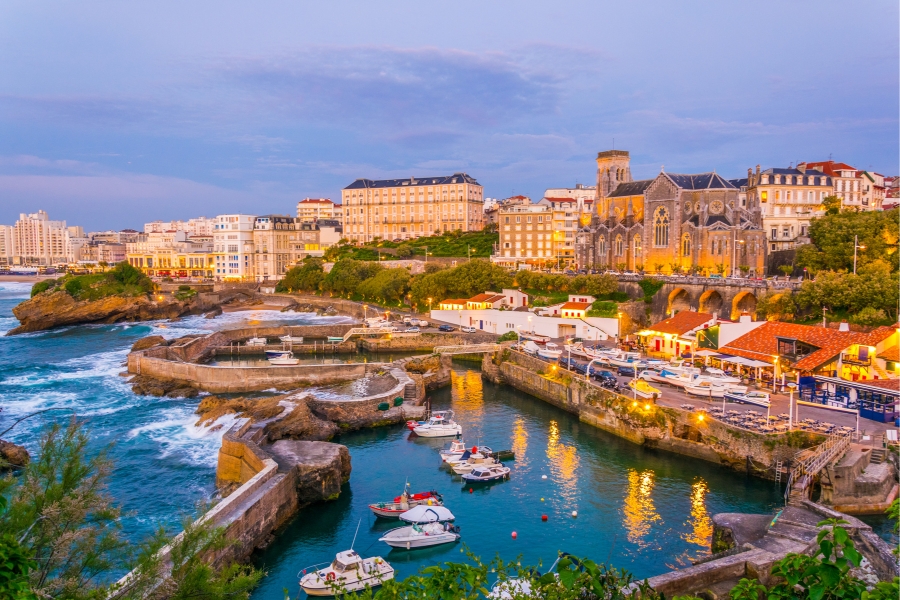
3. Biarritz, France – £40

This elegant surf town on the French Basque coast is at its absolute best in August, think golden beaches, excellent seafood, and a laid-back, sophisticated atmosphere that feels a world away from the nearby Spanish coast. Perfect for a long weekend by the sea.

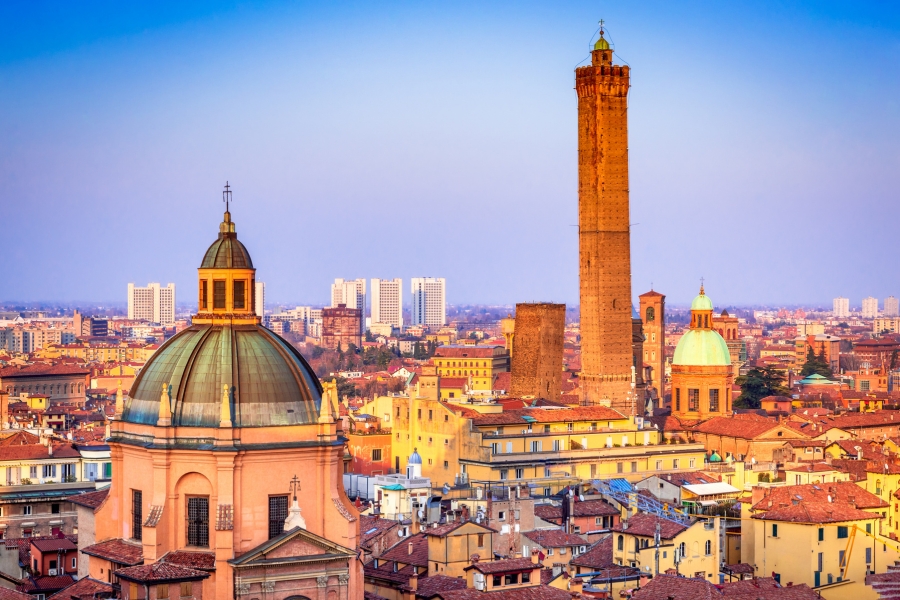
2. Bologna, Italy – £36

Bologna is one of Italy’s great food cities, and August brings warm evenings perfect for lingering over pasta and gelato beneath its famous porticoes. The Piazza Maggiore, the leaning towers, and a properly local, unpretentious atmosphere make it a brilliant, undervalued choice. Bologna is also home to our own Bologna Experience, so why not turn your flight into something more?

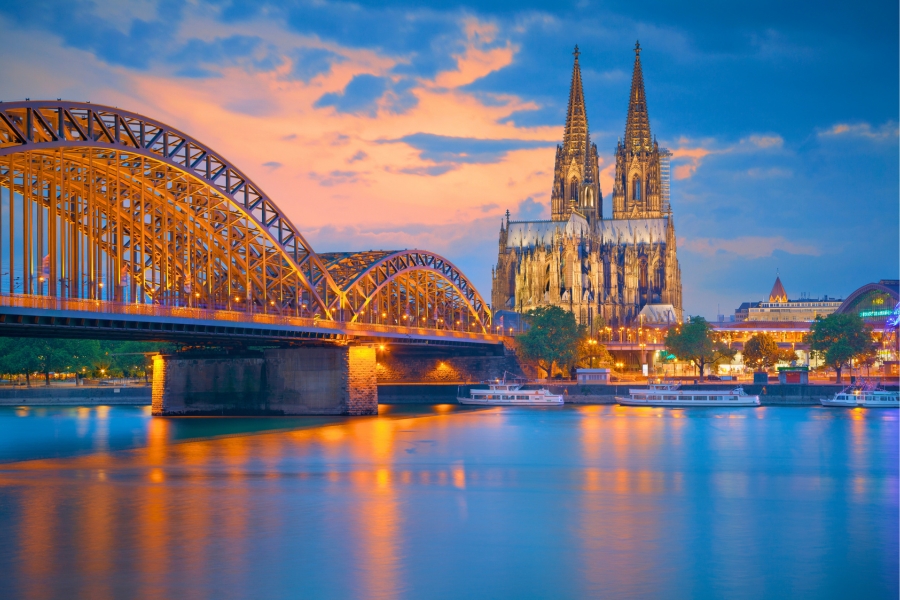
1. Cologne, Germany – £33

Topping our list at just £33 return, Cologne combines an extraordinary Gothic cathedral, a lively riverside old town, and a properly welcoming beer garden culture, all easily explored on foot. August brings a full calendar of outdoor festivals and events too, so check what’s on before you book.

Ready to do it?

Deals like these don’t tend to hang around, and with prices this good, there’s really no excuse to let the rest of summer pass you by. Whether it’s a spontaneous long weekend or the perfect springboard into one of our small-group adventures, now’s the time to book that last-minute trip you’ve been putting off.

Grab your flight, and get in touch with the Untravelled Paths team to see how we can turn it into something truly unforgettable.

Written by James Chisnall

The post 10 European Destinations You Can Fly To in August for Under £75 appeared first on Untravelled Paths.


from Untravelled Paths https://blog.untravelledpaths.com/blog/10-european-destinations-you-can-fly-to-in-august-for-under-75/
10 Unmissable Winter Highlights in Iceland (And Why Winter Is the Best Time to Go)

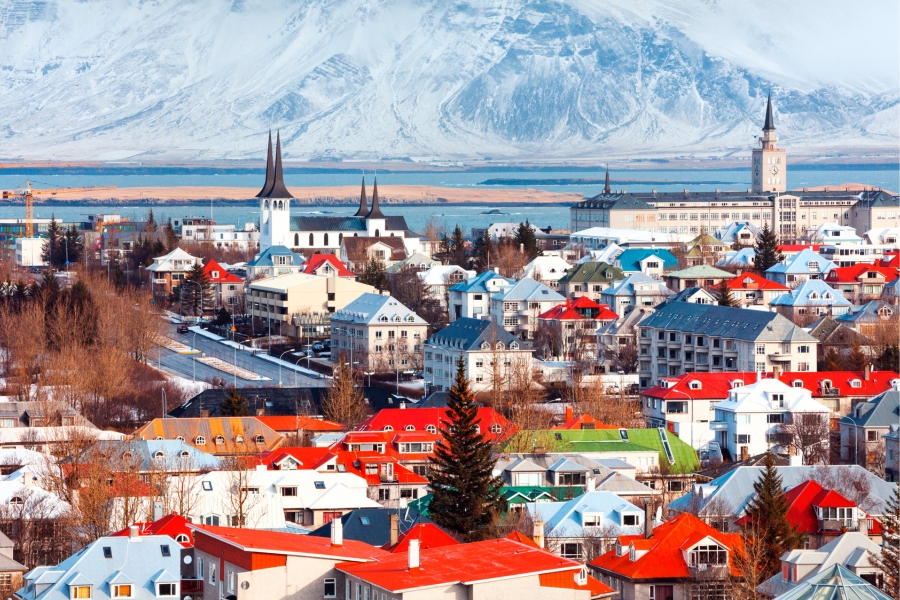
There’s a reason seasoned travellers rate winter as the best time to visit Iceland, not the worst. Yes, the days are shorter and the temperatures dip, but that’s precisely what unlocks the country’s most extraordinary experiences. The Northern Lights only dance across dark winter skies. Ice caves only form when the glaciers freeze solid enough to explore safely. The crowds that fill Reykjavík’s streets in July thin right out, leaving you with quieter trails, softer light, and a landscape transformed into something otherworldly.

Below, we’ve rounded up ten of Iceland’s finest winter highlights, and why each one is better between November and March than at any other time of year.

1. Whale Watching

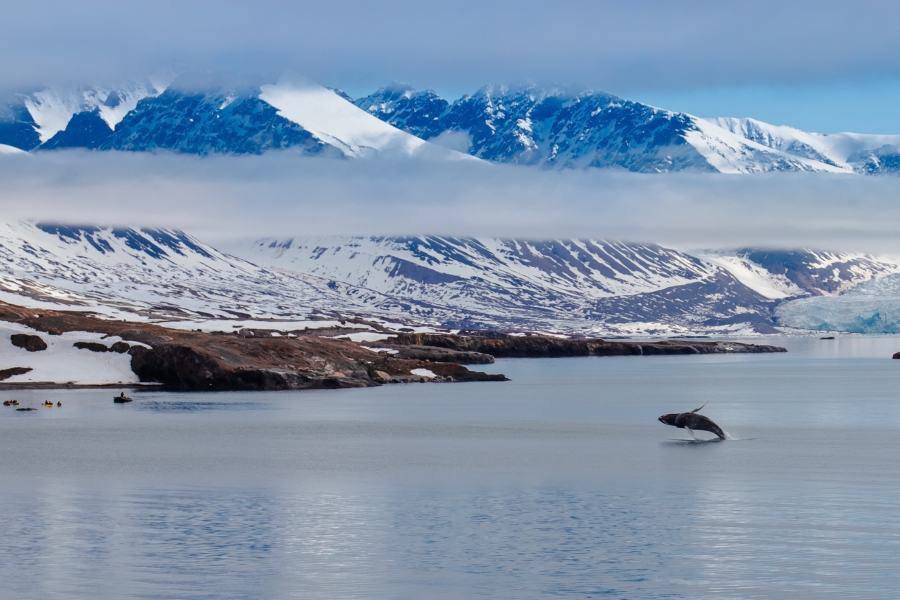
Winter whale watching off Iceland’s coast is often calmer and clearer than the busier summer season, with pods of orcas and humpbacks frequently spotted feeding closer to shore. Fewer boats on the water means a more peaceful, personal encounter.

2. The Blue Lagoon

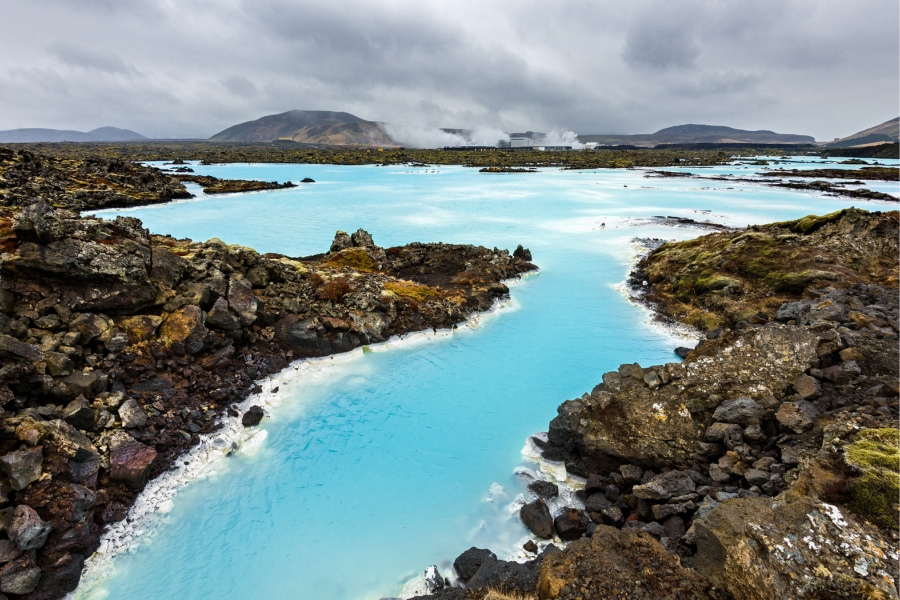
There’s nothing quite like soaking in the Blue Lagoon’s milky-blue geothermal waters while snow settles on the surrounding lava fields. The contrast of steaming warmth against freezing air is one of Iceland’s signature winter sensations, and on a clear night you might even catch the Northern Lights from the water.

3. Diamond Beach

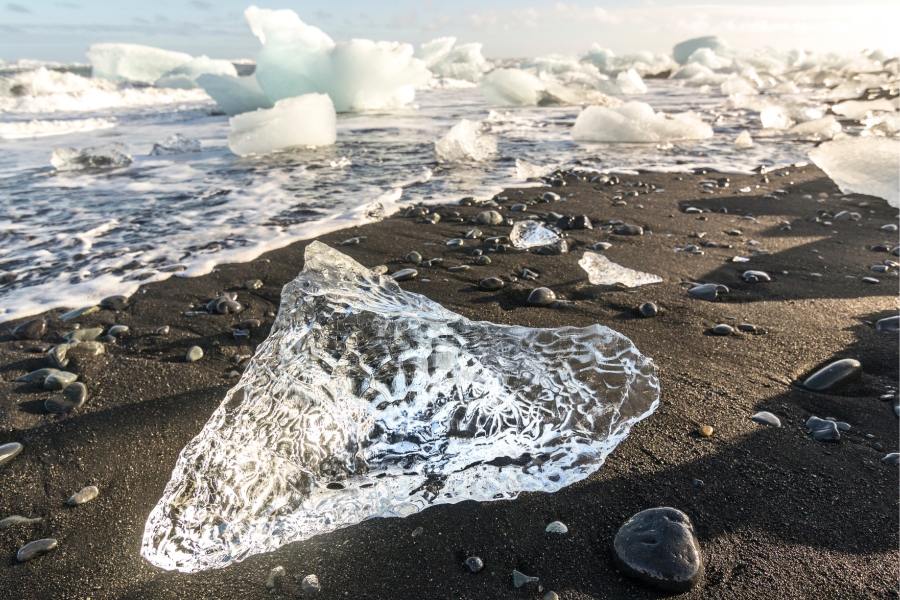
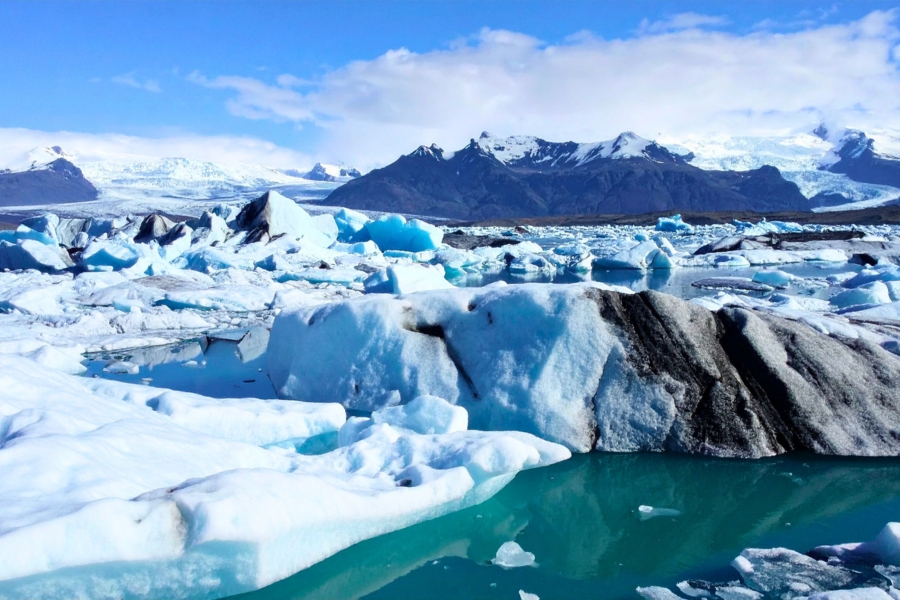
Named for the glittering icebergs that wash up on its black volcanic sand, Diamond Beach is at its most dramatic in winter, when low light catches every facet of the ice. It sits alongside the Jökulsárlón glacier lagoon, making the two an essential pairing on any winter itinerary.

4. Ice Caves

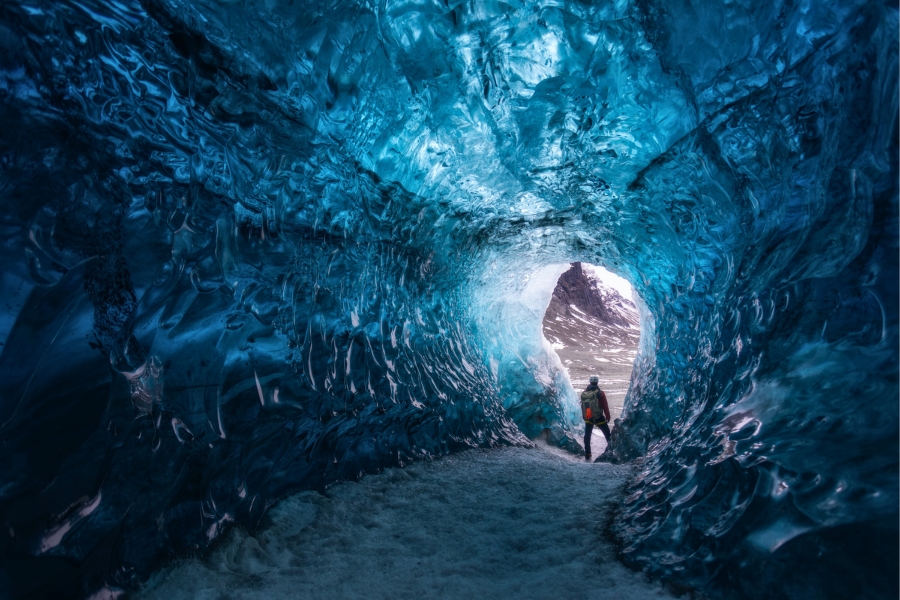
Iceland’s glittering blue ice caves only appear in the colder months, when the glaciers are stable enough to venture inside safely. Formed by meltwater carving through centuries-old ice, these natural caverns are one of the country’s most exclusively wintry wonders, gone entirely by summer.

5. The Northern Lights

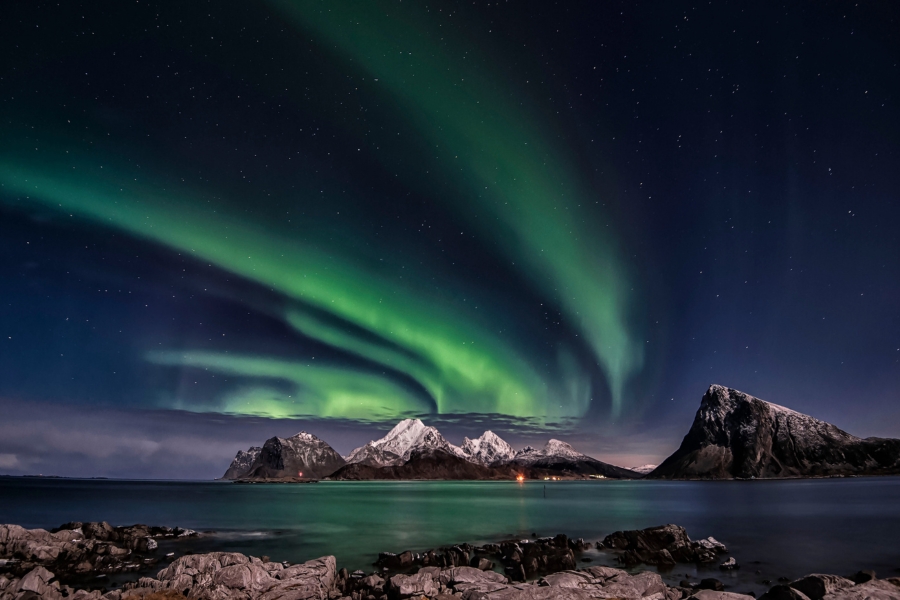
The Aurora Borealis is the headline act of an Icelandic winter. With long hours of darkness and minimal light pollution outside Reykjavík, winter offers by far the best odds of witnessing the lights ripple green and violet across the sky.

6. The Great Geysir

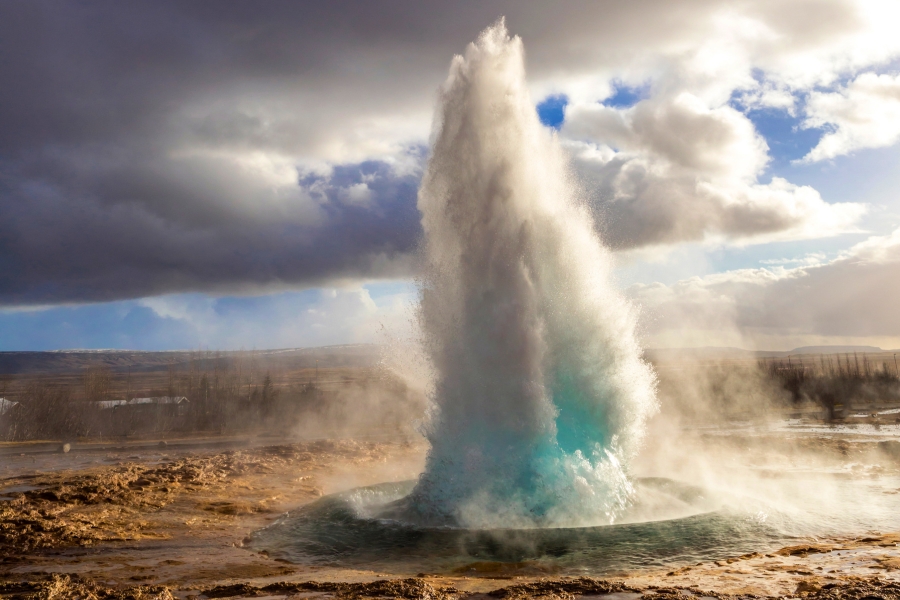
Watching the Great Geysir and its neighbour Strokkur erupt against a snow-dusted backdrop is a wonderfully atmospheric winter experience. The plumes of scalding water and steam feel even more striking against the crisp winter air.

7. Snorkelling at Silfra

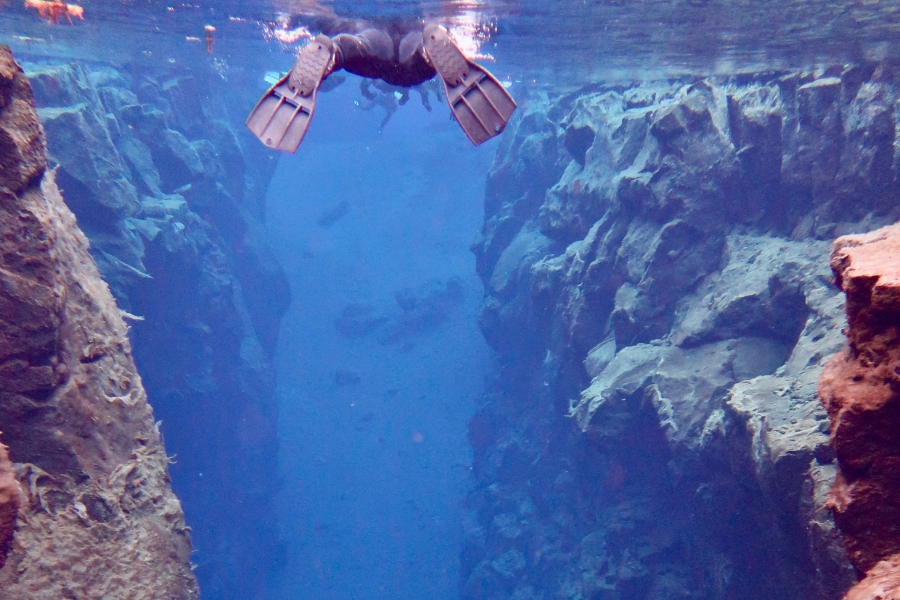
Silfra fissure, where the Eurasian and North American tectonic plates meet, offers some of the clearest water on Earth all year round, but winter brings a stark, otherworldly beauty to the surrounding ice and snow that summer simply can’t match.

8. Glacier and Lagoon Exploration

Winter is prime time for glacier walks and lagoon visits, when the ice is at its most solid and photogenic. Guided tours across Iceland’s glaciers reveal deep blue crevasses and frozen formations rarely seen at other times of year.

9. Waterfalls

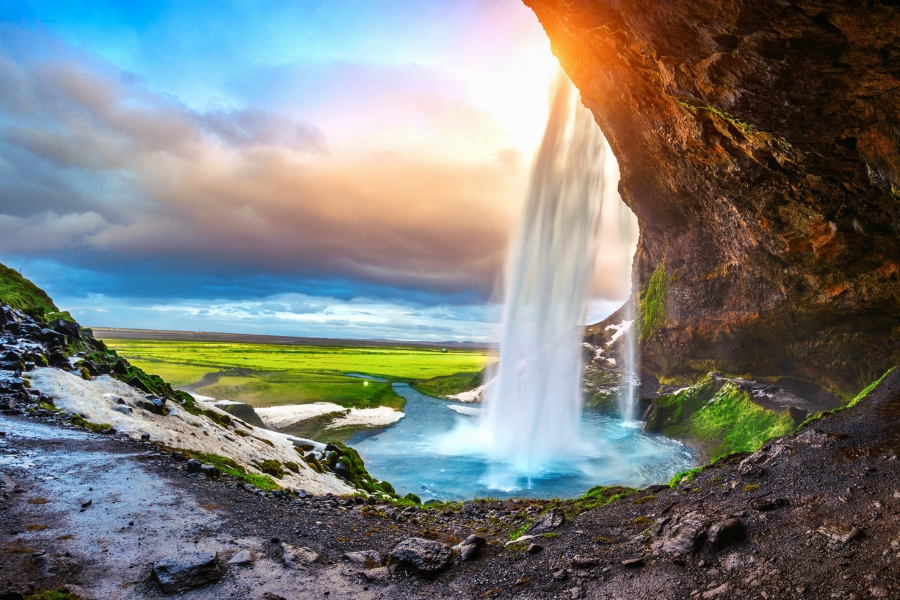
Iceland’s famous waterfalls, from Gullfoss to Skógafoss, take on a magical, half-frozen quality in winter, with ice formations framing the cascades and far fewer visitors around to share the view.

10. Reykjavík

Iceland’s capital comes alive in winter with cosy cafés, geothermal pools, and long, atmospheric evenings perfect for exploring its restaurants, bars, and Northern Lights tours right on the doorstep.

Ready to Experience Winter Iceland for Yourself?

If this has whetted your appetite, we’d love to show you Iceland at its most magical. Our brand-new Mini Winter Iceland Experience brings together many of these very highlights in one beautifully paced small-group trip, expertly guided from start to finish.

Spaces are limited, so get in touch with the Untravelled Paths team today to secure your place and discover Iceland’s winter wonders for yourself.

Written by James Chisnall

The post 10 Unmissable Winter Highlights in Iceland (And Why Winter Is the Best Time to Go) appeared first on Untravelled Paths.


from Untravelled Paths https://blog.untravelledpaths.com/blog/10-unmissable-winter-highlights-in-iceland/

Friday, July 10, 2026

6 Untravelled Paths Country Combinations

Some of the best trips we run aren’t built around a single country at all – they’re built around the join. The ferry crossing that swaps one culture for another overnight. The mountain pass that takes you from one language to the next on foot. The short hop across a border that, for most travellers, simply isn’t on the map.

Off the beaten track doesn’t have to mean picking just one place. Some of our favourite Experiences exist precisely because two countries, side by side, tell a better story together than either does alone. Here are six of our go-to combinations, how we get you between them, and why we think they work so well.

Slovenia + Italy

by car or train

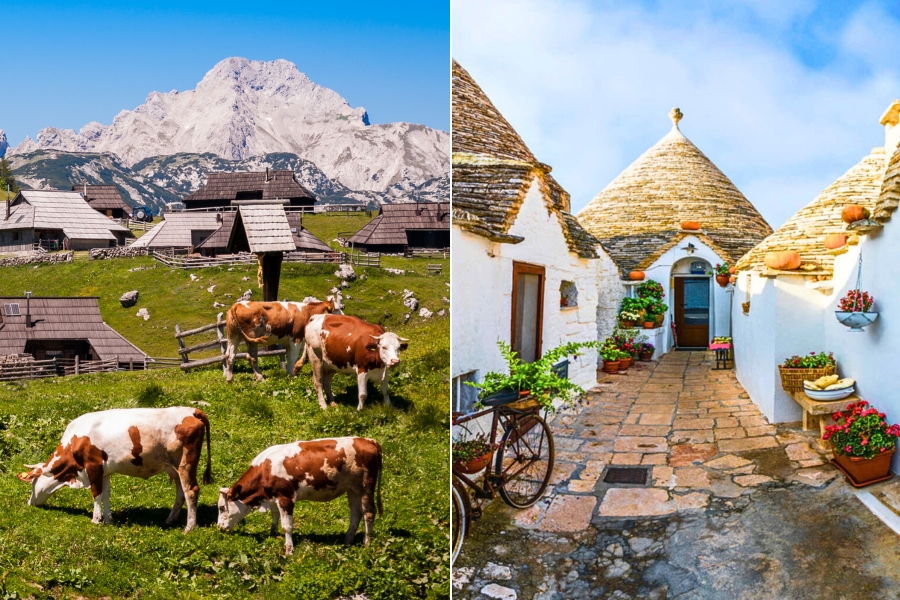
Slovenia is compact, polished and endlessly scenic – Lake Bled, the Julian Alps, the wine country of the Vipava Valley – all within a country you can comfortably cross in a day. Drive west, though, and within an hour or two you’re in Italy: the Friuli wine region, the faded grandeur of Trieste, or further on, the Dolomites themselves.

The two countries share a border, a fair amount of history, and a food culture that shifts gradually rather than abruptly, so the drive between them never feels jarring. It’s an easy, self-drive-friendly combination that pairs Slovenia’s alpine lakes and rivers with Italy’s cities and cuisine, without ever feeling like you’re doing two separate holidays stitched together.

Albania + Montenegro

by car, or on foot through the Accursed Mountains

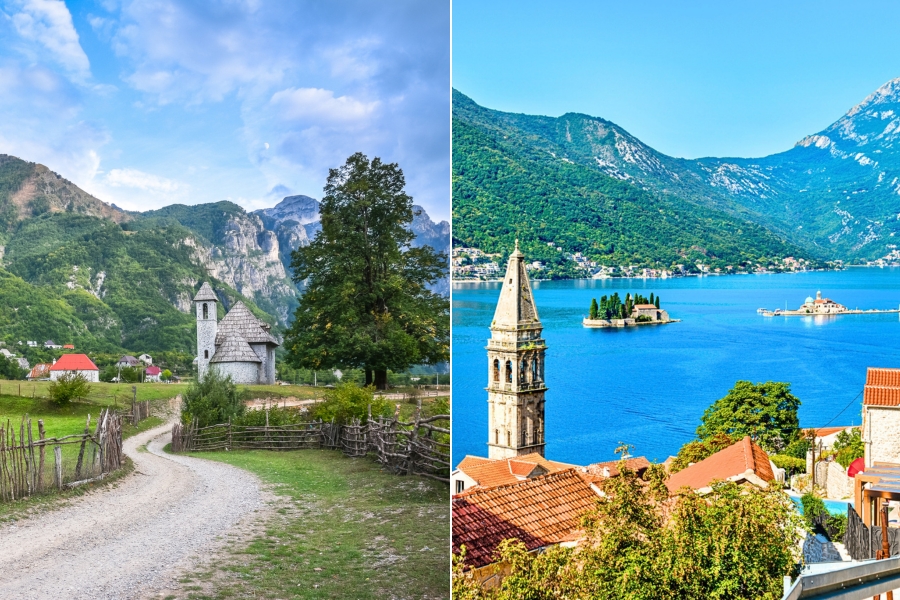
This is the combination for people who want their trip to feel like an adventure story. Albania‘s rugged, still-quiet north and Montenegro‘s dramatic Bay of Kotor sit right next to each other, and you can cross between them however you like: a scenic drive along the coast, or – for the more adventurous – on foot, trekking over the border through the Accursed Mountains themselves.

That mountain crossing is one of our favourite border stories anywhere in the Balkans: remote valleys, shepherd huts, and a walk that takes you from one country into another with nothing but a mountain pass and your own legs. Combine that with Montenegro’s fjord-like bay and Albania’s Ottoman towns and untouched beaches, and you’ve got a trip that rewards genuinely curious travellers.

Montenegro + Bosnia & Herzegovina

by car

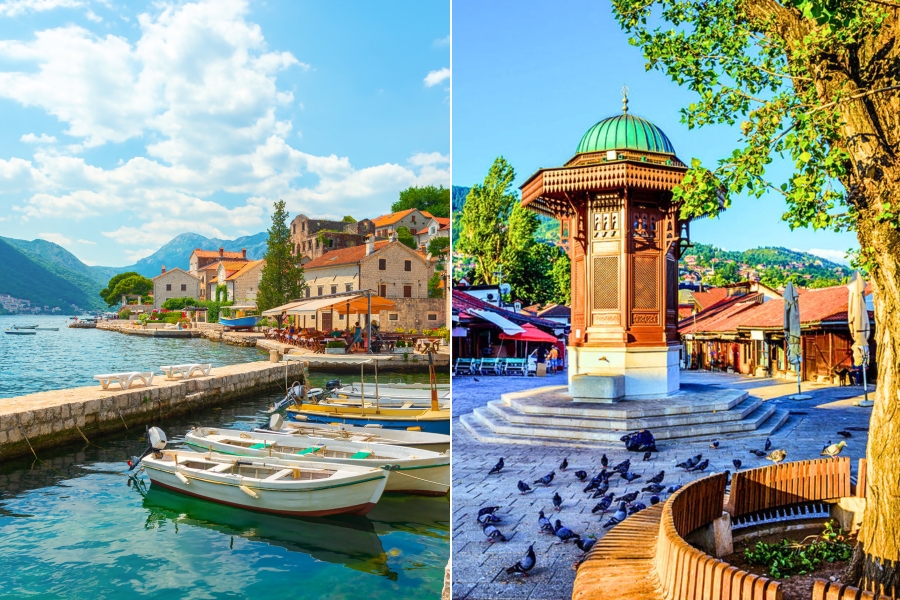
A short drive inland from Montenegro‘s coast and you’re in an entirely different Bosnia: the Ottoman bazaars of Sarajevo, the iconic Stari Most bridge in Mostar, and the turquoise waterfalls of Kravice. It’s one of the easiest border crossings we run, and one of the most rewarding, because the contrast between the two countries is so vivid.

Montenegro gives you the coast, the mountains and the drama of the Bay of Kotor. Bosnia gives you history, culture and a city where mosques, churches and synagogues sit side by side telling the story of a place that’s seen a great deal and rebuilt itself with real grace. Together, it’s coastal beauty and cultural depth in a single, easy loop.

Romania + Moldova

by car or train

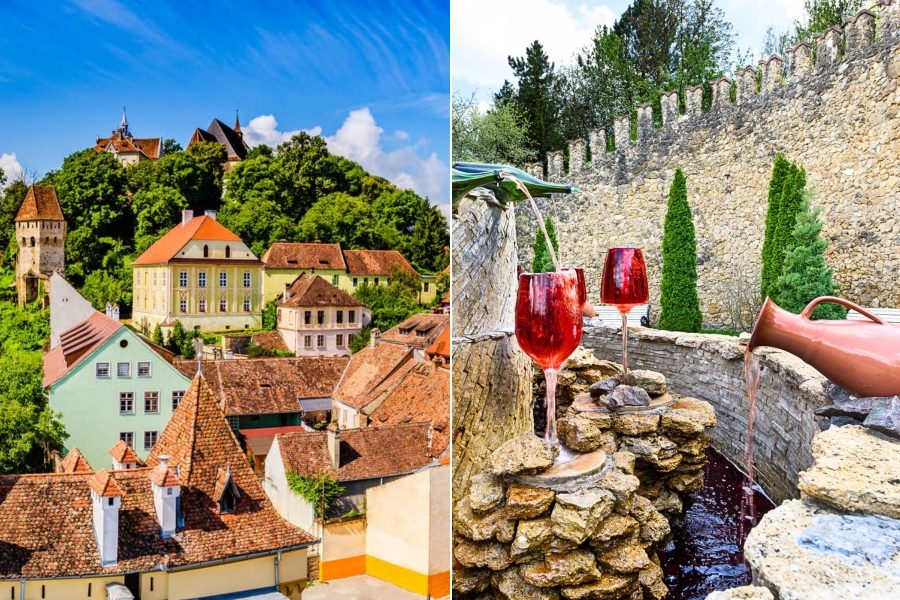
Romania alone has more than enough to fill a trip – Transylvania’s castles, the Carpathian Mountains, Bucharest’s grand boulevards – but push on to Moldova and you’ll find one of Europe’s genuinely least-visited corners. Chișinău has a low-key, unhurried charm all its own, and the wine country around Cricova (yes, including underground cellars you can drive through) is unlike anything else on the continent.

We run this one by car or train, and either way it’s a proper journey rather than a border you barely notice – a reminder of just how much variety sits within a few hours of Bucharest, if you’re willing to keep going a little further than most people do.

Spain + Morocco

by boat

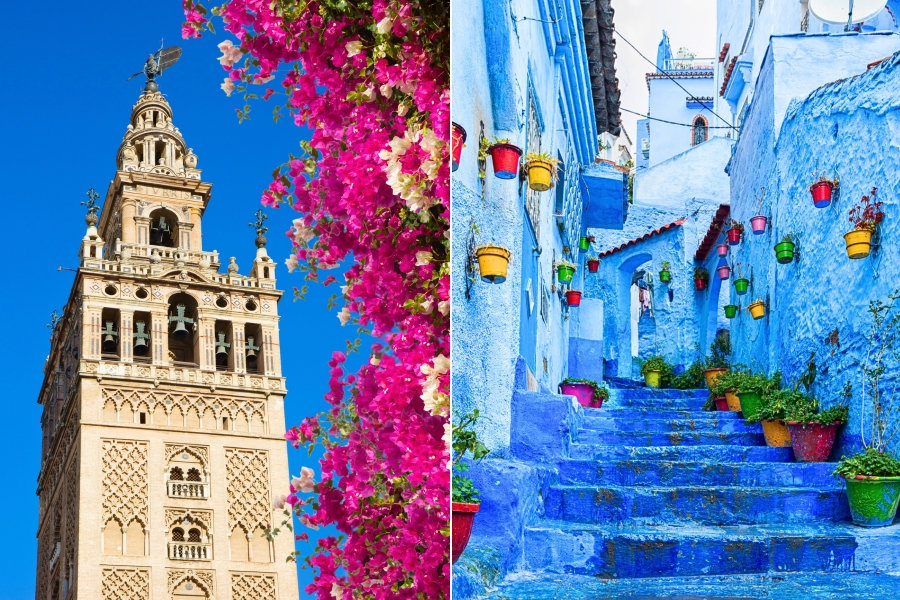
Few combinations change the scenery, the language and the entire atmosphere of a trip as quickly as this one. A short ferry crossing from southern Spain and you’re in an entirely different continent: Marrakech’s souks, the chaos and colour of Djemaa el-Fnaa, and the winding road up into the Atlas Mountains towards the Sahara.

It’s the combination that proves how much can change in the space of a single boat crossing – flamenco and tapas on one side, mint tea and market stalls on the other – and it’s precisely that contrast which makes it one of our most requested Experiences.

Montenegro + Italy

by boat from Bar or Dubrovnik

Montenegro is a small country, easily explored in a week, which makes it the perfect springboard for something else. Take the overnight ferry from Bar (or nearby Dubrovnik) across the Adriatic, and you’ll wake up in Italy, ready for the Amalfi Coast, Puglia’s sun-baked towns, or Rome itself.

It’s a wonderfully simple way to double a holiday: dramatic Adriatic scenery and rugged mountains on one side of the sea, La Dolce Vita on the other, with a night on the water in between to make the whole thing feel like a proper adventure rather than a connecting flight.

Why stop at one country?

Every one of these combinations exists because the join is as good as the destinations either side of it – the ferry deck at sunrise, the mountain pass on foot, the moment the language and the menu both change at once. That’s the sort of detail that turns a good trip into a story worth retelling.

If any of these have caught your eye, or you’ve got a combination of your own in mind that you haven’t seen anyone else offer, get in touch. We specialise in exactly this kind of joined-up, off the beaten track adventure – so tell us where you’d like to go, and we’ll help you work out how to get there.

Written by James Chisnall

The post 6 Untravelled Paths Country Combinations appeared first on Untravelled Paths.


from Untravelled Paths https://blog.untravelledpaths.com/blog/6-untravelled-paths-country-combinations/

Thursday, July 9, 2026

9 Extraordinary Events for Your Travel Bucket List:

Some places are worth visiting for their scenery. Others are worth visiting for a single day, or even a single hour, when a whole culture pours itself into the street, the stadium or the sea. These are the events that turn a good trip into a story you’ll still be telling twenty years from now.

We’ve put together a list of ten of the most extraordinary cultural and sporting events on the planet; some ancient, some barely a century old, all utterly unmissable. We’ve been fortunate enough to tick off a fair few of these ourselves, and we’ve got strong opinions about the rest.

But this isn’t really about our list. It’s about yours. Read on, keep count as you go, and let us know at the end: how many have you visited, and how many are still on the bucket list?

1. Day of the Dead, Mexico

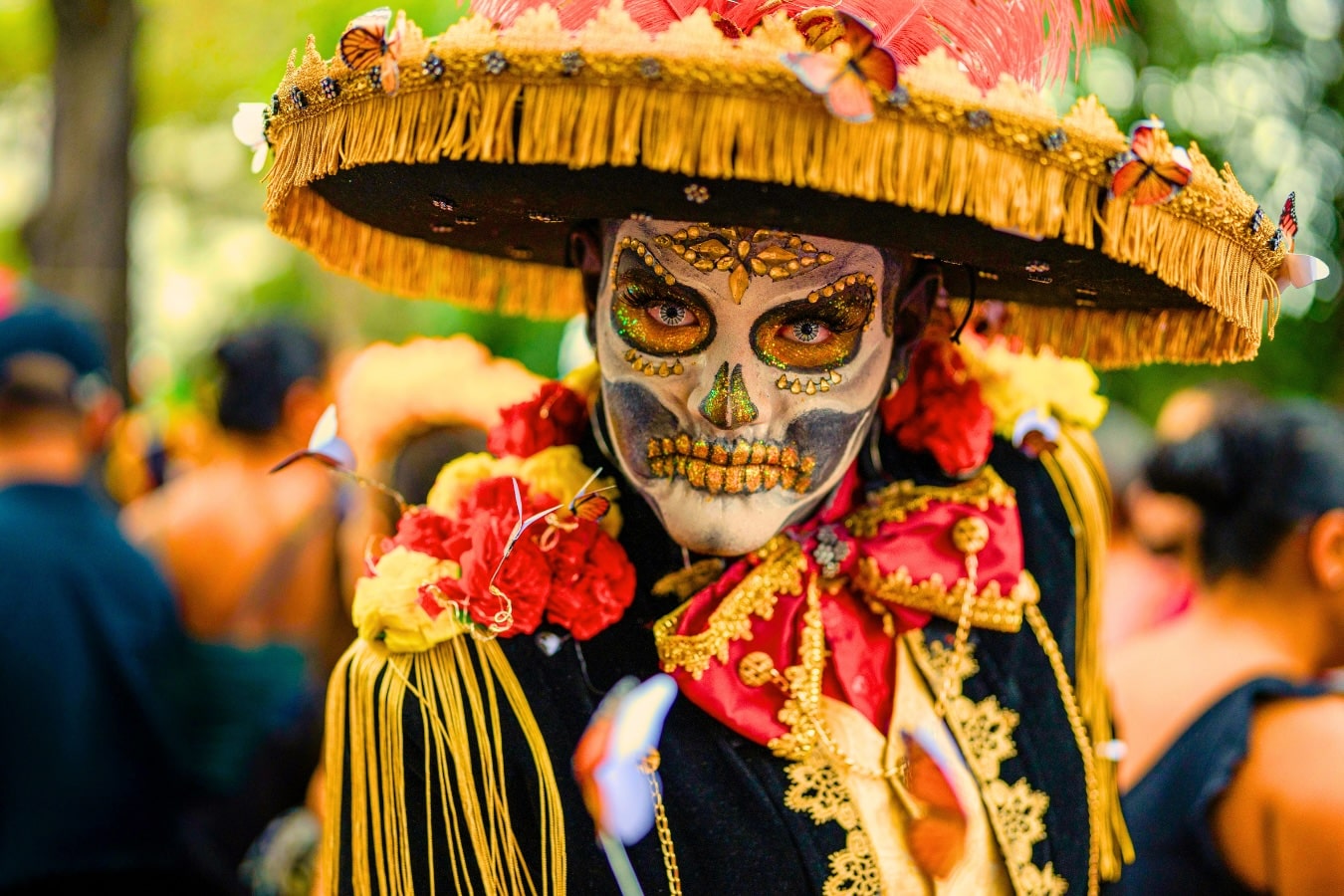
Held on 1st and 2nd November, Día de los Muertos is one of the most misunderstood celebrations in the world to outsiders, and one of the most moving once you understand it properly. Far from being a morbid affair, it’s a joyful, technicolour celebration of lives once lived where families build ofrendas (altars) laden with marigolds, candles, sugar skulls and the favourite foods of those who’ve passed, inviting their spirits home for one night of the year. It’s recognised by UNESCO as part of the Intangible Cultural Heritage of Humanity, a nod to just how deeply rooted the tradition is.

The origins stretch back to Aztec and other Mesoamerican traditions, later blended with the Catholic observances of All Saints’ and All Souls’ Day brought by Spanish colonisers. Oaxaca and Mexico City put on the most elaborate displays, with cemeteries lit by candlelight and streets filled with painted skulls (calaveras), marigold petals and parades that feel more like carnivals than commemorations.

We may be looking at hosting this event next year alongside the wonder of the world Chichen Itza, keep your eyes pealed!

Best for: Anyone curious about a culture’s relationship with mortality, and travellers who like their history served with genuine colour and warmth.


2. Naadam Festival, Mongolia

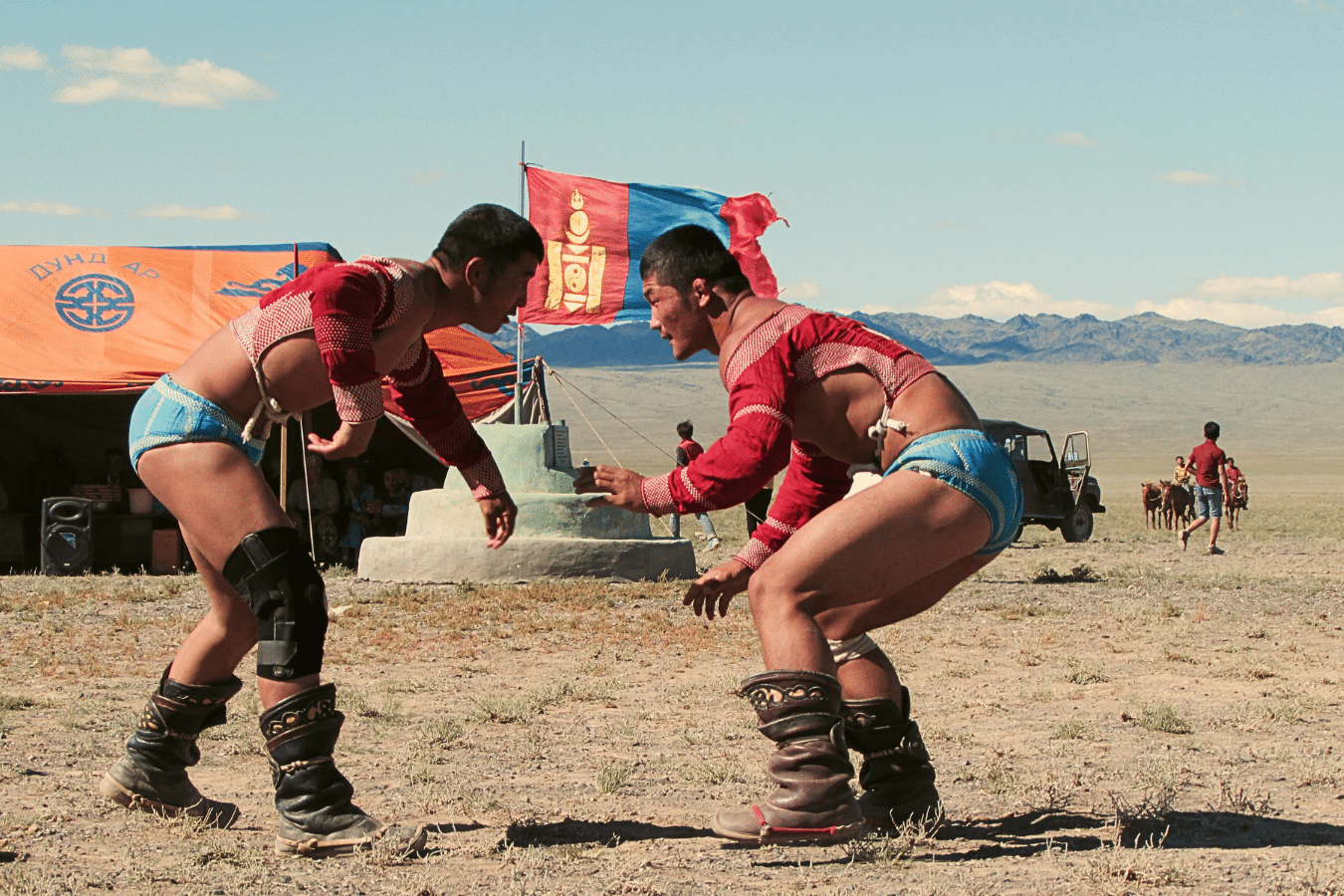
Every July, from the 11th to the 13th, Mongolia turns its attention to the “Three Manly Games”; wrestling, horse racing and archery, in a festival with roots stretching back to the 13th century and the reign of Genghis Khan, and now inscribed by UNESCO as an Intangible Cultural Heritage tradition in its own right. These weren’t simply sports; they were the training grounds that kept Mongol warriors battle-ready between campaigns, and something of that spirit survives in the ferocity of the competitions today.

Ulaanbaatar hosts the largest celebration, complete with an opening ceremony of extraordinary pageantry, but it’s worth seeking out a rural Naadam if you can; smaller, rawer, and a genuine window into nomadic life on the steppe. Women compete in the archery and horse racing (children as young as five ride in the latter), while wrestling remains a men-only affair, fought in eagle-inspired costumes to the sound of traditional chanting.

Best for: Anyone who wants to see a warrior culture very much alive, rather than confined to a museum.


3. Basking Shark Migration & The Highland Games, Scotland

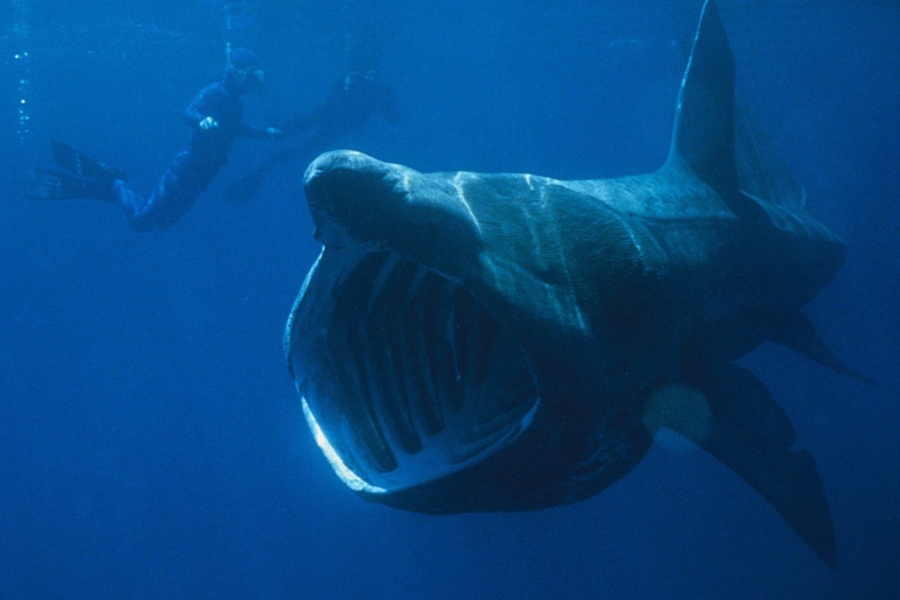
Two very different spectacles, both worth building a Scottish summer around. From around June to September, the waters of the Sea of the Hebrides, particularly around the islands of Mull, Coll and Tiree, fill with basking sharks: the second-largest fish in the world, gentle plankton feeders that can grow beyond ten metres and glide along the surface with a fin that looks alarmingly like something out of a different film altogether.

Meanwhile, inland, the Highland Games carry on a tradition that’s said to date back to King Malcolm III, who once summoned the fastest runners in Scotland to compete for the role of royal messenger. What survives today; caber tossing, hammer throwing, tug o’war, and pipe bands in full regalia and is largely a 19th-century revival, given a considerable boost by Queen Victoria’s enthusiasm for all things Highland.

Best for: Wildlife lovers and lovers of a good, honest tug o’war in equal measure.


4. ANZAC Day, Gallipoli, Turkey

Every 25th April, thousands gather at Anzac Cove on Turkey’s Gallipoli Peninsula for a dawn service that commemorates the 1915 landing of Australian and New Zealand troops during the First World War. Of the 16,000 men who came ashore on that first day, more than 2,000 were killed or wounded by the following morning and the beginning of a gruelling, months-long campaign that shaped national identity on both sides of the world.

The dawn service is followed later in the day by an Australian ceremony at Lone Pine, named for the solitary tree that once stood on the battlefield, and a New Zealand service at Chunuk Bair. Standing on that quiet peninsula as the sun rises, surrounded by cemeteries and memorials, is a genuinely humbling experience and one that draws visitors back to Gallipoli year after year. Following the service, being able to visit the British memorials as well to pay respect to the troops that lost their life fighting for their country.

Best for: History lovers, and anyone wanting to understand how a single campaign can forge a nation’s sense of self.


5. San Fermín, Pamplona, Spain

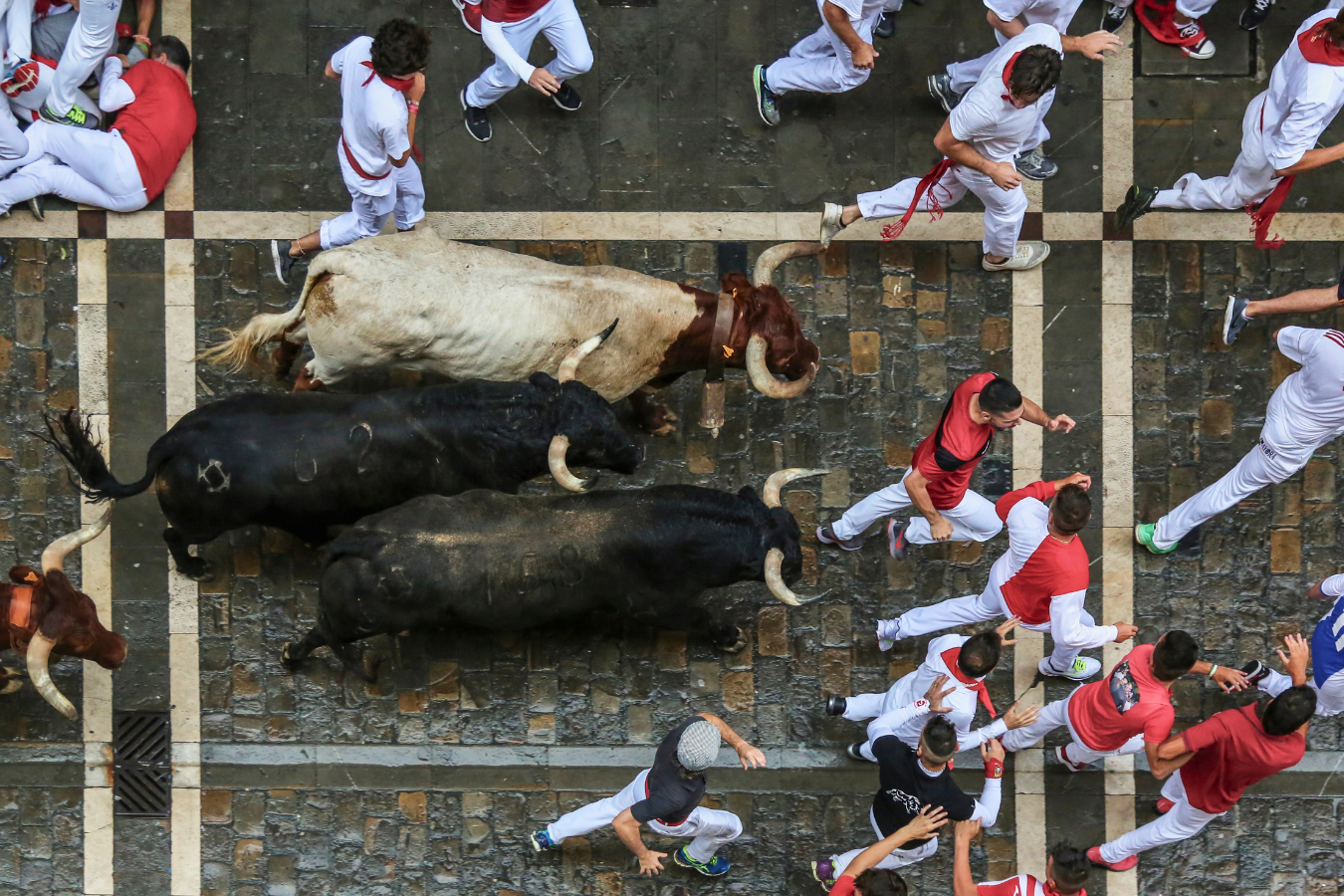
Held from 6th to 14th July, San Fermín is best known worldwide for the encierro, the running of the bulls through Pamplona’s narrow streets each morning, a spectacle immortalised by Ernest Hemingway and now watched by crowds from balconies and barricades across the old town. But the bull run is only a small part of a nine-day festival that also includes fireworks, giant processional figures, brass bands and rather a lot of sangria.

The opening ceremony, the Chupinazo, sees the entire town crammed into the Plaza Consistorial in a sea of red and white, waiting for the rocket that signals the festival has officially begun. Whether or not you fancy outrunning a bull yourself (we’d suggest not), the atmosphere alone makes Pamplona worth the trip.

Best for: Adrenaline seekers, and anyone who enjoys a festival that doesn’t do things by halves.


6. Midsummer, Sweden

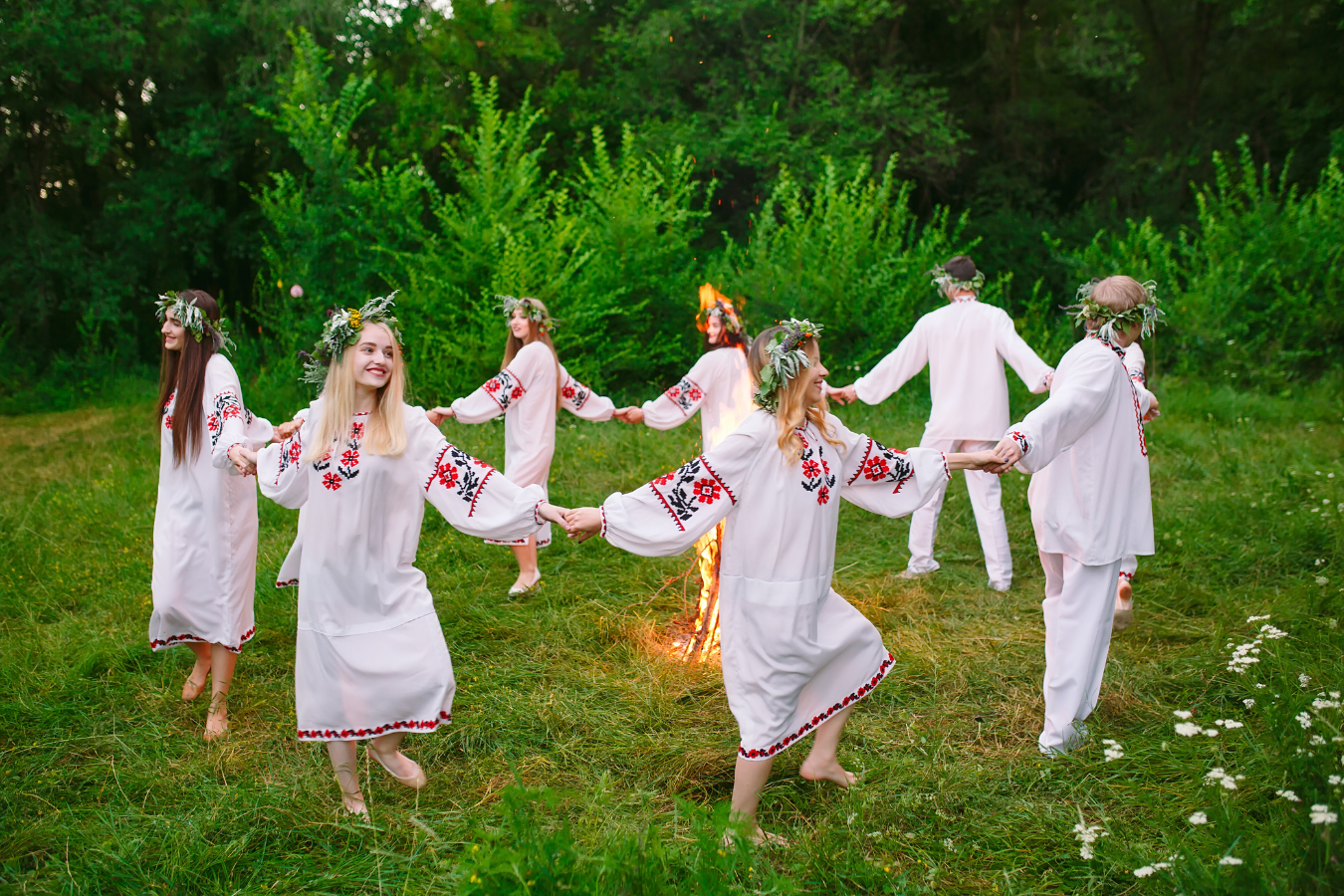
Midsommar falls on the Friday between 19th and 25th June each year, marking the longest day of the year with a celebration that predates Christianity by a considerable margin. Communities gather to raise a flower-bedecked maypole (majstång), dance around it to traditional songs, and weave crowns of wildflowers to wear for the rest of the evening.

Out in the archipelagos and countryside, where much of Sweden decamps for the occasion, the tables groan with pickled herring, new potatoes, soured cream and rather a lot of schnapps, all enjoyed under a sky that barely darkens at all. It’s a wonderfully unpretentious celebration, no elaborate costumes or ancient rites, just good company, simple food, and a genuine appreciation for a fleeting Nordic summer.

Best for: Anyone who wants to understand why Swedes take their summer so seriously.


7. Tour de France, France

Every July since 1903, the world’s greatest cycling race has wound its way across France (with the occasional foray into neighbouring countries) over three punishing weeks and roughly 3,500 kilometres. Full route details and stage-by-stage coverage are published each year on the official Tour de France site. The mountain stages through the Alps and Pyrenees are where the race is usually won or lost, riders grinding up switchback after switchback while roadside crowds press in from either side, but it’s the final procession down the Champs-Élysées in Paris that provides the great theatre.

You don’t need a ticket, a grandstand seat or even much cycling knowledge to enjoy it properly, just find a spot on a mountain stage, bring a picnic, and wait for the peloton to sweep past in a blur of colour, noise and unmistakable effort. The rider in the yellow jersey (maillot jaune) leads the overall standings, and the fight to wear it into Paris is one of sport’s great slow-building dramas.

Best for: Sports fans and anyone who fancies combining a proper Alpine holiday with a world-class spectator event.


8. The Great Migration, Kenya & Tanzania

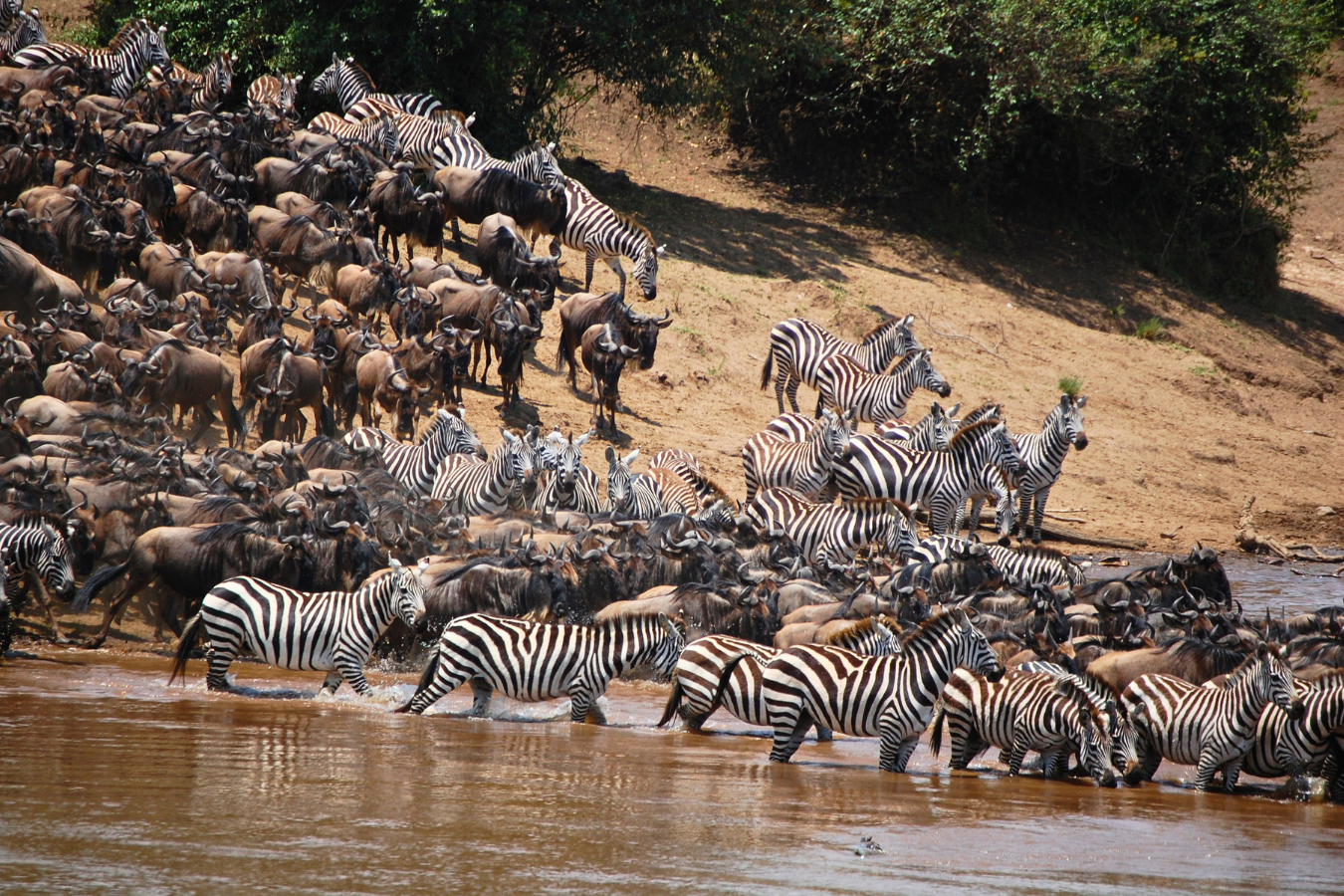
Around two million wildebeest, along with several hundred thousand zebra, move in a continuous, roughly circular pattern between the Serengeti in Tanzania and the Masai Mara in Kenya, chasing the rains and fresh grazing across the plains. It’s less a single event than a year-round cycle, but the most dramatic chapter; the Mara River crossings, typically plays out from late July into September, as the herds fight their way through crocodile-filled water on the way north.

Nobody can predict the exact day a crossing will happen; the animals themselves don’t seem to know until the last moment, and that unpredictability is part of what makes witnessing one so thrilling. Whenever you go, and wherever in the cycle you catch it, the sheer scale of the migration, the noise, the dust, the sense of a landscape genuinely on the move, is unlike anything else on earth.

Best for: Wildlife enthusiasts prepared to be patient, and rewarded handsomely for it.


9. Carnival, Brazil

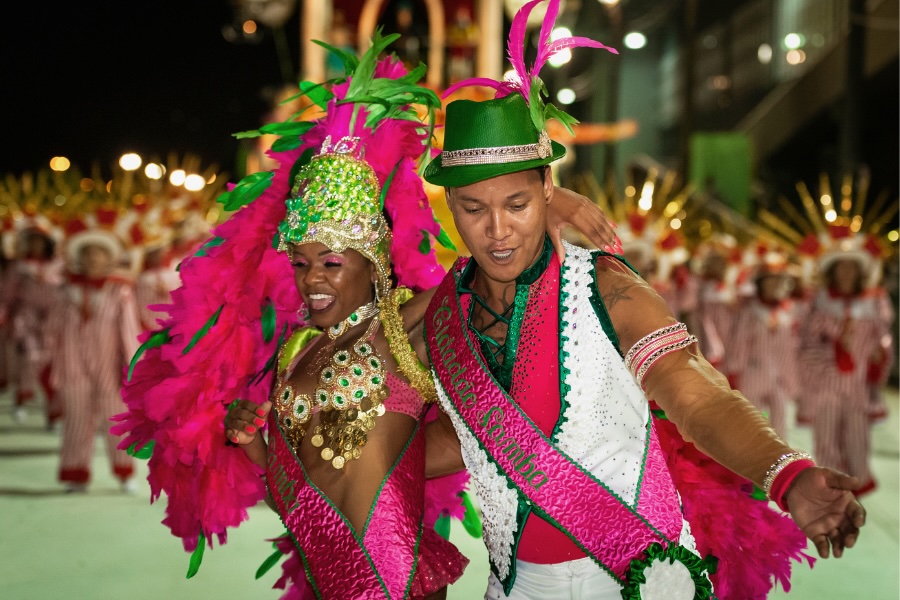
Held in the run-up to Lent each February or March, Rio’s Carnival is the largest and most famous of its kind anywhere in the world. The centrepiece is the Sambadrome parade, where the city’s top samba schools compete in a riot of sequins, feathers and percussion that’s rehearsed for the entire year beforehand, but the real party happens on the streets, at the blocos; free, informal gatherings that draw millions of revellers across the city.

Carnival’s roots stretch back to Portuguese colonial entrudo celebrations, later fused with African rhythms and traditions brought by enslaved communities, evolving over centuries into the spectacle it is today. Whether you watch from a grandstand seat in the Sambadrome or simply follow a bloco through the streets of Santa Teresa, Carnival is Brazil at its most unguarded and exuberant.

Best for: Anyone who wants their trip accompanied by a permanent soundtrack of drums.


We’d love to know your answer and if you’ve visited any of them, tell us about it in the comments below. And if this list has given you the curioisity to attend one, please reach out, we can’t promise wonders but we’ll do our best and you can expect something special in 2027, watch this space!

Explore the world differently with Untravelled Paths. Small groups, big experiences and places you won’t find in the brochures.

Written by Jackson Cornish

The post 9 Extraordinary Events for Your Travel Bucket List: appeared first on Untravelled Paths.


from Untravelled Paths https://blog.untravelledpaths.com/blog/9-extraordinary-events-for-your-travel-bucket-list/