We’ve been running small group trips to lesser-known corners of the world for nearly two decades. In that time, we’ve learnt something important: the experiences that stay with people aren’t always the obvious ones. They’re rarely the famous landmarks at midday in August. They’re the morning you woke early and had something magnificent entirely to yourself. The meal that went on for hours. The moment the landscape did something you simply hadn’t expected.
This list is our attempt to distil eighteen years of travel into thirty of the most extraordinary things we think a person can do. We’ve organised them into three categories: Great Outdoors, Local Flavour, Into the Wild and Once in a Lifetime – though in truth, the best experiences tend to be all three at once.
Every single one is bookable. Every single one is guaranteed to run. And every single one is waiting for you to stop putting it off.
🌿 Great Outdoors: where the world takes your breath away
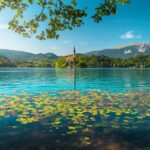
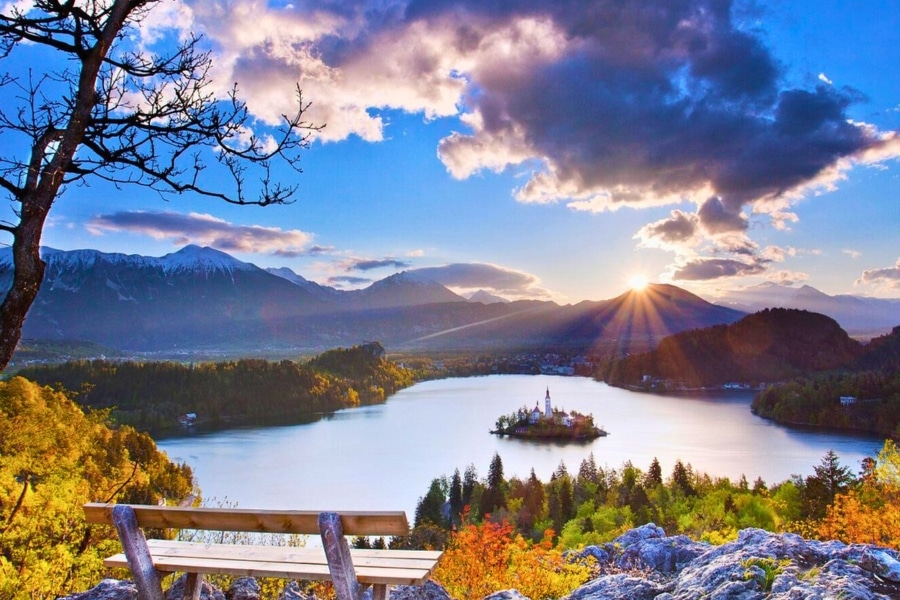
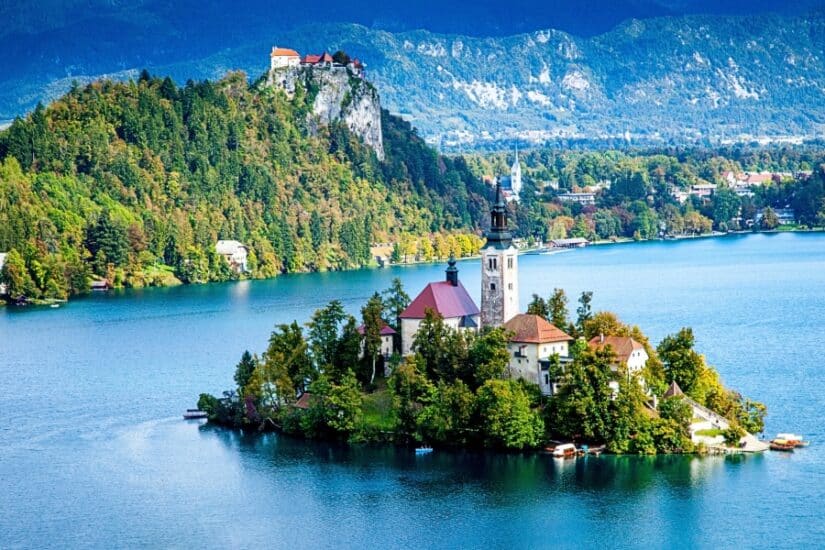
1. Wild swimming in Lake Bled before the tour groups arrive, Slovenia
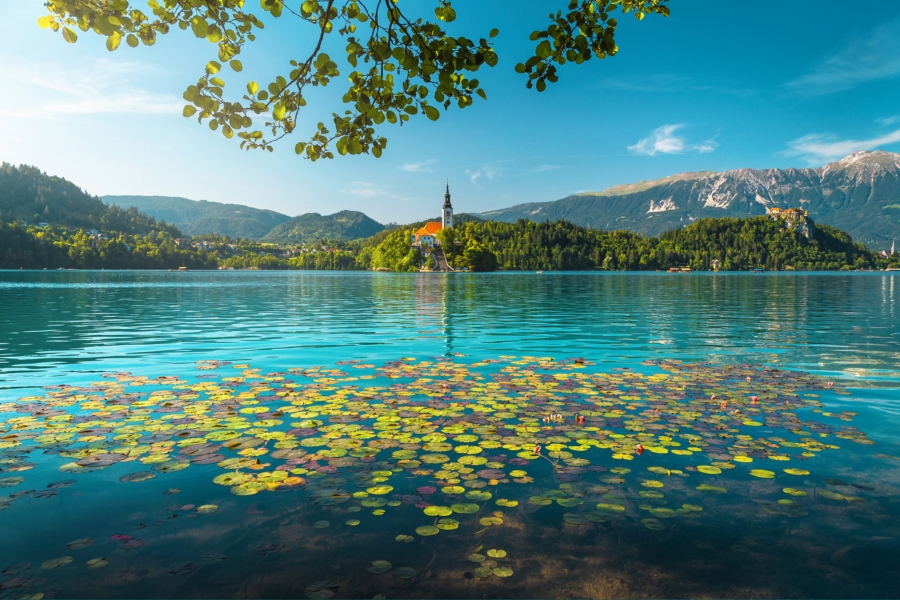
Yes, the photographs are everywhere. But they don’t capture what it feels like to be in the water, looking up at the island church, the castle-topped crag and the Julian Alps framing it all, in the silence of a summer morning before 8am. Slovenia rewards the early riser in ways most destinations simply cannot match and our itinerary is built around being in exactly the right place at exactly the right time.
Explore our Slovenia experiences →
2. Zip-lining over the dramatic depths of Tara Canyon, Montenegro
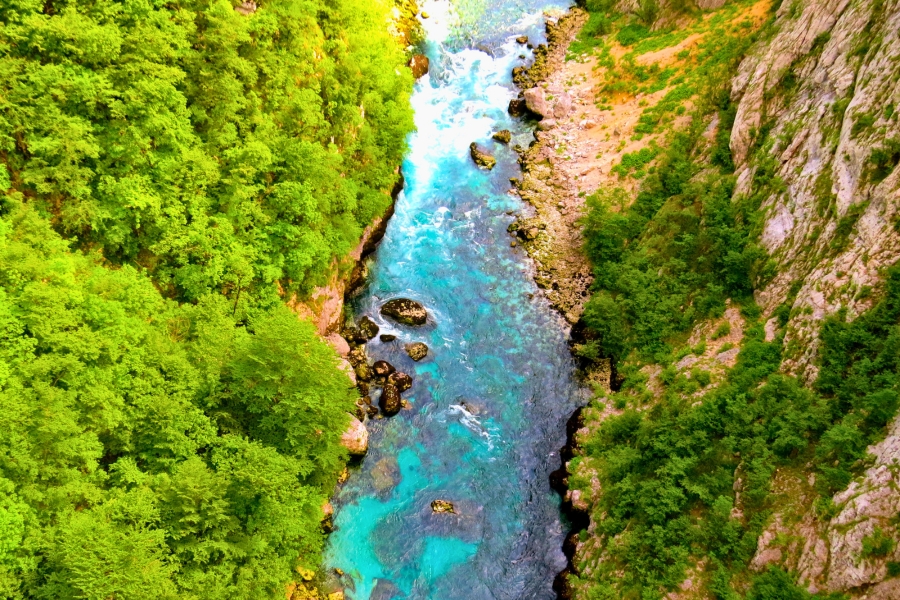
Tara Canyon is the deepest river gorge in Europe, over 1,300 metres from rim to river in places, and crossing it by zip line is one of those experiences that makes you briefly forget everything else. The view is extraordinary; the rush is real. It’s the kind of activity that makes group travel genuinely bond people, and it sits perfectly within our Montenegro itinerary.
Explore our Montenegro experiences →
3. Walking the ancient walls of Kotor Old Town at golden hour, Montenegro
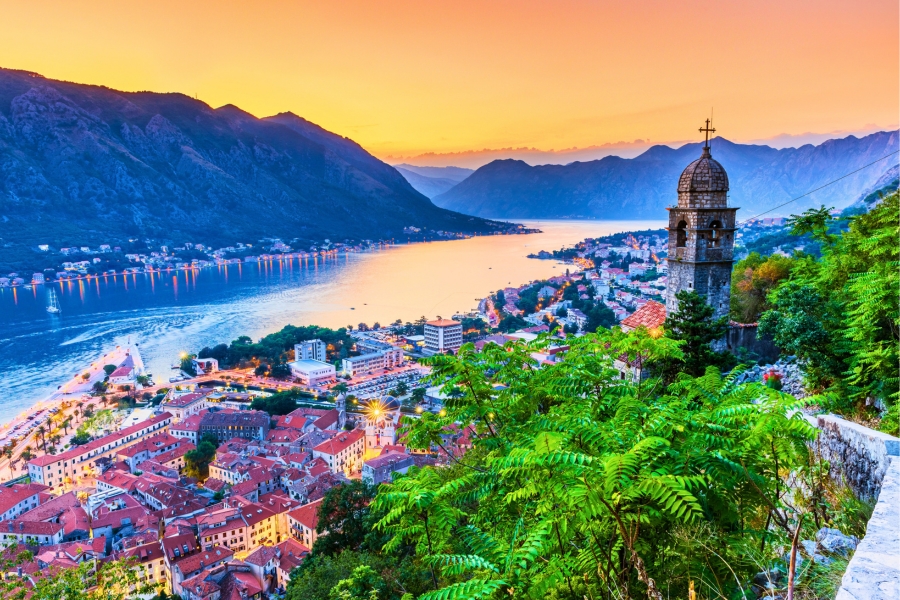
The fortification walls above Kotor climb almost vertically from the medieval old town to a hilltop fortress, with the Bay of Kotor spreading out below you as you rise. At golden hour, when the bay catches the last of the afternoon light and the mountains turn deep green, it’s one of the most beautiful views in Europe. And it costs nothing but the climb.
Explore our Montenegro experiences →
4. Gliding through the Albanian Alps on the spectacular Koman Ferry, Albania
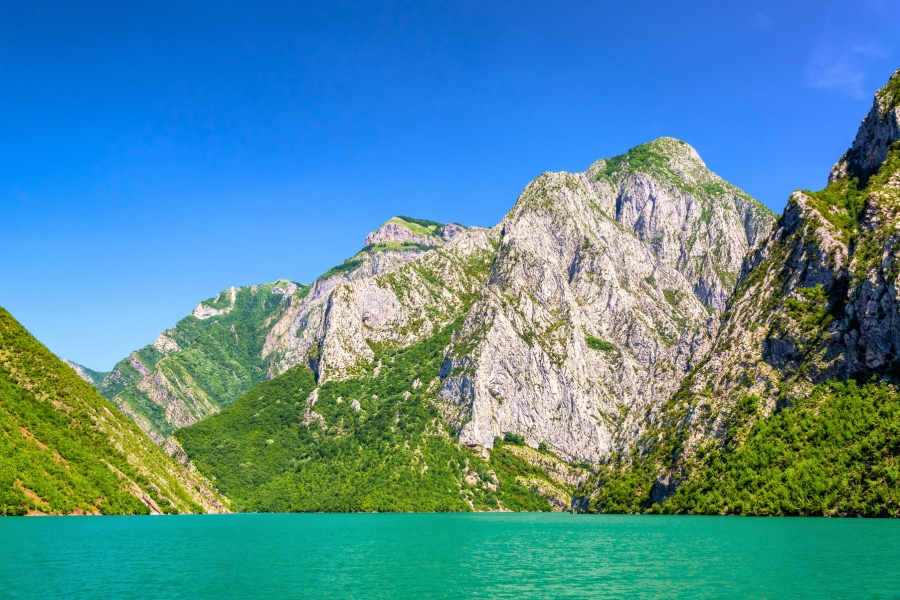
The Koman Ferry crosses a vast reservoir carved between mountains so steep and so close together that the water below barely sees the sun. It’s one of the most jaw-dropping ferry journeys in Europe, largely unknown, completely unhyped, and a perfect metaphor for why Albania deserves to be on your radar before the rest of the world catches up.
Explore our Albania experiences →
5. Trekking across the border from Albania into Montenegro through the Accursed Mountains, Albania & Montenegro
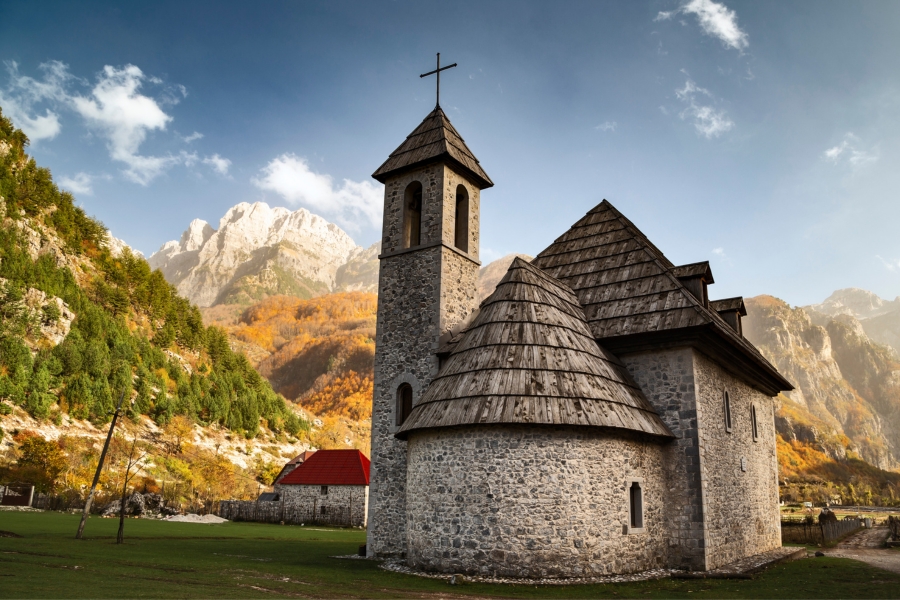
The Prokletije range, known locally as the Accursed Mountains, straddles the border between Albania and Montenegro in one of the most remote and spectacular landscapes in the Balkans. Our crossing combines boat travel and on-foot trekking through terrain that genuinely feels like the end of the world. It’s adventure travel at its most elemental, and the sense of achievement at the other side is enormous.
Explore our Albania experiences →
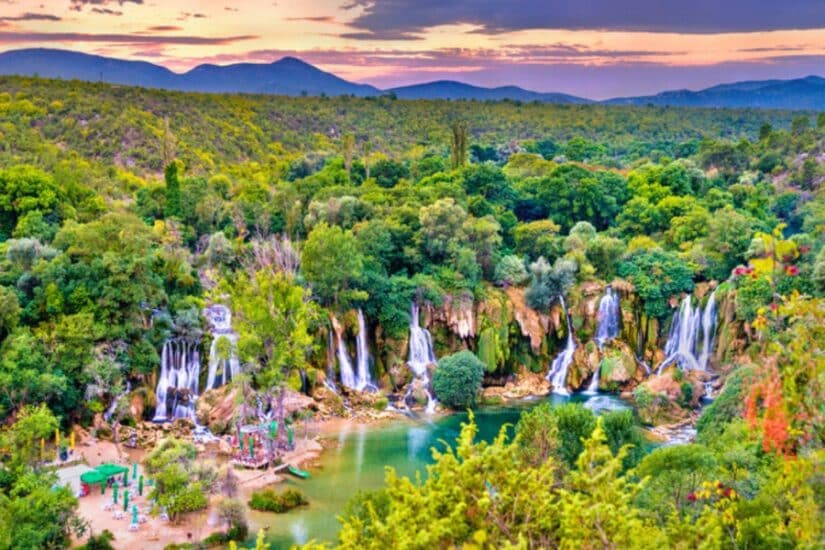
6. Taking a refreshing dip in the emerald pools below Kravica Waterfalls, Bosnia & Herzegovina
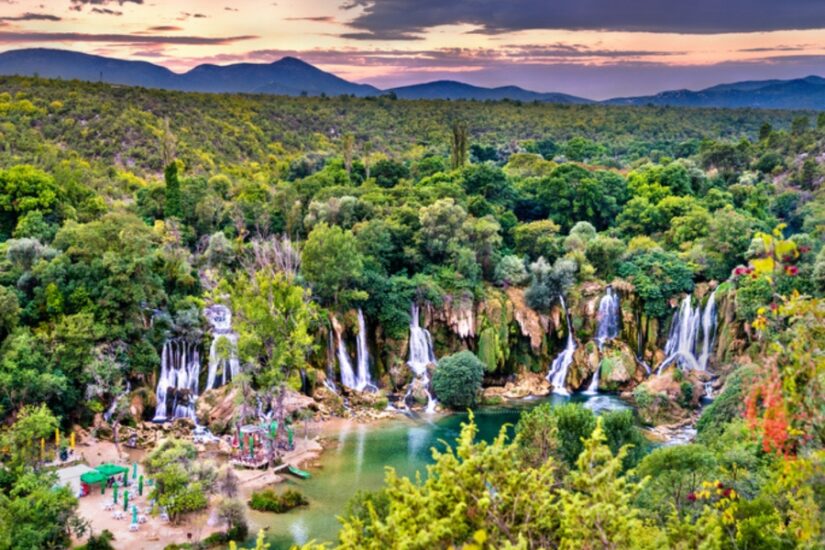
Kravica is Bosnia’s open secret — a horseshoe of cascades dropping into a series of vivid green pools that look more Caribbean than Balkan. Swimming here, with the falls thundering around you and the sun coming through the trees, is one of those travel experiences that is simply and straightforwardly joyful. No backstory required. It features on our Bosnia itinerary for good reason.
Explore our Bosnia experiences →
7. Marvelling at Georgia’s extraordinary monastery settings in the Greater Caucasus, Georgia
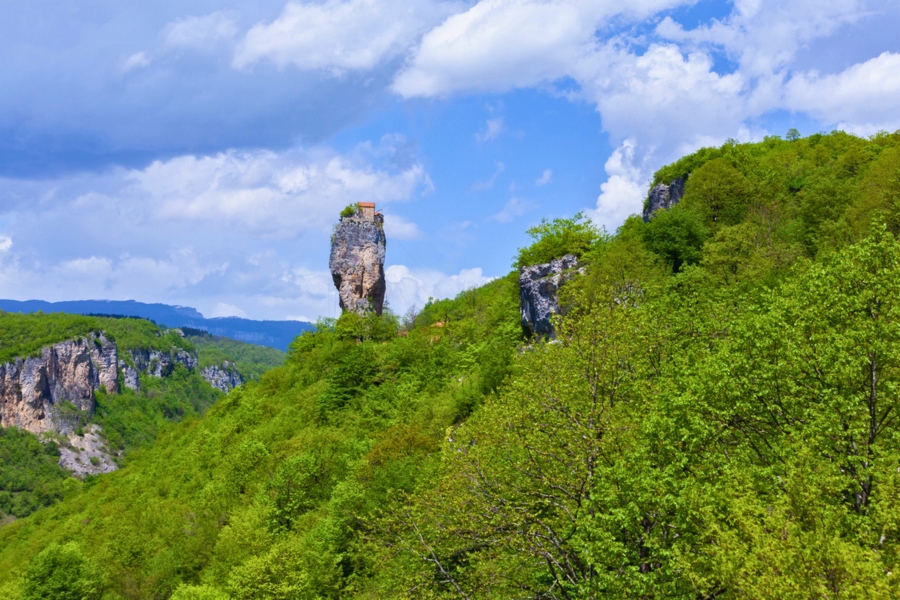
Georgia has a habit of placing its ancient monasteries in locations of almost theatrical natural drama – perched on clifftops, tucked into gorges, or clinging to mountain ridges with the Caucasus rising behind them. Gergeti Trinity Church above Stepantsminda, with Mount Kazbek as its backdrop, is perhaps the most famous. But there are others, and our Georgia itinerary takes you to the ones that stop you in your tracks.
Explore our Georgia experience →
8. Standing at the edge of the Perito Moreno Glacier as it calves into the lake below, Argentina
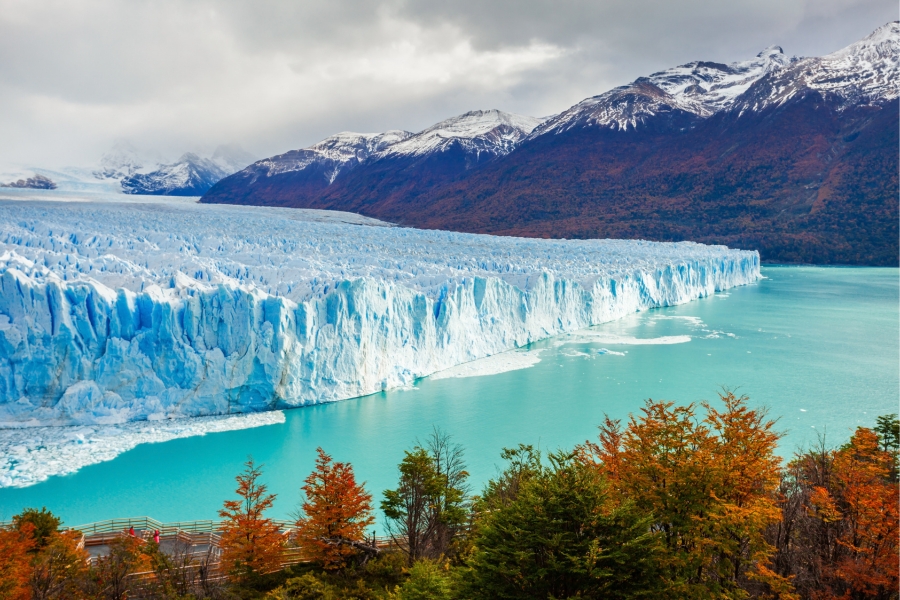
Most glaciers in the world are retreating. Perito Moreno advances, grinding forward into Lago Argentino until it breaks under its own weight, sending vast chunks of ice crashing into the turquoise water below. You wait. You watch. You hear it groan and crack. Then the roar, and the wave. It is a spectacle of geological theatre unlike almost anything else on earth, and it is one of the highlights of our Argentina itinerary.
Explore our Argentina experience →
🍷 Local Flavour: where culture gets under your skin
9. Hunting for truffles in the Slovenian forest, then sitting down to a homestead meal, Slovenia
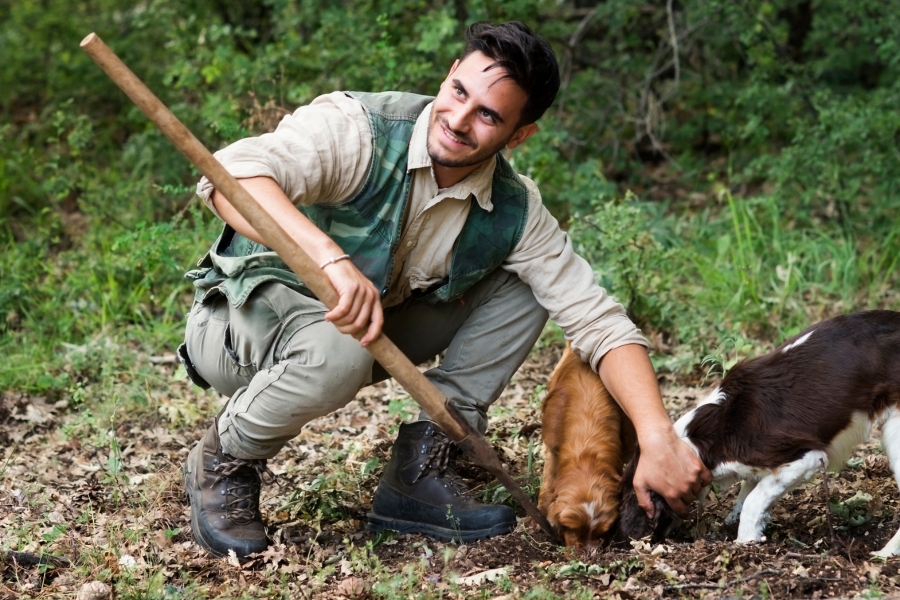
Slovenia is one of Europe’s great culinary secrets and the truffle forests of the country’s interior are among its best-kept. Our truffle hunting experience puts you in the woods with a local expert and a highly trained dog, followed by a meal back at the farmhouse using ingredients from the land around you. It’s the kind of experience that food writers queue up for. On our itinerary, it’s just Tuesday.
Explore our Taste of Slovenia experience →
10. Walking across the Stari Most at dusk as the old city comes to life around you, Bosnia & Herzegovina
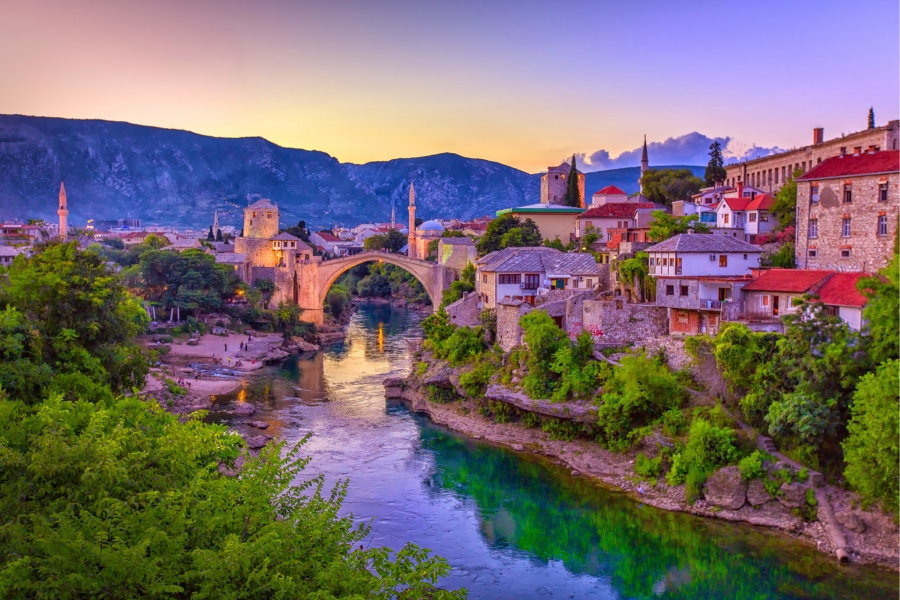
The rebuilt 16th-century Ottoman bridge arching over the Neretva in Mostar is beautiful at any hour but at dusk, when the stone glows amber and the call to prayer drifts across the water, it becomes something more. Bosnia is complex, layered and profoundly moving in ways that few European destinations manage. Our seven-day itinerary gives you the time to actually understand it, rather than merely pass through.
Explore our Bosnia experiences →
11. Celebrating Halloween inside the real Dracula’s Castle in Transylvania, Romania
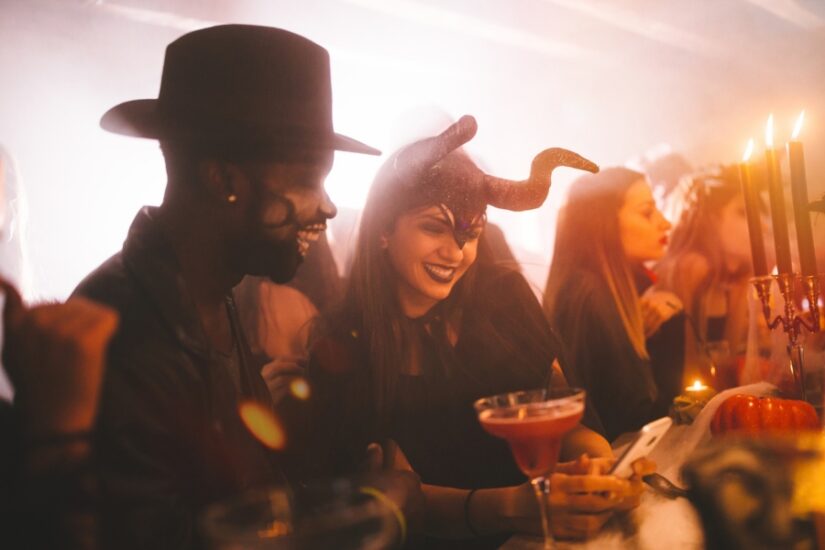
Bran Castle, which inspired Bram Stoker’s gothic fortress, perches on a rocky bluff above the Transylvanian countryside with the kind of architectural menace that simply cannot be manufactured. Visiting on Halloween, when the castle leans into its legend with theatrical abandon, is one of those experiences that manages to be simultaneously ridiculous and genuinely memorable. And we mean that as the highest possible compliment.
Explore our Halloween Dracula experience →
12. Wandering the cobalt alleyways of the Blue Pearl of Chefchaouen, Morocco
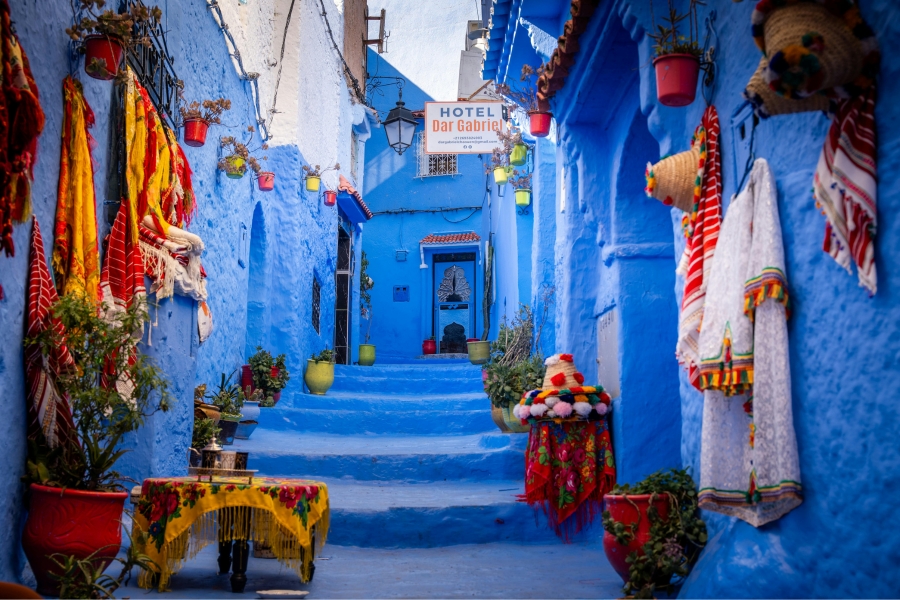
The medina of Chefchaouen is painted almost entirely in shades of blue, a tradition that gives the mountain town an atmosphere of dreamlike calm that is unlike anywhere else in Morocco, or indeed the world. Every alleyway is a photograph. Every doorway a story. Getting genuinely lost here, without a map and without a plan, is one of travel’s purest pleasures, and it features on our Morocco itinerary.
Explore our Morocco experience →
13. Being stopped in your tracks by a flamenco performance in the heart of Seville, Spain
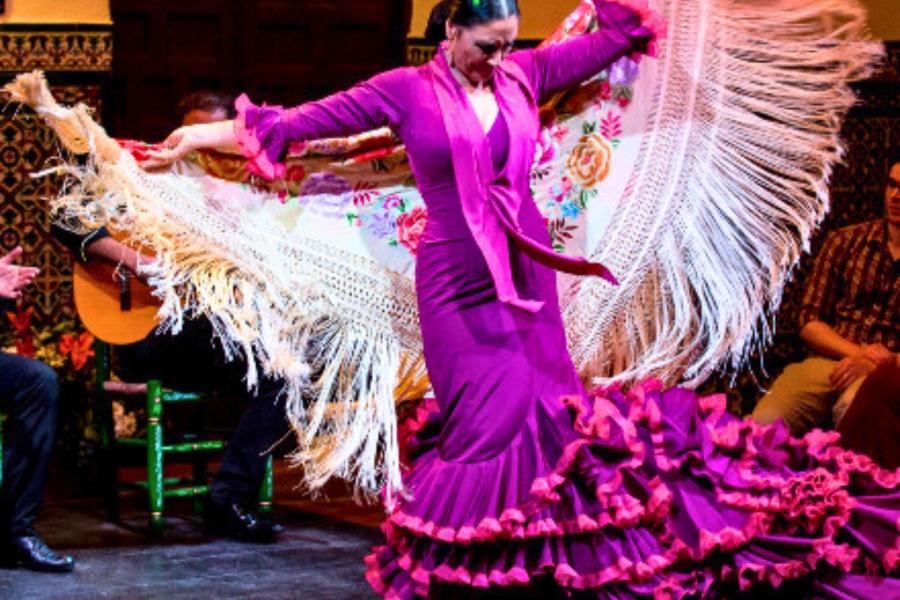
Flamenco in Seville isn’t a tourist attraction, it’s a living, breathing art form that emerged from the city’s soul. Watching it performed by serious artists in an intimate setting. The stomp of heels on a wooden floor, the extraordinary physical control, the emotional charge of the singing – is an experience that bypasses the rational brain entirely. You don’t need to understand it. You just feel it.
Explore our Spain experience →
14. Spending time among the ancient tribes of the Omo Valley, Ethiopia
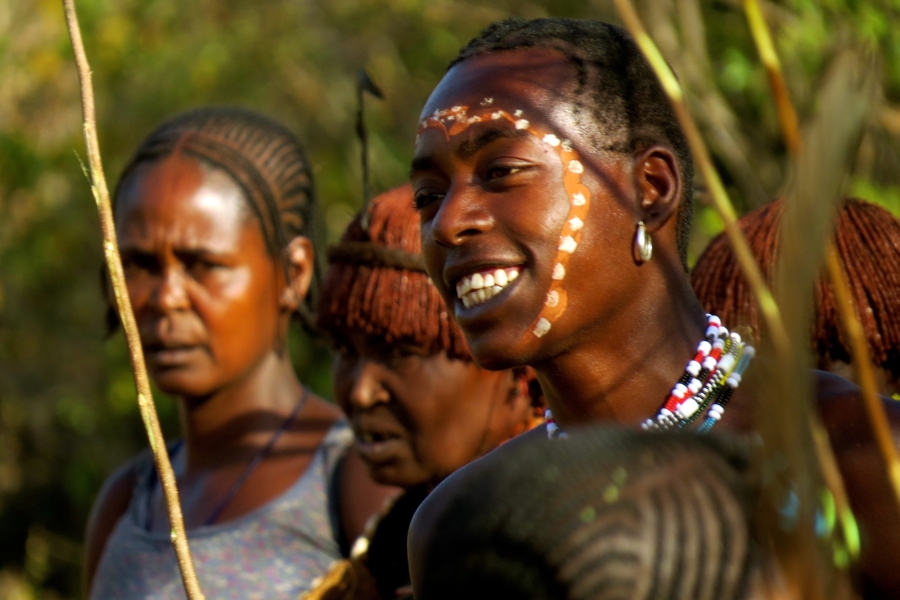
The lower Omo Valley in southern Ethiopia is home to some of the most culturally distinct peoples on earth — the Mursi, Hamar, Karo and Dassanech among them, many of whom continue to live according to traditions that have remained largely unchanged for centuries. Visiting with genuine respect, through guides with deep community relationships, is one of the most profound and humbling things we offer.
Explore our Ethiopia experiences →
15. Arriving at the Chichicastenango market before the tour buses, Guatemala
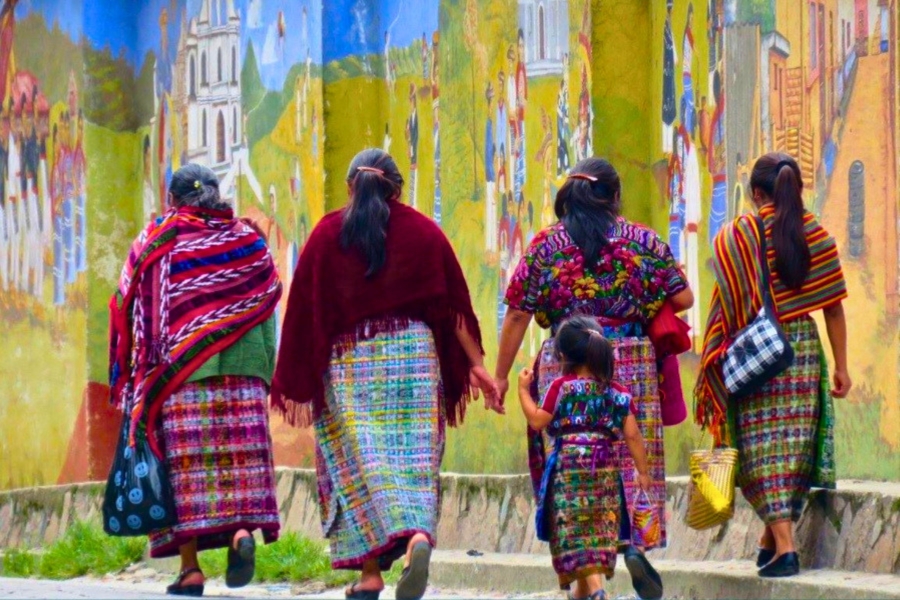
Thursday and Sunday markets in Chichicastenango are among the most visually extraordinary in the world – handwoven Mayan textiles, copal incense smoke drifting up the church steps, traders who have been coming here for centuries. By mid-morning the tour groups have arrived and the spell changes. Arrive at dawn, as our Guatemala itinerary does, and it belongs entirely to you.
Explore our Guatemala experience →
16. Rolling pasta dough with local nonnas in the backstreets of Bari, Italy
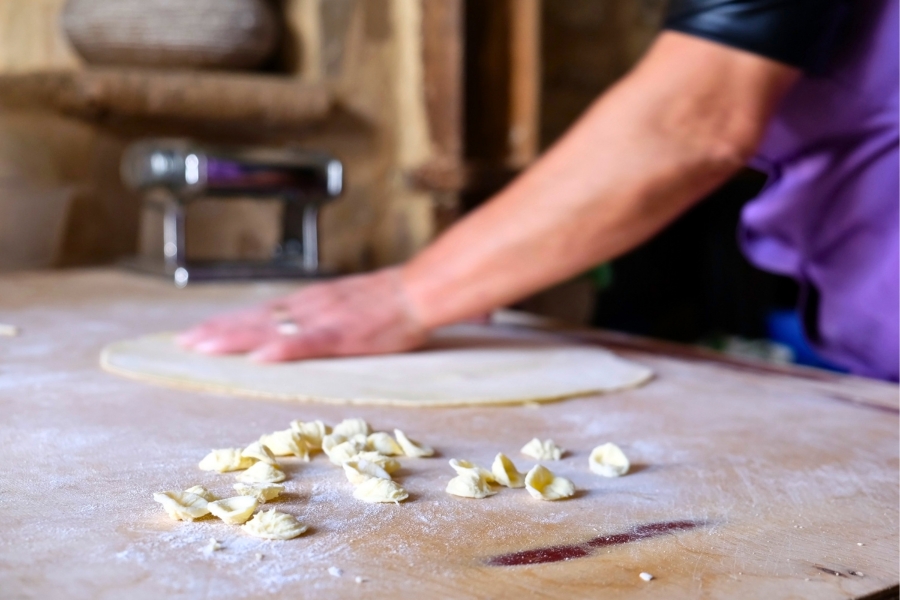
The women of Bari Vecchia have been making orecchiette by hand on their doorsteps for generations – a living culinary tradition in the middle of an ancient town. Learning from them directly, in their homes, with flour on the table and a glass of something local close at hand, is the kind of travel memory that sits completely outside the reach of any guidebook. Slow, joyful and entirely real.
Explore our Dolce Vita Puglia experience →
17. A long, unhurried lunch in a vineyard with Mount Etna smouldering on the horizon, Italy
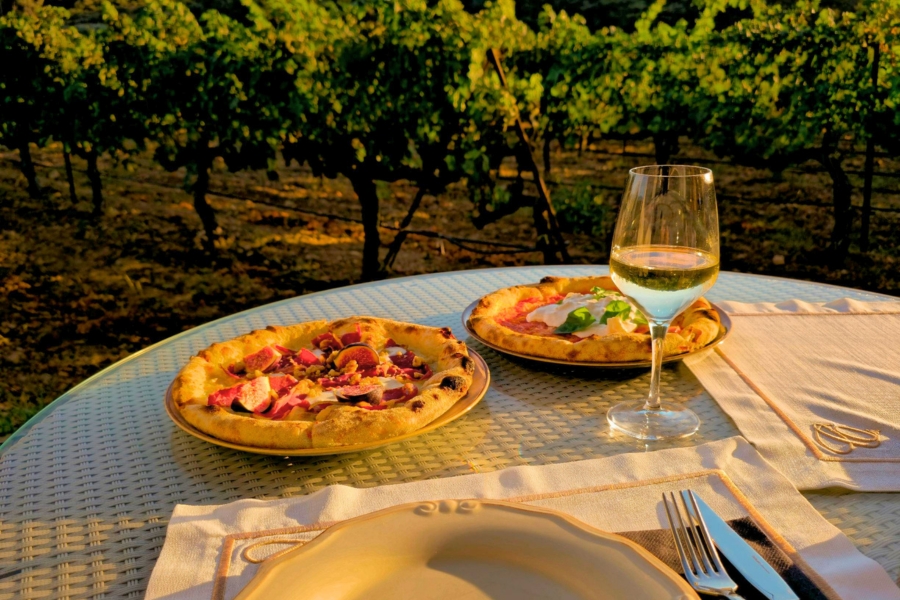
Sicily’s volcanic soils produce wines of extraordinary character, and the vineyards on Etna’s slopes, with the active volcano as a constant, magnificent presence – make for one of the most dramatic lunch settings on earth. Add the food, the wine, the light and the complete absence of any reason to hurry, and you have a very good afternoon indeed.
Explore our Italy experience →
🦁 Into the Wild: Immerse yourself in nature
18. Drifting through the Danube Delta by boat as thousands of birds rise around you, Romania
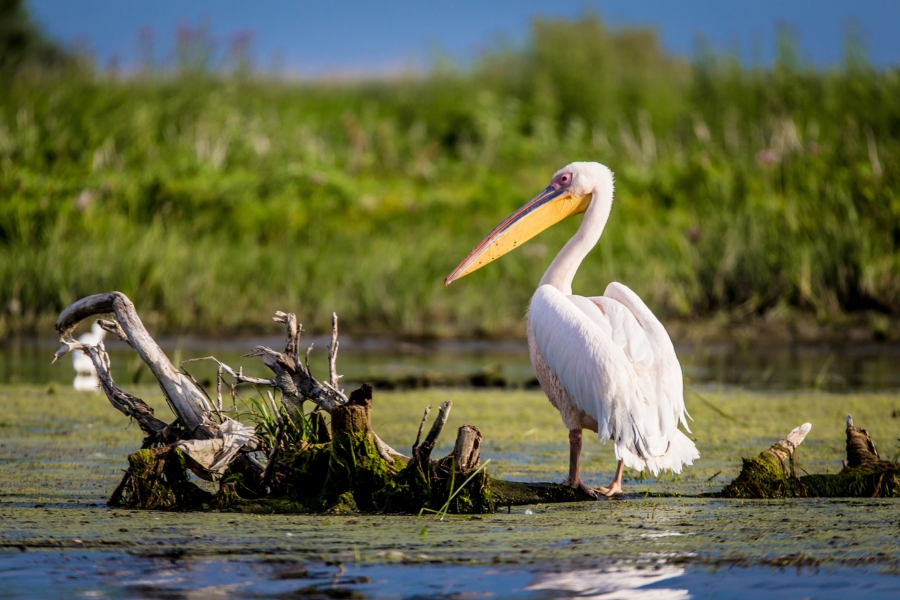
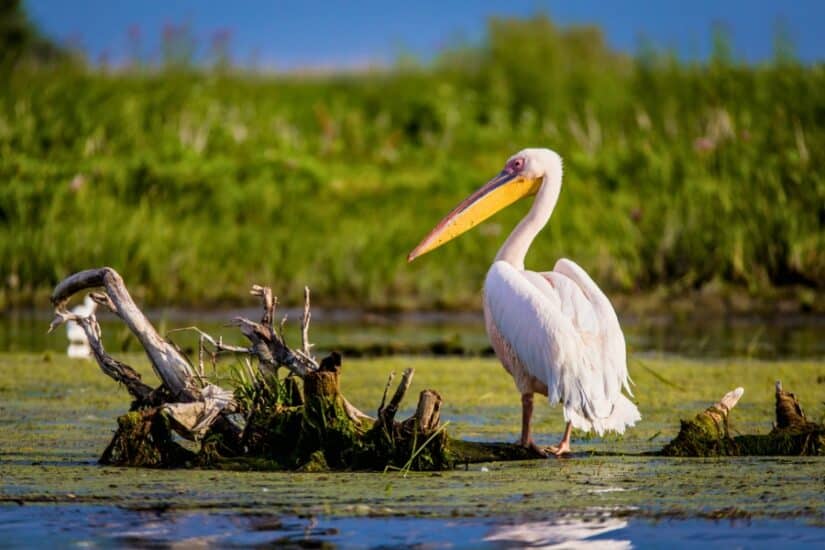
The Danube Delta is one of Europe’s largest and best-preserved wetlands, a labyrinth of channels, reed beds and lakes that is home to over 300 species of birds and a way of life that has changed remarkably little in centuries. On a small boat in the early morning, with pelicans overhead and the sound of the water all around you, it’s one of the most quietly extraordinary places we visit.
Explore our Danube Delta experience →
19. Walking alongside elephants on the Garden Route, South Africa
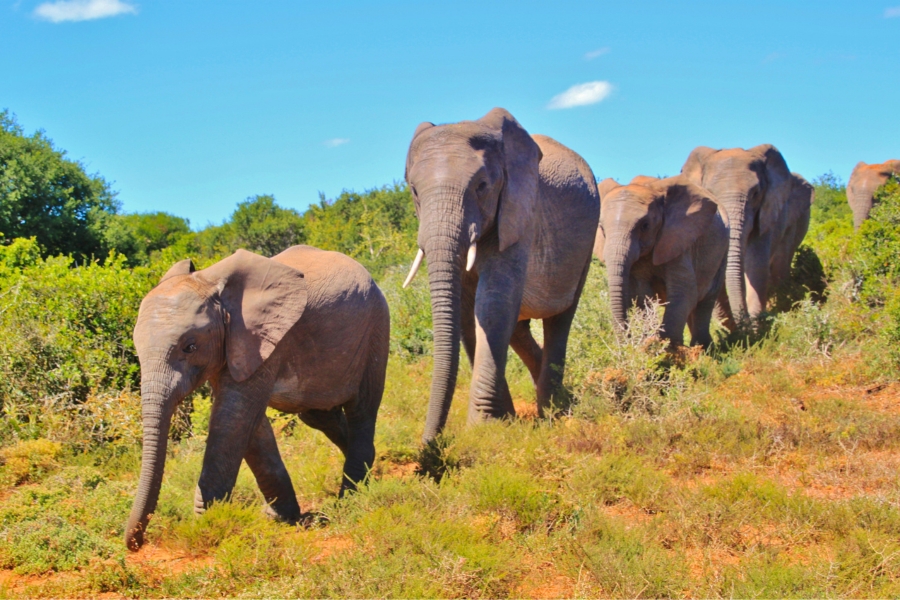
Being on foot in the presence of elephants – really on foot, in their space, moving with them at their pace, is an entirely different experience to watching them from a vehicle. The scale, the intelligence and the extraordinary calm they project at close quarters is something you cannot prepare for. Our South Africa experience puts you here in the company of expert rangers who understand these animals deeply.
Explore our South Africa experiences →
20. Meeting the penguin colony at Boulders Beach, South Africa
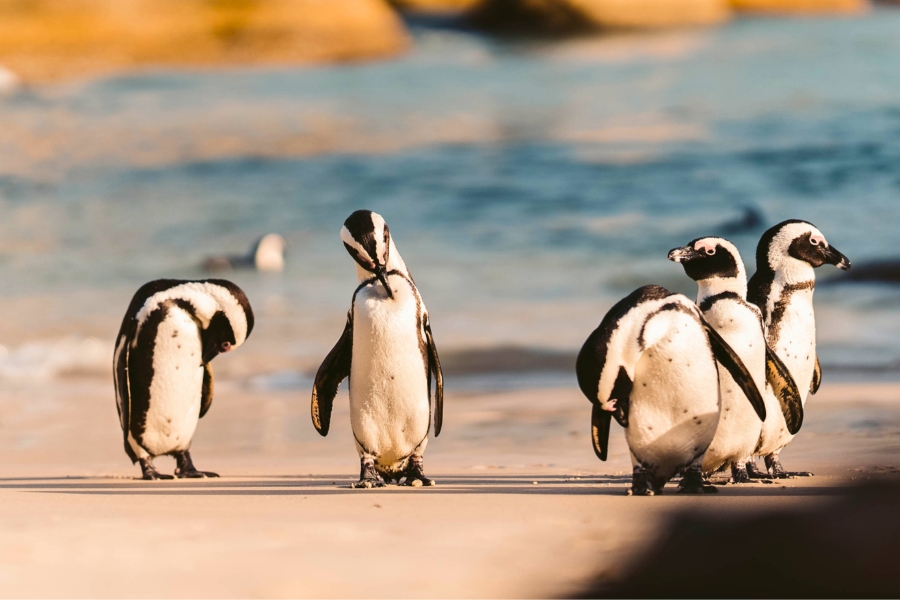
African penguins on a beach a few miles from Cape Town, entirely wild, entirely unbothered by the people who come to see them, waddling between the granite boulders and sunbathing on the sand. It is completely incongruous, completely charming, and one of those wildlife encounters that nobody who sees it ever quite gets over. It features on our South Africa itinerary, and it never gets old.
Explore our South Africa experiences →
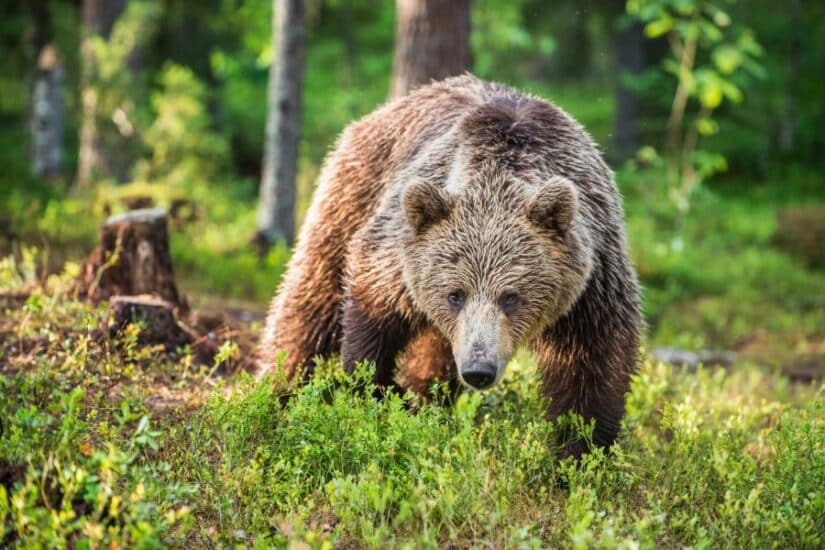
21. Sitting in a bear hide in the Carpathian forest, waiting for Europe’s largest predator to appear, Romania
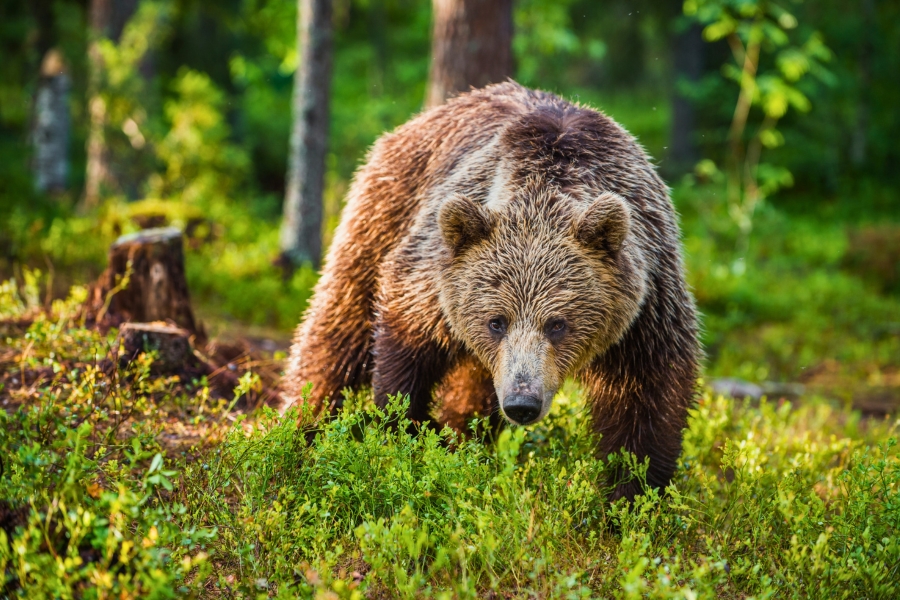
Romania’s Carpathian Mountains are home to the largest brown bear population in Europe outside of Russia. Observing them from a purpose-built hide at dusk – patient, quiet, genuinely uncertain whether one will appear, and then it does, is one of those wildlife encounters that documentaries can suggest but never fully replicate. The silence of the forest beforehand is part of the experience.
Explore our Brown Bear experience →
22. Watching a green sea turtle come ashore to nest, by torchlight, on a Caribbean beach, Costa Rica
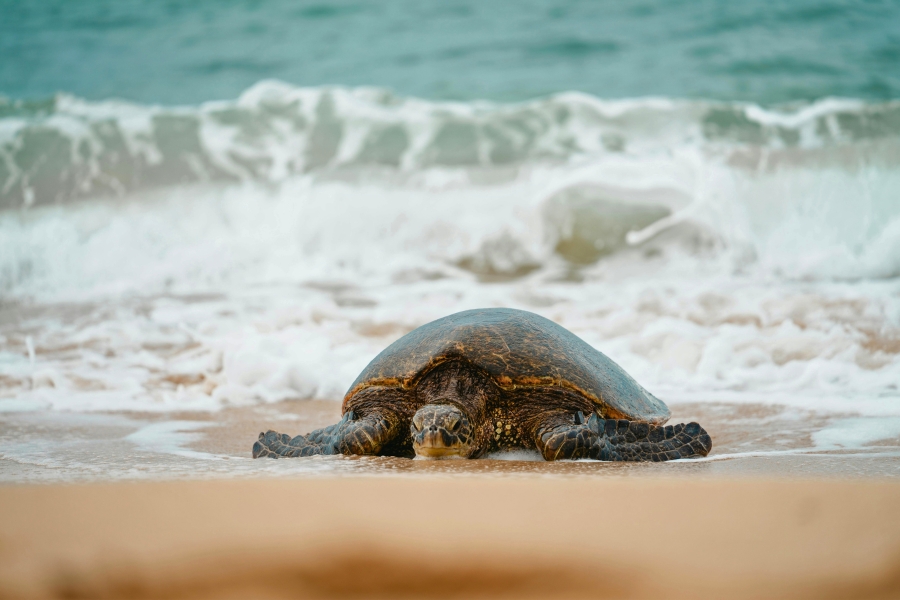
Tortuguero National Park, reachable only by boat or small plane, is one of the world’s most important green turtle nesting sites. Being guided to the beach after dark to watch a turtle weighing well over a hundred kilograms haul herself ashore, dig her nest and lay her eggs is an experience of almost primal quiet and wonder. It’s on our Costa Rica itinerary, and nothing quite prepares you for it.
Explore our Costa Rica experience →
✨ Once in a Lifetime: the experiences that change you
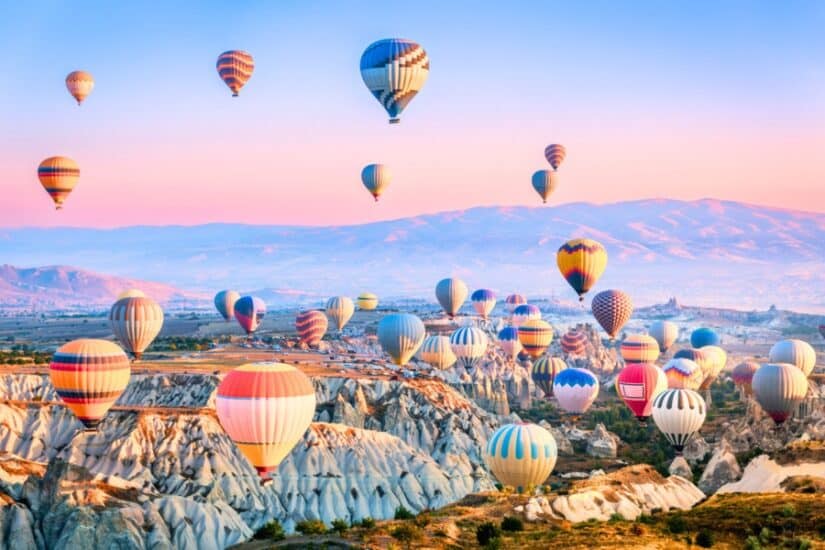
23. Floating silently above the fairy chimneys of Cappadocia in a hot air balloon at sunrise, Turkey
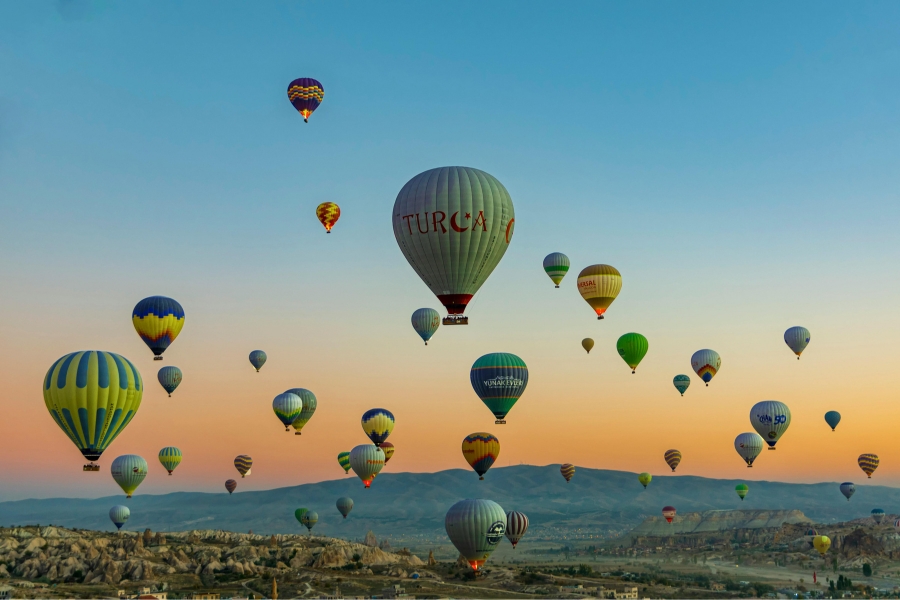
As the sun crests the horizon over Cappadocia’s surreal volcanic landscape, dozens of balloons rise from the valley floor and drift in near-silence above the fairy chimneys and ancient cave formations below. The scale is extraordinary; the quiet is unexpected; the light is everything. It belongs on every serious traveller’s list, and it features on ours for very good reason.
Explore our Turkey experiences →
24. Following a mobile safari camp deep into the Okavango Delta on the trail of the Big Five, Botswana
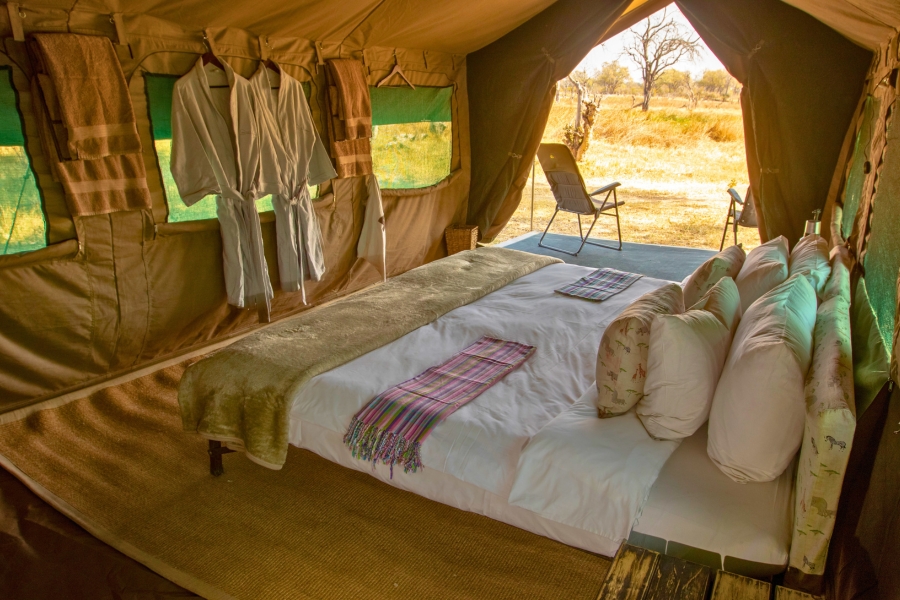
A mobile safari in Botswana is as close as modern travel gets to genuine wilderness immersion. Your camp moves with the wildlife – no fences, no fixed infrastructure, no other guests visible on the horizon. Just you, your guide, and one of the most biodiverse ecosystems on the planet. Seeing a lion in the wild for the first time, properly in the wild, does something to your nervous system that you simply don’t expect.
Explore our Botswana experiences →
25. Descending into the Danakil Depression, one of the most extreme landscapes on earth, Ethiopia
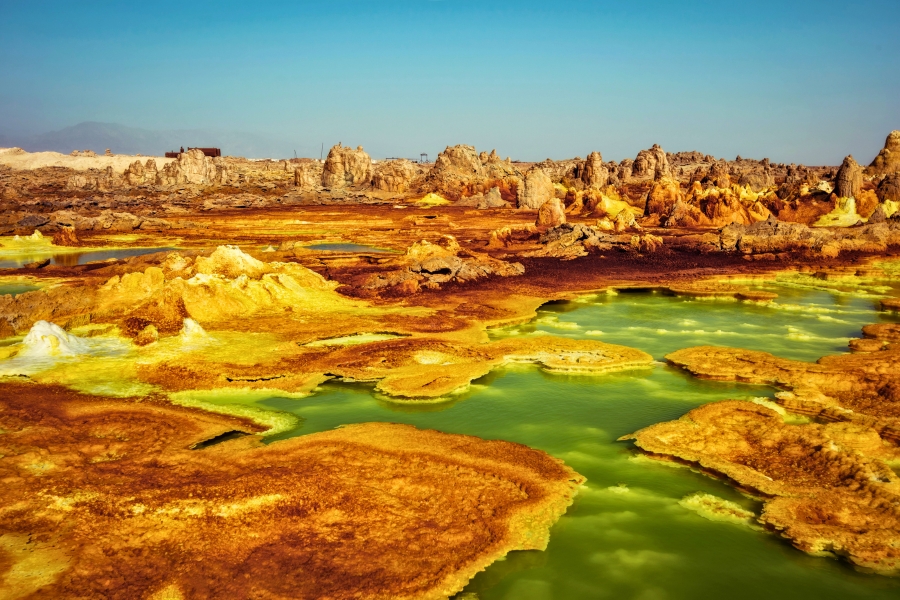
The Danakil Depression in northern Ethiopia is one of the hottest, lowest and most geologically active places on the planet. Acid lakes of vivid yellow and green, salt plains that stretch to the horizon, and lava lakes that glow orange in the dark. It looks like another world because, in almost every meaningful sense, it is. Visiting requires preparation, nerve, and a guide you trust absolutely. We know just the people.
Explore our Extreme Ethiopia experience →
26. Watching the sun set and rise over the Sahara from a private desert camp in the dunes, Morocco
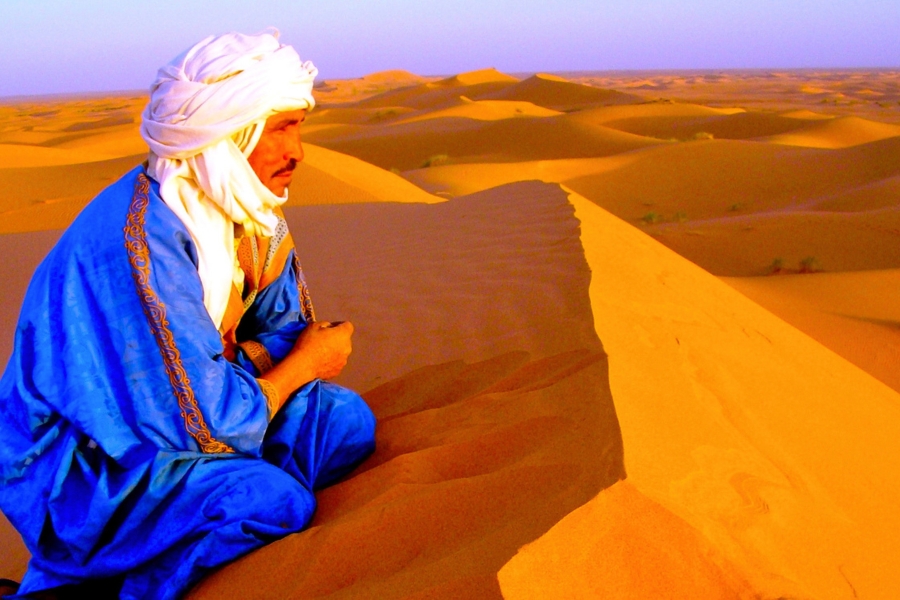
The Erg Chebbi dunes near Merzouga reach 150 metres – tall enough to make you feel genuinely small. Arriving by camel at dusk, watching the light drain from the sand through gold to deep red to purple, then lying on your back in total silence as the Milky Way unfurls overhead, and waking before dawn to see the whole thing reverse in the morning light. Two moments, one desert, and no adequate words for either.
Explore our Morocco experiences →
27. Watching the Northern Lights ripple across the sky from a heated glass-roofed cabin in Finnish Lapland, Finland
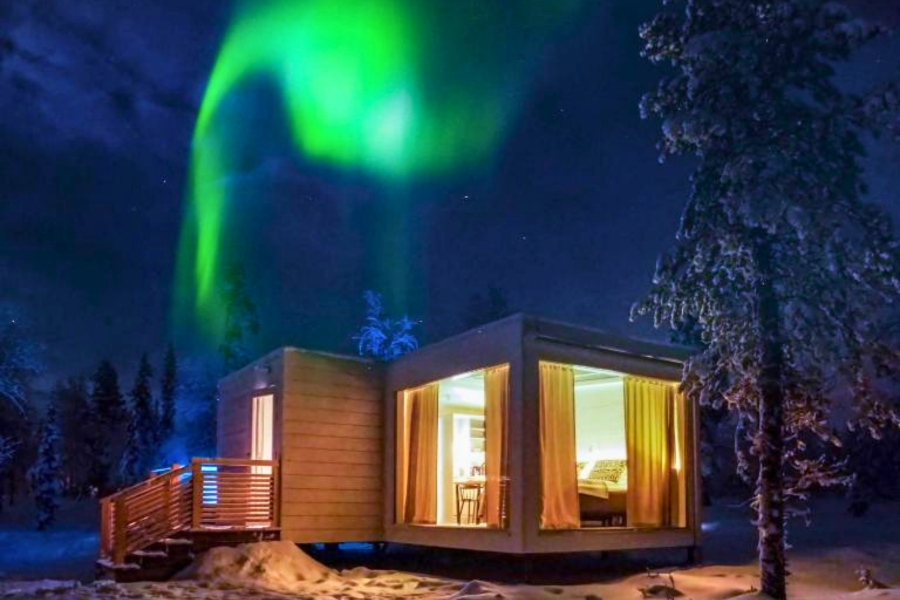
The Aurora Borealis is one of those sights that people consistently describe as making them cry – not from sadness, but from sheer overwhelm. Lying in a heated glass-roofed cabin in Finnish Lapland, warm and horizontal, watching green and violet light move across the sky directly above you, is about as close to a perfect travel experience as we know how to offer. Our Lapland itinerary puts you there.
Explore our Lapland experience →
28. Driving a dog sled through a silent Arctic forest as the sun comes up over the snow, Finland
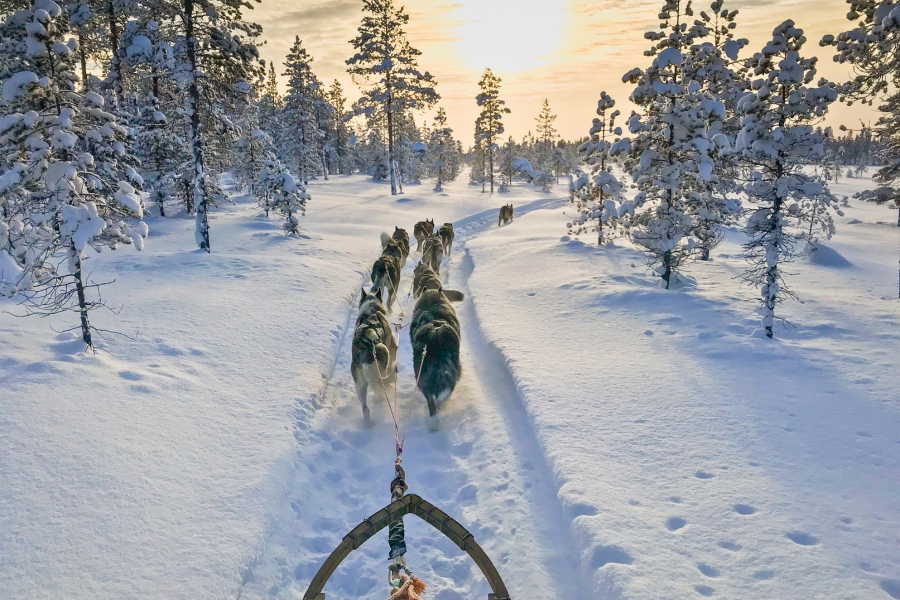
The dogs are extraordinary – muscular, focused, trembling with energy before the run and completely transformed once moving. Through birch forest, across frozen lakes, in temperatures that somehow feel exhilarating rather than unpleasant. The silence between the sound of the runners on snow is total. It is one of the most alive feelings available to any traveller. It is also, it turns out, rather addictive.
Explore our Lapland experience →
29. Sleeping in open-sided accommodation deep in the Colombian Amazon, with the jungle all around you, Colombia
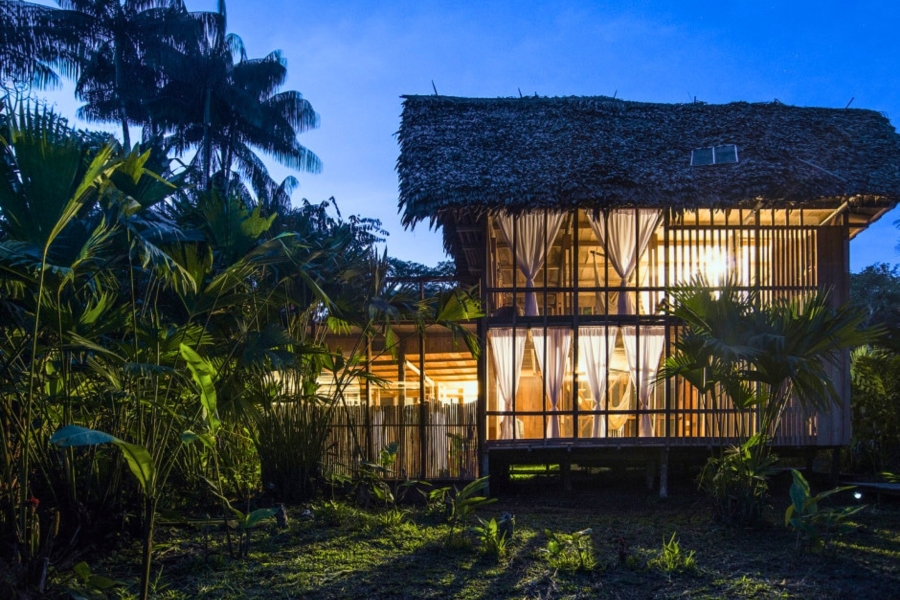
Wall-less sleeping platforms in the Amazon – open to the night sounds, the humidity and the extraordinary cacophony of the forest after dark, is one of those experiences that forces the nervous system to recalibrate entirely. It is not comfortable in any conventional sense as you’re protected by a tight industrial strength mosquito net. It is, however, one of the most immersive and memorable things we offer, and guests who do it rarely stop talking about it.
Explore our Colombia experience →
30. The one you’ve been meaning to book for two years
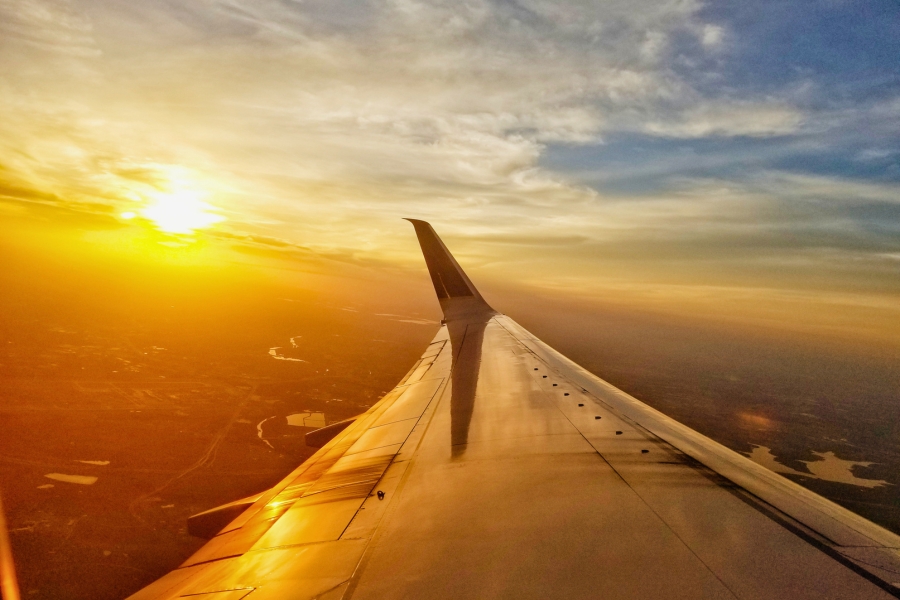
Every person who travels seriously has a list – the one they update quietly over the years, adding things overheard at dinner parties and read in the back pages of magazines. The experience that haunts them slightly. The one they keep meaning to book and never quite do. Consider this a gentle nudge. Every trip on this list is guaranteed to run the moment you book it. We never cancel. So the only thing standing between you and any of the above is the decision to go.
Ready to start planning?
Every experience on this list is real, bookable and guaranteed to run once you’re confirmed. Our groups are small, our guides are local, and our itineraries are built around the kind of moments that make a trip worth remembering for the rest of your life. Drop us a line and let’s get started.
Written by James Chisnall
The post The Untravelled Paths Bucket List: 30 Experiences Worth Planning Your Year Around appeared first on Untravelled Paths.
from Untravelled Paths https://blog.untravelledpaths.com/blog/bucket-list-travel-experiences-untravelled-paths/