
Summer is coming. And whether you’re ready to admit it or not, that quiet, insistent voice in the back of your head, the one that keeps asking whether you really want to spend another August doing the same thing, is getting louder. We think it’s worth listening to.
At Untravelled Paths, summer is the season when our European adventures come into their own. Long days, warm evenings, markets in full swing, landscapes at their most vivid, and the extraordinary feeling of being somewhere that genuinely surprises you. This year, we want to make the case for five destinations that will do exactly that — places that are not just beautiful, but genuinely, memorably extraordinary.
Here’s what’s waiting for you this summer.
Bosnia & Herzegovina: Europe’s Most Underrated Country
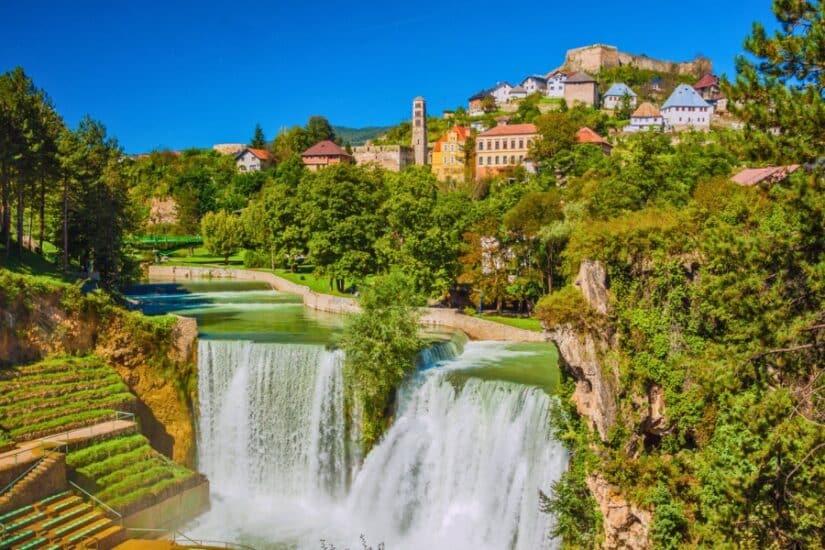
There is a moment, somewhere on the streets of Sarajevo’s Baščaršija — the 15th-century Ottoman bazaar at the heart of the old city — when it hits you. The minarets, the copper merchants, the smell of Bosnian coffee being prepared in the old way, the call to prayer overlapping with the sound of church bells from around the corner. You are in a city unlike any other in Europe, and you wonder why you haven’t been here sooner.
Bosnia and Herzegovina is, quite simply, the most underrated country on the continent. Three major religions — Islam, Roman Catholic, and Serbian Orthodox — come together here to form a vibrant blend of cultures, and the country is rich in history, culture, and natural beauty. Sarajevo, its extraordinary capital, is a city where World War One began (the assassination of Archduke Franz Ferdinand in 1914 took place on these streets), where the Winter Olympics were held in 1984, and where the people carry the recent memory of a siege that lasted 1,400 days in the 1990s — and discuss it with a candour and warmth that is genuinely humbling.
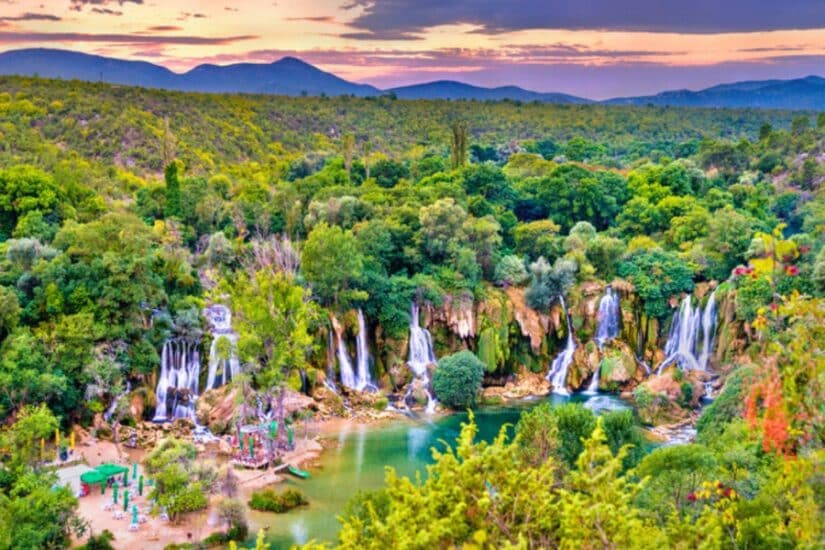
But Bosnia is also a country of extraordinary natural beauty. The jade-green waters of the Neretva Canyon slice through craggy mountains in one of the most spectacular drives in the Balkans. The Kravica Waterfalls — a series of cascading falls in a lush green amphitheatre — are one of those places that makes you feel you’ve discovered something. And Mostar, with its magnificent Stari Most bridge arching over the turquoise Neretva River, is a town that looks like it was plucked from the pages of a fairytale.
The journey from Sarajevo to Mostar passes through the Blagaj Tekke — a 16th-century Dervish monastery built at the base of a cliff beside the turquoise spring of the Buna River — a place that feels almost surreal in its stillness. Watch divers plunge from the Old Bridge into the river below, eat ćevapi (Bosnian minced meat fingers) at a local restaurant, and sit with a cup of Bosnian coffee that takes a very particular technique to prepare correctly. This is the kind of travel that stays with you.
The bonus: Bosnia sits at the heart of one of Europe’s most rewarding travel regions. It combines beautifully with Croatia to the west or Montenegro to the south — making it easy to build a multi-country Balkan adventure from a single trip.
Romania: Four Countries in One
Romania is a country that consistently astonishes the travellers who make it there — and consistently baffles those who haven’t yet made it, because how can one country contain so much?
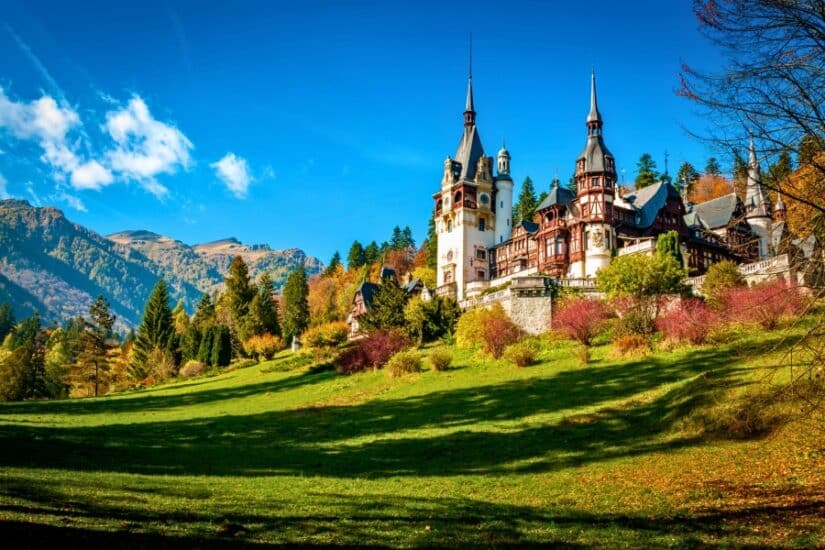
Our Romania experience takes in four entirely distinct worlds. In Transylvania, you’ll explore the charming Saxon towns of Brașov, Sibiu, and Sighișoara — the birthplace of the real Vlad the Impaler, who inspired Dracula — with their colourful medieval squares, fortified churches, and fairy-tale citadels rising above cobbled streets. Bran Castle, perched ominously on its rocky outcrop, and the royal splendour of Peleș Castle offer two of the most atmospheric historic visits in Eastern Europe.
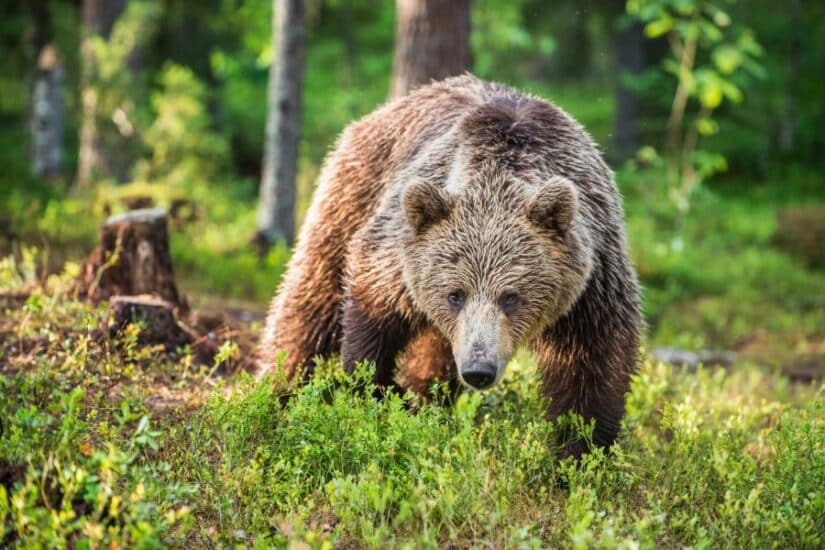
Then there are the bears.
The Carpathians are home to the largest brown bear population in Europe, numbering up to 8,000 individuals. From a carefully positioned wildlife hide in the forests above the valley, you watch in silence as the bears emerge at dusk — wild, unhurried, magnificent — sometimes accompanied by wild boar, foxes, and the occasional wolf moving through the trees. It is one of the most genuinely thrilling wildlife experiences available anywhere in Europe, and it is happening right here, a couple of hours from Bucharest.
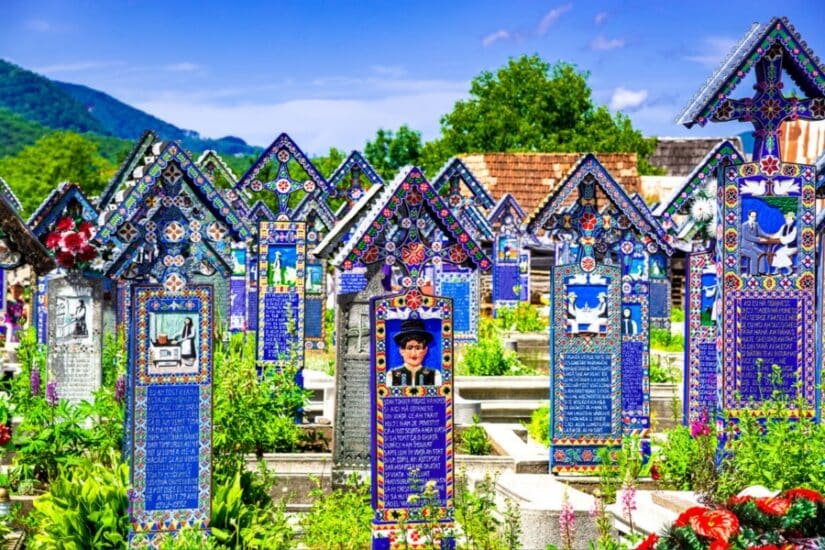
Further north, Maramureș is Romania’s most authentically preserved region: a landscape of wooden churches built without a single nail (several of them UNESCO World Heritage Sites), horse-drawn carts on country lanes, and villages where the pace of life follows the rhythm of the seasons rather than the clock. Romania’s famed rural villages are incredibly authentic, as if time forgot them, and the locals continue to live a slow and simple life like that of their ancestors before them.
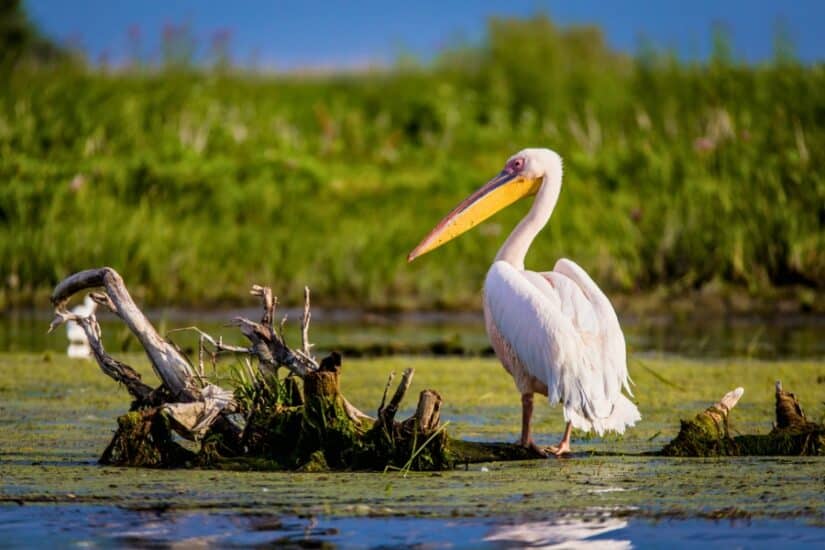
And finally, the Danube Delta — one of Europe’s great wilderness areas, accessible only by boat, home to over 300 species of birds including the world’s largest colony of Dalmatian pelicans, and quite simply one of the most beautiful and peaceful places we know. We’ve written about Mila 23 and the extraordinary story of this place at length on the blog — and in summer, with the delta in full bloom and the pelicans gliding overhead, it is at its most magical.
Romania. You genuinely will not believe it.
Montenegro: Europe’s Best-Kept Coastal Secret
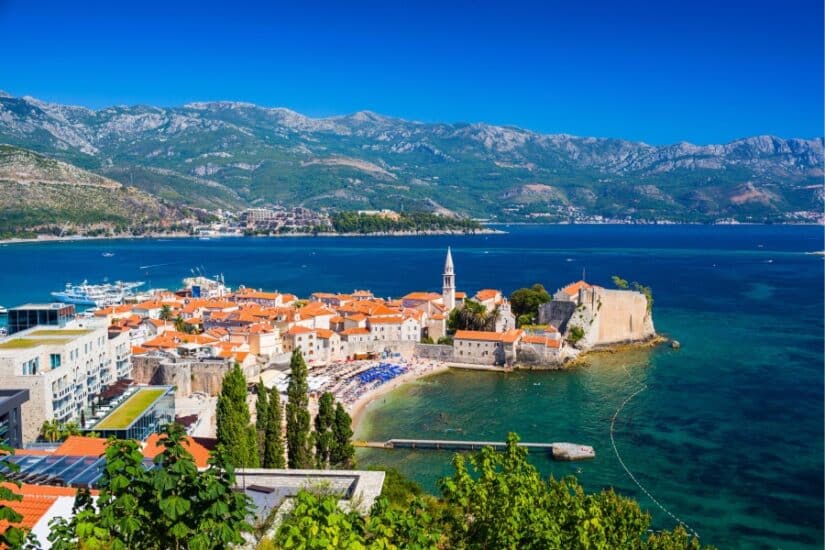
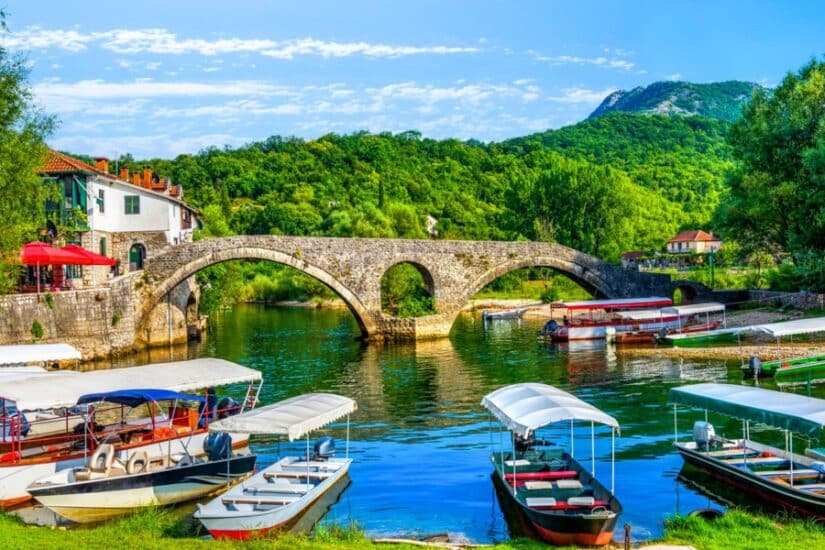
Montenegro is tiny — smaller than Wales — and it packs more extraordinary scenery per square kilometre than almost anywhere else on earth. The name means “Black Mountain,” which tells you something about the drama of the landscape: this is a country where the Adriatic coast, pine-forested mountains, glacial lakes, and ancient walled towns coexist in improbable proximity.
The Bay of Kotor — often called Europe’s southernmost fjord — is one of the great visual spectacles of the Mediterranean. The UNESCO-listed Old Town of Kotor sits at the head of the bay, its medieval walls climbing the steep mountain behind it, its honey-grey cobbled streets full of churches, cats, and excellent restaurants. Sail across the bay to the tiny island church of Our Lady of the Rocks — built, according to local legend, on a foundation of rocks thrown into the sea by sailors returning safely from voyages — and you’ll understand why Montenegro keeps ending up on “most beautiful places in Europe” lists.
Then there is Sveti Stefan. A 15th-century fortified fishing village that was converted into one of the Adriatic’s most exclusive addresses, this tiny islet connected to the mainland by a narrow causeway is perhaps the single most photographed sight in the country — and the surrounding beaches, with the pink islet glowing against the turquoise Adriatic, are every bit as spectacular as the postcards suggest.
For those willing to venture inland, Durmitor National Park offers rugged wilderness of limestone peaks, glacial lakes, deep canyons, and alpine meadows — a landscape that many visitors immediately compare to the Dolomites, but one you can enjoy with virtually zero crowds. The Tara Canyon — the second deepest canyon in the world — offers white-water rafting of extraordinary drama.
The bonus: Montenegro’s geography makes it one of Europe’s finest multi-country hubs. It combines effortlessly with Croatia to the north, Bosnia to the northeast, Albania to the south, and — for the more ambitious itinerary — even Italy by ferry from the port of Bar.
Slovenia: Small Country, Extraordinary Everything
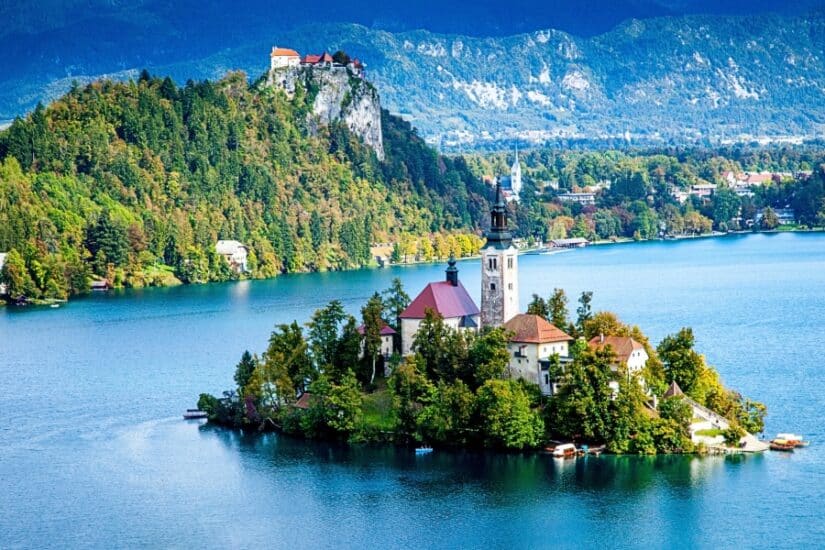
Slovenia sometimes feels like Europe’s best-kept secret: a country the size of Wales that somehow contains the Julian Alps, a UNESCO-listed cave system, a perfectly preserved medieval capital, and a lake so photogenic it seems almost deliberately designed to make you believe in fairy tales.
That lake is, of course, Lake Bled. Nestled in the foothills of the Julian Alps, this fairytale lake has emerald waters, a charming central island, and a medieval castle perched on a cliff — and it’s been consistently ranked among the most beautiful lakes in the world. In summer, you can swim in the crystalline water, row or paddle across to Bled Island on a traditional pletna boat (a flat-bottomed gondola unique to this lake, poled by local oarsmen), climb to Bled Castle for views that stretch across the Julian Alps, and ring the church bell on the island — local legend holds that wishes made when the bell rings come true.
For a sunrise hot air balloon experience over Lake Bled — floating higher and higher until you’re among the clouds and looking out across international borders into Austria and Italy — this is one of those things that makes you feel very small and very fortunate simultaneously.
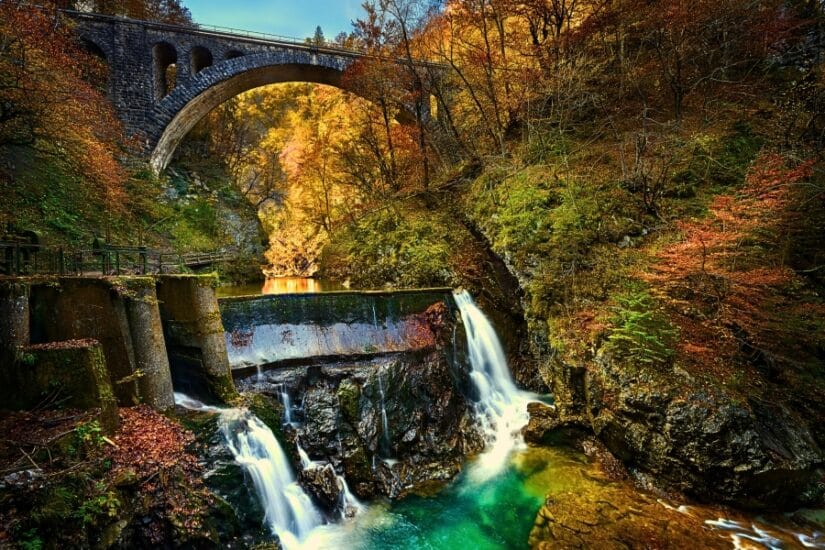
The Vintgar Gorge — a kilometre-long canyon of turquoise water traversed by wooden walkways and bridges, ending at a thundering waterfall — is one of those natural spectacles where you run out of superlatives very quickly. And Triglav National Park, beyond the lake, offers some of the finest mountain hiking in the Alps — with significantly fewer people than the Austrian or Swiss alternatives.
Ljubljana, Slovenia’s compact and charming capital, is the perfect starting point: a city of flower-draped bridges, riverside café culture, a castle overlooking the rooftops, and a food scene that punches well above its weight for a city of fewer than 300,000 people. And for those who want to go underground, the Postojna Cave — 24 kilometres of remarkable caverns, navigated partly by electric train — and the extraordinary Predjama Castle, built into the mouth of a cave halfway up a cliff face, are experiences unlike anything else in Europe.
Slovenia is extraordinarily compact. You can genuinely experience the best of it in a week, which makes it perfect as a standalone short break or as part of a broader Balkan adventure.
Turkey: Three Countries in One Trip
Turkey is the destination that makes people wonder why they waited so long. It is vast, extraordinarily varied, and layered with thousands of years of civilisation in a way that no country in Europe can quite match. Our Turkey experience takes in three entirely distinct worlds, each one spectacular in its own right.
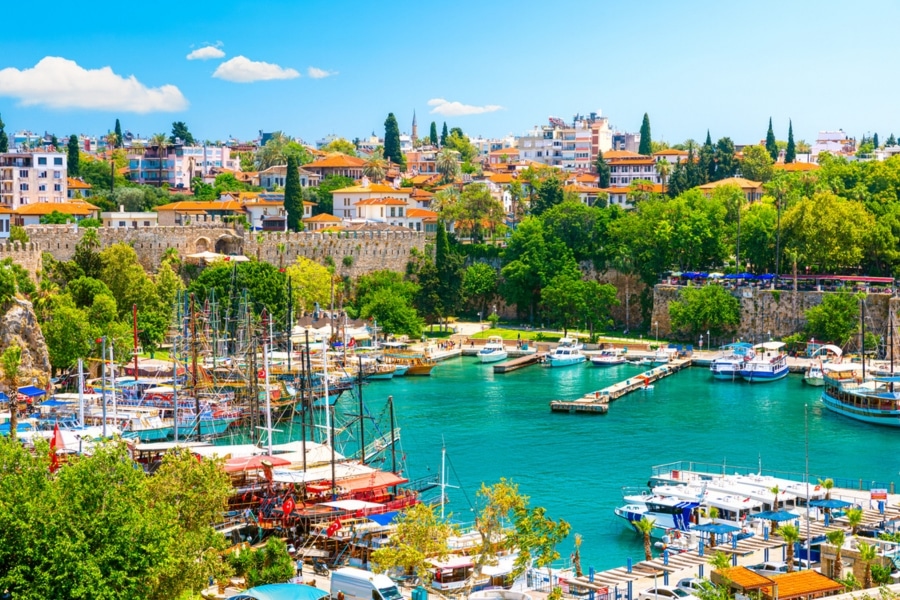
Istanbul is one of the world’s great cities — the only metropolis that sits across two continents, where 2,600 years of Roman, Byzantine, and Ottoman history layer upon each other in ways that are still, somehow, surprising. The Hagia Sophia was originally a cathedral built in 537 AD, then a mosque, then a museum, and is now a mosque again — one of humanity’s greatest architectural achievements. The Blue Mosque, the Topkapı Palace, the Grand Bazaar, the Spice Market, the ferry crossing of the Bosphorus at sunset with the city’s minarets silhouetted against an orange sky — Istanbul is inexhaustible, and you will leave it wanting more time.
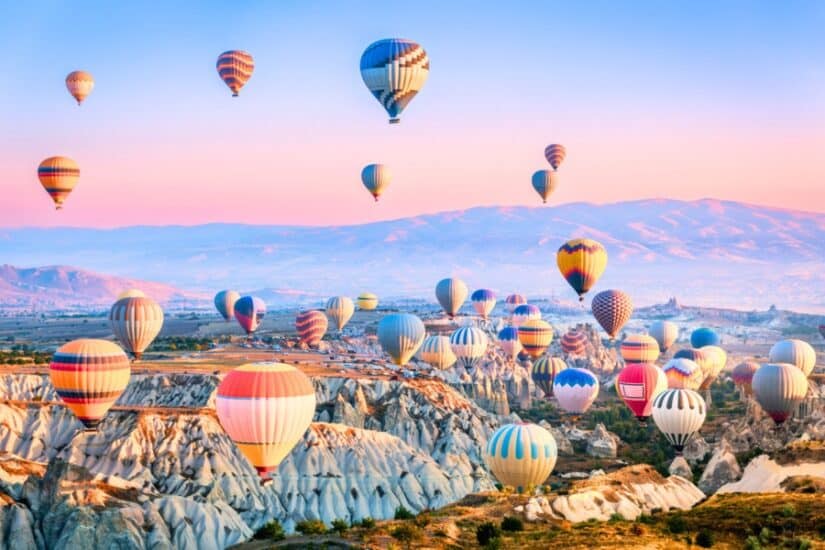
Cappadocia is something else entirely. The surreal landscape of fairy chimneys, cave dwellings, and underground cities creates experiences available nowhere else on earth. You stay in a cave hotel — hewn from the volcanic tufa that forms these extraordinary formations, surprisingly luxurious, and genuinely otherworldly — and you wake before dawn for the hot air balloon ride that consistently features on every “once-in-a-lifetime experiences” list ever written. Up to 150 balloons launch simultaneously at dawn over the fairy chimney landscape, floating in near-silence above a landscape that looks like it belongs on another planet. It is magnificent.
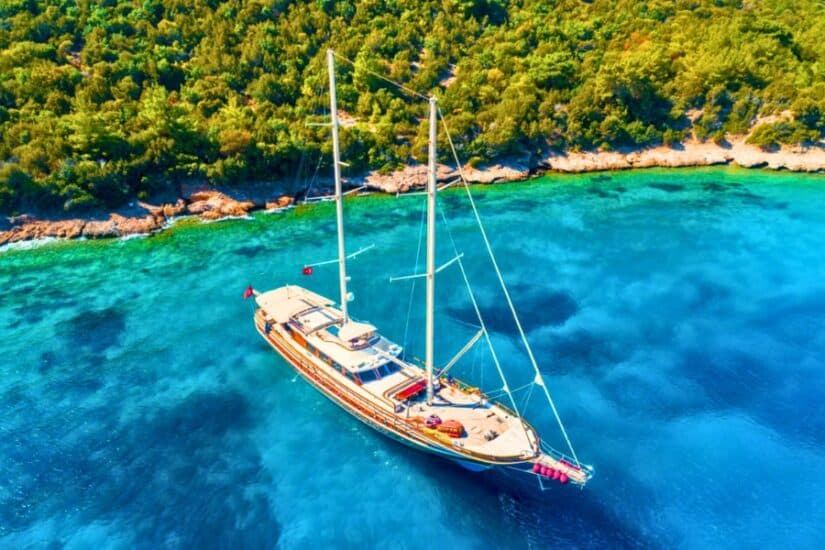
And then there is the Turkish Riviera — and the gulets. A gulet is a traditional Turkish wooden sailing yacht, handcrafted from mahogany, pine, and teak, following a design developed for these waters in Byzantine times. Sailing the Turquoise Coast aboard one of these beautiful vessels — anchoring in hidden coves, swimming in translucent water over the ruins of ancient Lycian cities, hiking to rock tombs carved into clifftops 2,000 years ago, eating extraordinary meals prepared by an on-board chef and served on deck as the sun goes down — is one of those experiences that redefines what a holiday can be. Pine-forested coasts scented by wild herbs, tiny seaside villages, Lycian rock tombs, ruined Byzantine monasteries, ancient Roman baths, and towering Greek amphitheatres all accessible only by boat and foot.
Turkey is extraordinary value, extraordinarily hospitable, and extraordinarily beautiful. It is, in the truest sense, an untravelled path — even if it’s been there all along.
This Summer, Make It Count
These five destinations have one thing in common: they surprise people. Not because they’re unknown — though some come close — but because they deliver something that the more familiar summer destinations simply cannot: the feeling that you’ve genuinely experienced somewhere, rather than just visited it.
Whether you’re drawn to the history of Bosnia, the wildlife of Romania, the coastline of Montenegro, the mountain lakes of Slovenia, or the extraordinary variety of Turkey, we’re ready to help you plan the trip.
Get in touch with the Untravelled Paths team today and let’s start building your summer adventure. We know all five of these destinations personally and deeply — the best places to stay, the moments not to miss, the hidden corners that make the difference. We’d love to share them with you.
Summer 2026 is calling. Let’s make it one you’ll talk about for years.
The post Your Summer, But Make It Unforgettable: Our Top European Destinations appeared first on Untravelled Paths.
from Untravelled Paths https://blog.untravelledpaths.com/blog/top-european-destinations-for-2026/

No comments:
Post a Comment