
Some places are worth visiting for their scenery. Others are worth visiting for a single day, or even a single hour, when a whole culture pours itself into the street, the stadium or the sea. These are the events that turn a good trip into a story you’ll still be telling twenty years from now.
We’ve put together a list of ten of the most extraordinary cultural and sporting events on the planet; some ancient, some barely a century old, all utterly unmissable. We’ve been fortunate enough to tick off a fair few of these ourselves, and we’ve got strong opinions about the rest.
But this isn’t really about our list. It’s about yours. Read on, keep count as you go, and let us know at the end: how many have you visited, and how many are still on the bucket list?
1. Day of the Dead, Mexico
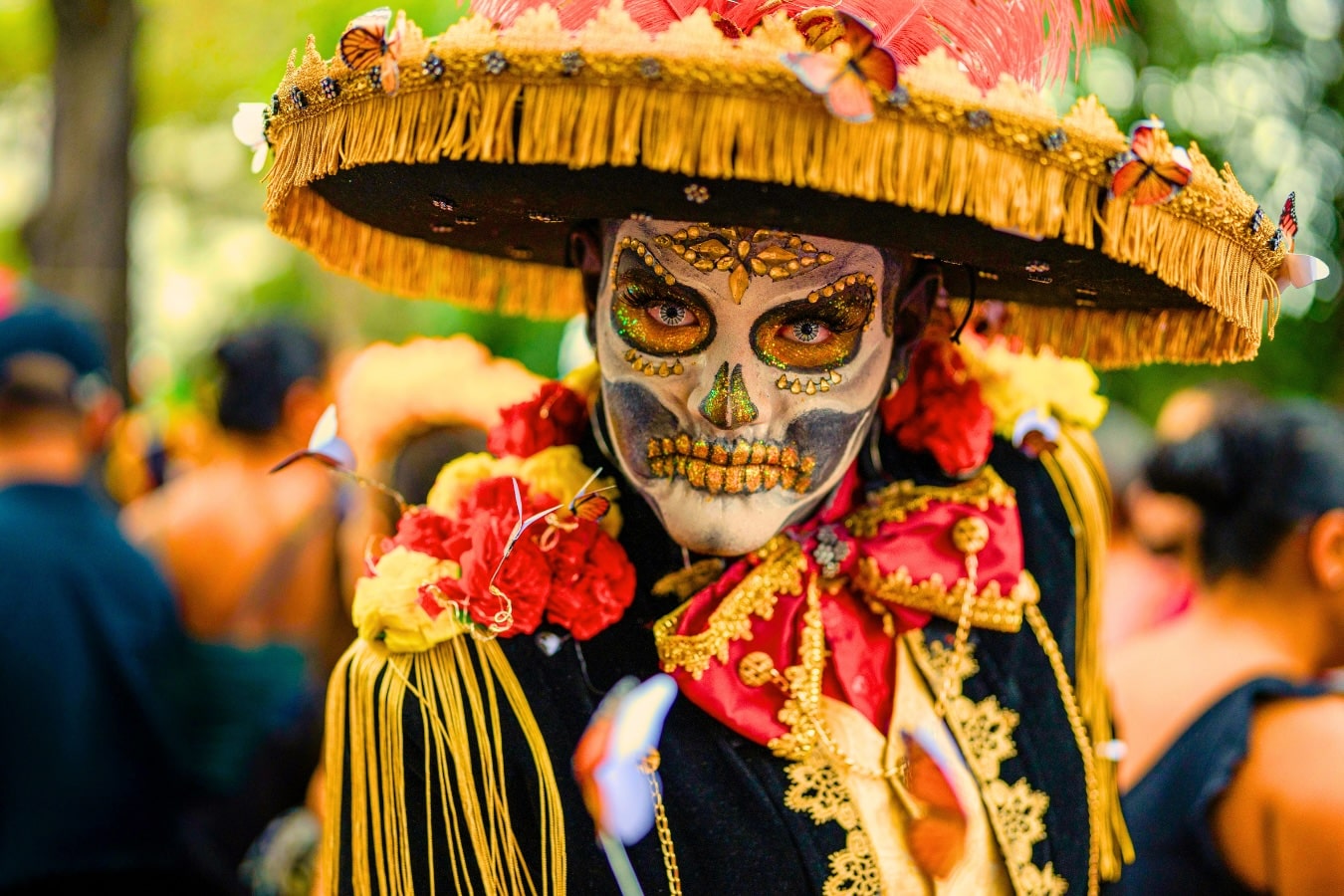
Held on 1st and 2nd November, Día de los Muertos is one of the most misunderstood celebrations in the world to outsiders, and one of the most moving once you understand it properly. Far from being a morbid affair, it’s a joyful, technicolour celebration of lives once lived where families build ofrendas (altars) laden with marigolds, candles, sugar skulls and the favourite foods of those who’ve passed, inviting their spirits home for one night of the year. It’s recognised by UNESCO as part of the Intangible Cultural Heritage of Humanity, a nod to just how deeply rooted the tradition is.
The origins stretch back to Aztec and other Mesoamerican traditions, later blended with the Catholic observances of All Saints’ and All Souls’ Day brought by Spanish colonisers. Oaxaca and Mexico City put on the most elaborate displays, with cemeteries lit by candlelight and streets filled with painted skulls (calaveras), marigold petals and parades that feel more like carnivals than commemorations.
We may be looking at hosting this event next year alongside the wonder of the world Chichen Itza, keep your eyes pealed!
Best for: Anyone curious about a culture’s relationship with mortality, and travellers who like their history served with genuine colour and warmth.
2. Naadam Festival, Mongolia
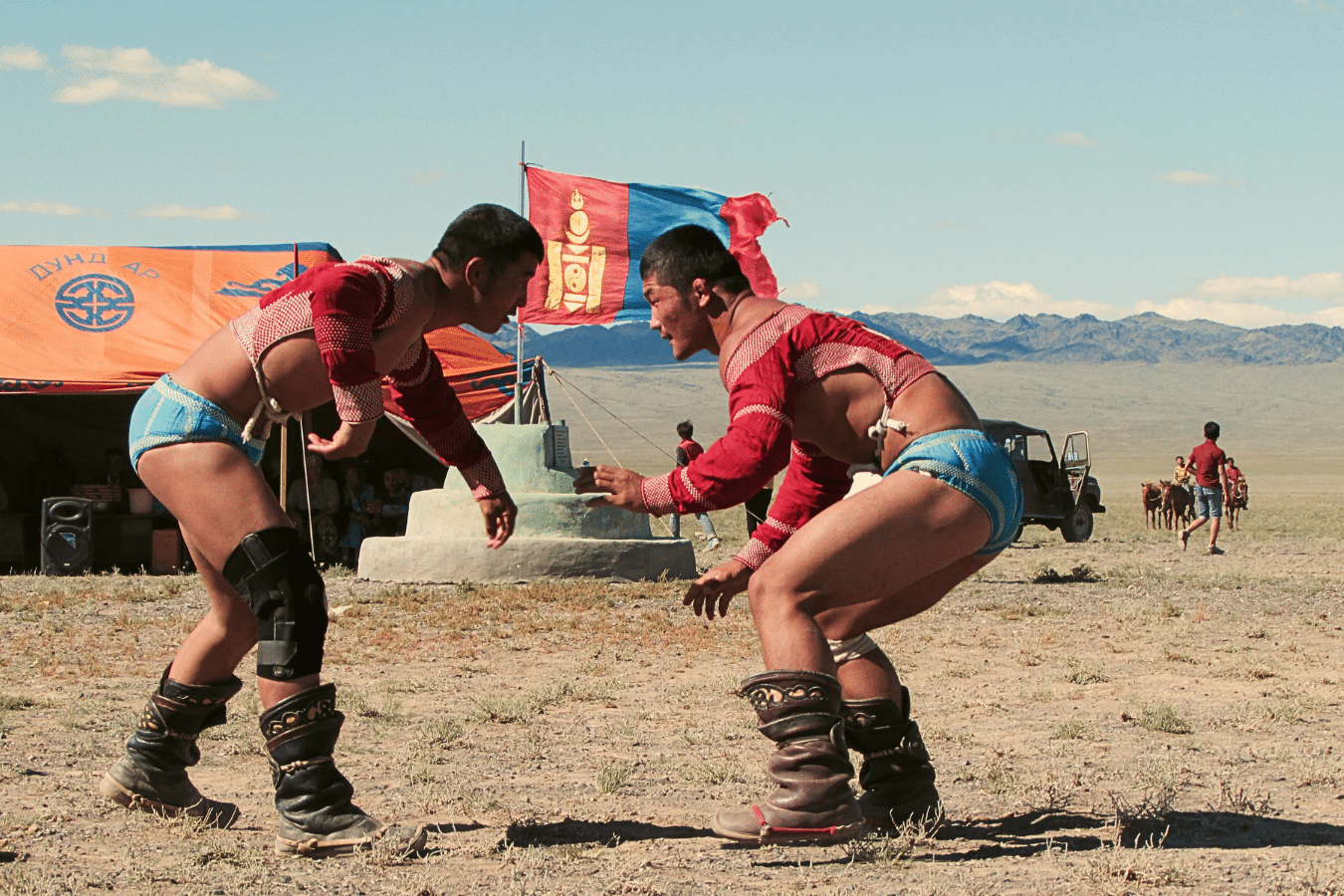
Every July, from the 11th to the 13th, Mongolia turns its attention to the “Three Manly Games”; wrestling, horse racing and archery, in a festival with roots stretching back to the 13th century and the reign of Genghis Khan, and now inscribed by UNESCO as an Intangible Cultural Heritage tradition in its own right. These weren’t simply sports; they were the training grounds that kept Mongol warriors battle-ready between campaigns, and something of that spirit survives in the ferocity of the competitions today.
Ulaanbaatar hosts the largest celebration, complete with an opening ceremony of extraordinary pageantry, but it’s worth seeking out a rural Naadam if you can; smaller, rawer, and a genuine window into nomadic life on the steppe. Women compete in the archery and horse racing (children as young as five ride in the latter), while wrestling remains a men-only affair, fought in eagle-inspired costumes to the sound of traditional chanting.
Best for: Anyone who wants to see a warrior culture very much alive, rather than confined to a museum.
3. Basking Shark Migration & The Highland Games, Scotland
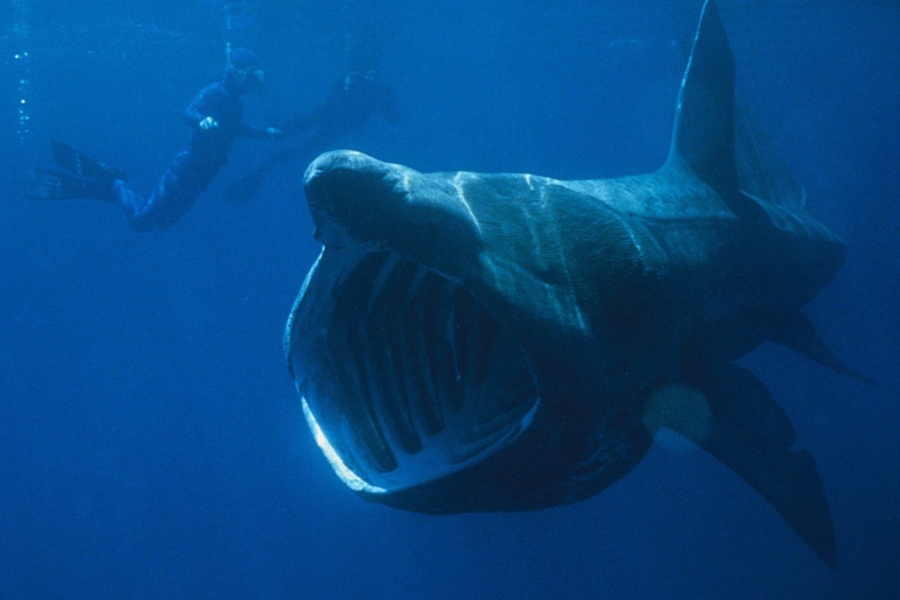
Two very different spectacles, both worth building a Scottish summer around. From around June to September, the waters of the Sea of the Hebrides, particularly around the islands of Mull, Coll and Tiree, fill with basking sharks: the second-largest fish in the world, gentle plankton feeders that can grow beyond ten metres and glide along the surface with a fin that looks alarmingly like something out of a different film altogether.
Meanwhile, inland, the Highland Games carry on a tradition that’s said to date back to King Malcolm III, who once summoned the fastest runners in Scotland to compete for the role of royal messenger. What survives today; caber tossing, hammer throwing, tug o’war, and pipe bands in full regalia and is largely a 19th-century revival, given a considerable boost by Queen Victoria’s enthusiasm for all things Highland.
Best for: Wildlife lovers and lovers of a good, honest tug o’war in equal measure.
4. ANZAC Day, Gallipoli, Turkey
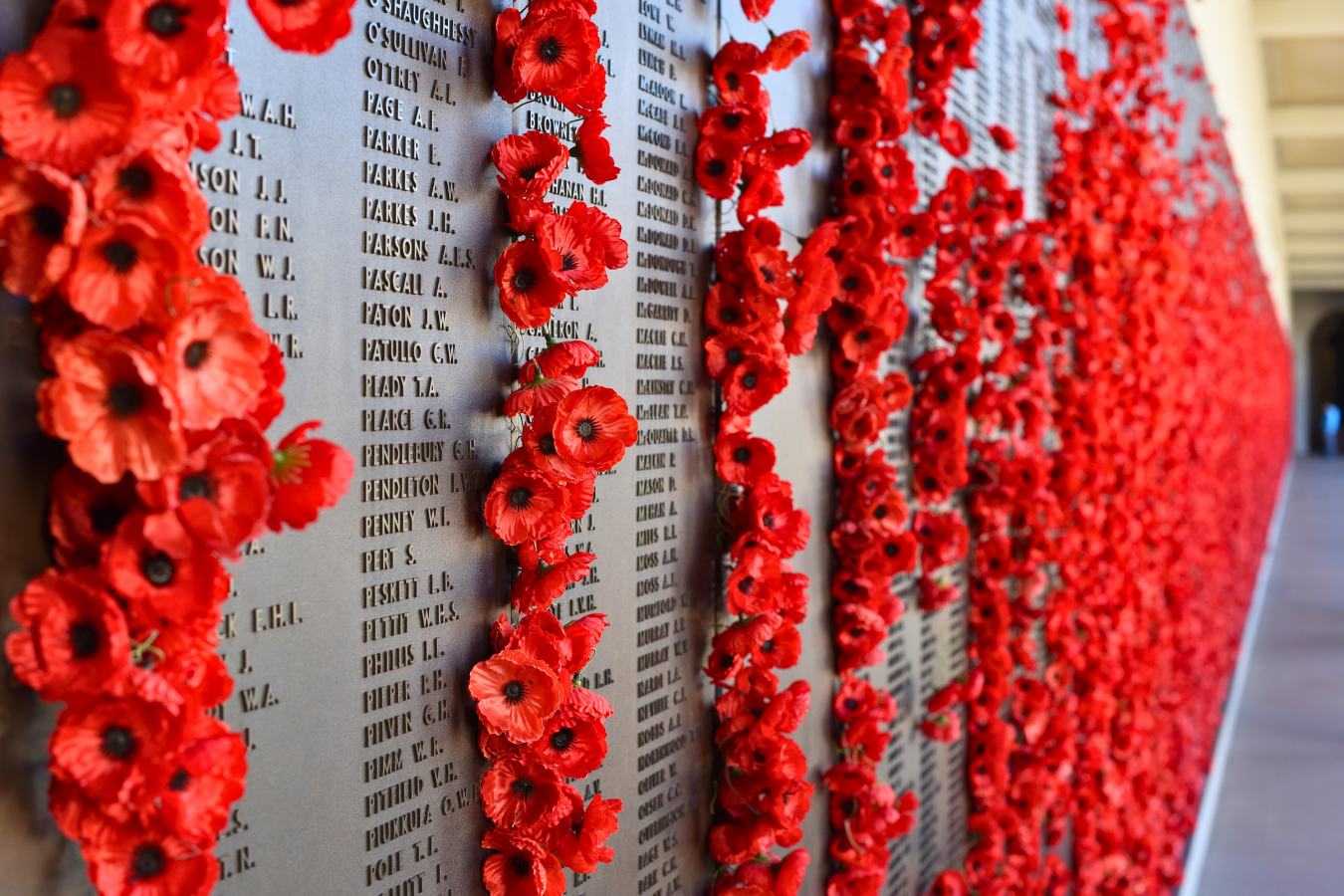
Every 25th April, thousands gather at Anzac Cove on Turkey’s Gallipoli Peninsula for a dawn service that commemorates the 1915 landing of Australian and New Zealand troops during the First World War. Of the 16,000 men who came ashore on that first day, more than 2,000 were killed or wounded by the following morning and the beginning of a gruelling, months-long campaign that shaped national identity on both sides of the world.
The dawn service is followed later in the day by an Australian ceremony at Lone Pine, named for the solitary tree that once stood on the battlefield, and a New Zealand service at Chunuk Bair. Standing on that quiet peninsula as the sun rises, surrounded by cemeteries and memorials, is a genuinely humbling experience and one that draws visitors back to Gallipoli year after year. Following the service, being able to visit the British memorials as well to pay respect to the troops that lost their life fighting for their country.
Best for: History lovers, and anyone wanting to understand how a single campaign can forge a nation’s sense of self.
5. San Fermín, Pamplona, Spain
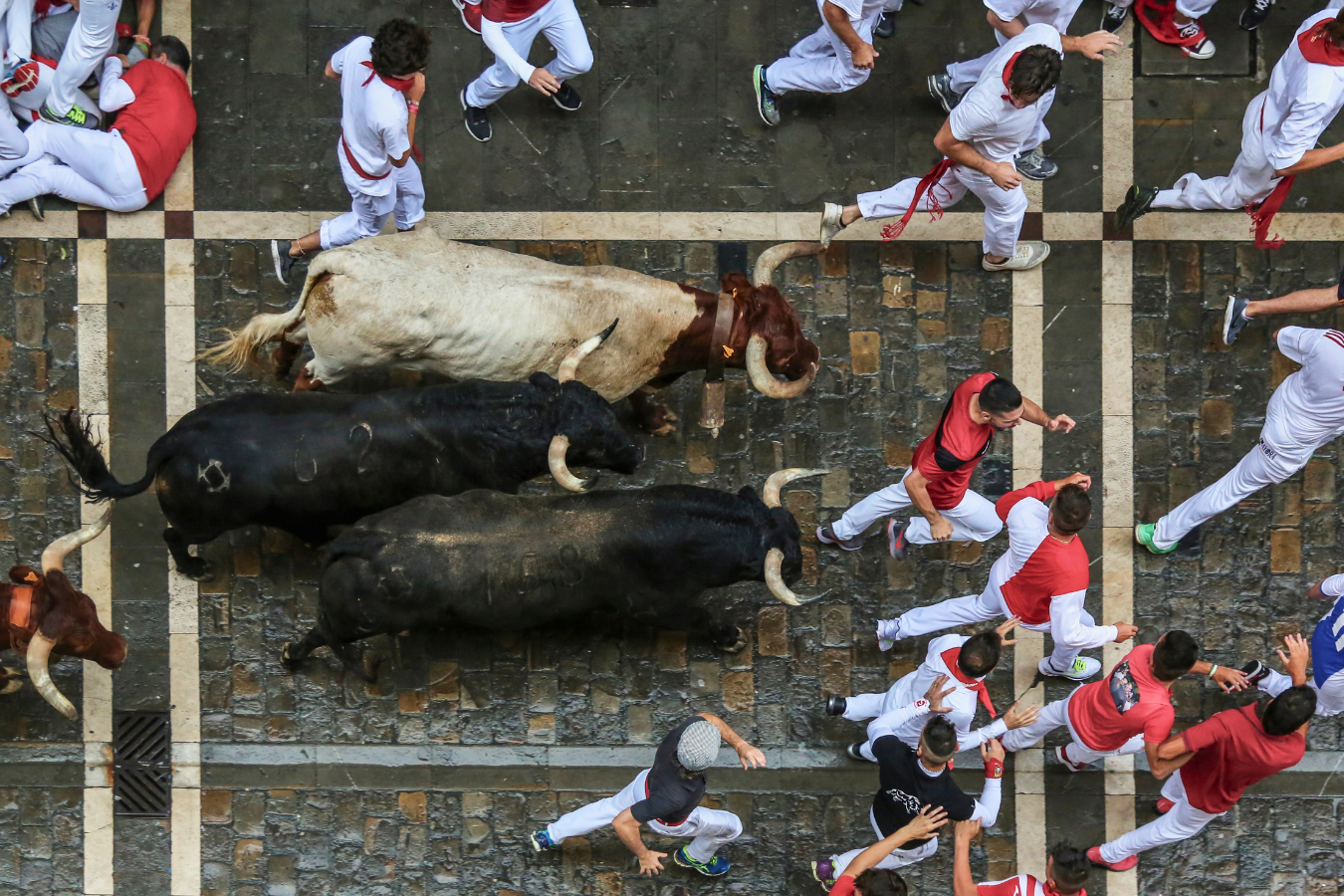
Held from 6th to 14th July, San Fermín is best known worldwide for the encierro, the running of the bulls through Pamplona’s narrow streets each morning, a spectacle immortalised by Ernest Hemingway and now watched by crowds from balconies and barricades across the old town. But the bull run is only a small part of a nine-day festival that also includes fireworks, giant processional figures, brass bands and rather a lot of sangria.
The opening ceremony, the Chupinazo, sees the entire town crammed into the Plaza Consistorial in a sea of red and white, waiting for the rocket that signals the festival has officially begun. Whether or not you fancy outrunning a bull yourself (we’d suggest not), the atmosphere alone makes Pamplona worth the trip.
Best for: Adrenaline seekers, and anyone who enjoys a festival that doesn’t do things by halves.
6. Midsummer, Sweden
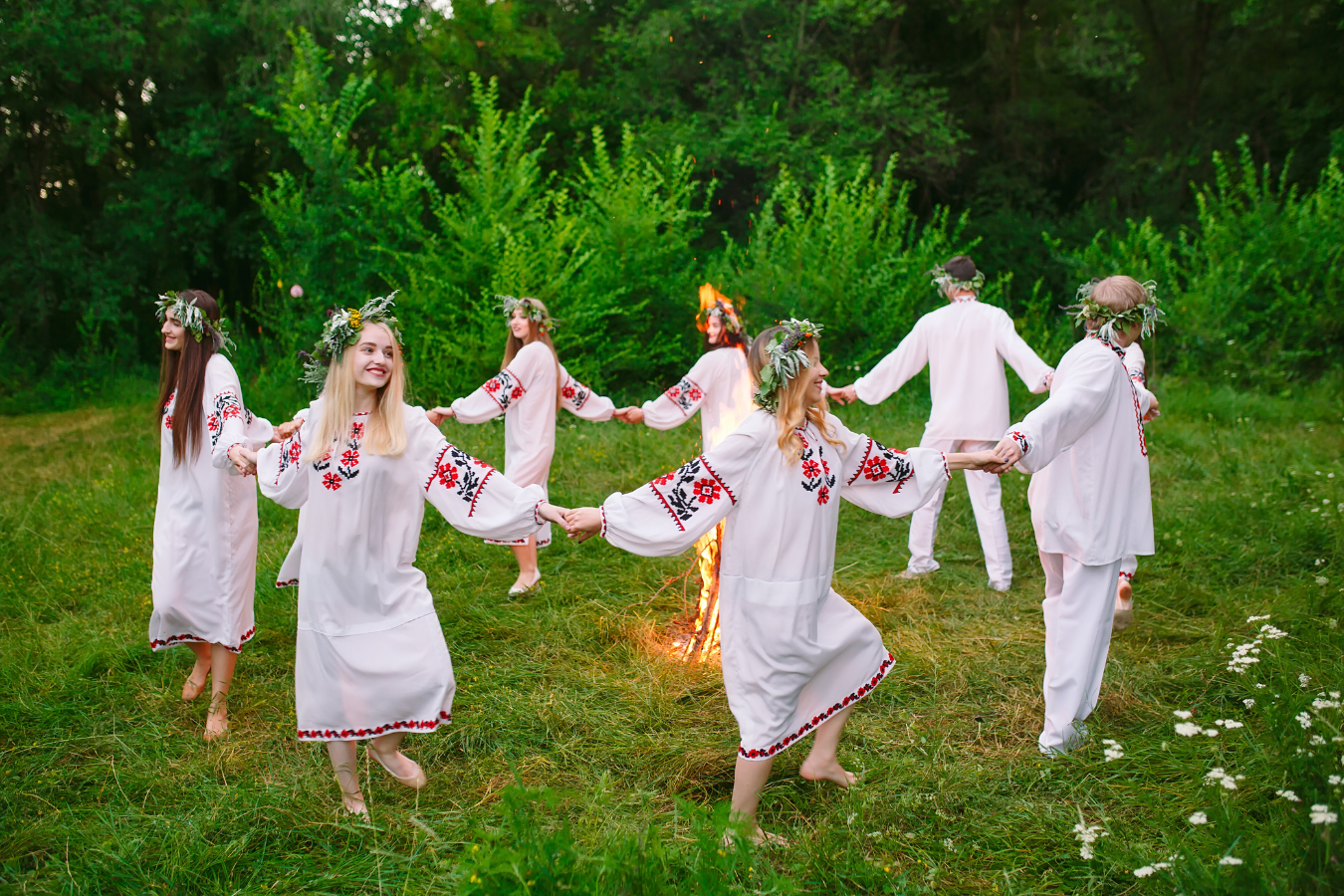
Midsommar falls on the Friday between 19th and 25th June each year, marking the longest day of the year with a celebration that predates Christianity by a considerable margin. Communities gather to raise a flower-bedecked maypole (majstång), dance around it to traditional songs, and weave crowns of wildflowers to wear for the rest of the evening.
Out in the archipelagos and countryside, where much of Sweden decamps for the occasion, the tables groan with pickled herring, new potatoes, soured cream and rather a lot of schnapps, all enjoyed under a sky that barely darkens at all. It’s a wonderfully unpretentious celebration, no elaborate costumes or ancient rites, just good company, simple food, and a genuine appreciation for a fleeting Nordic summer.
Best for: Anyone who wants to understand why Swedes take their summer so seriously.
7. Tour de France, France
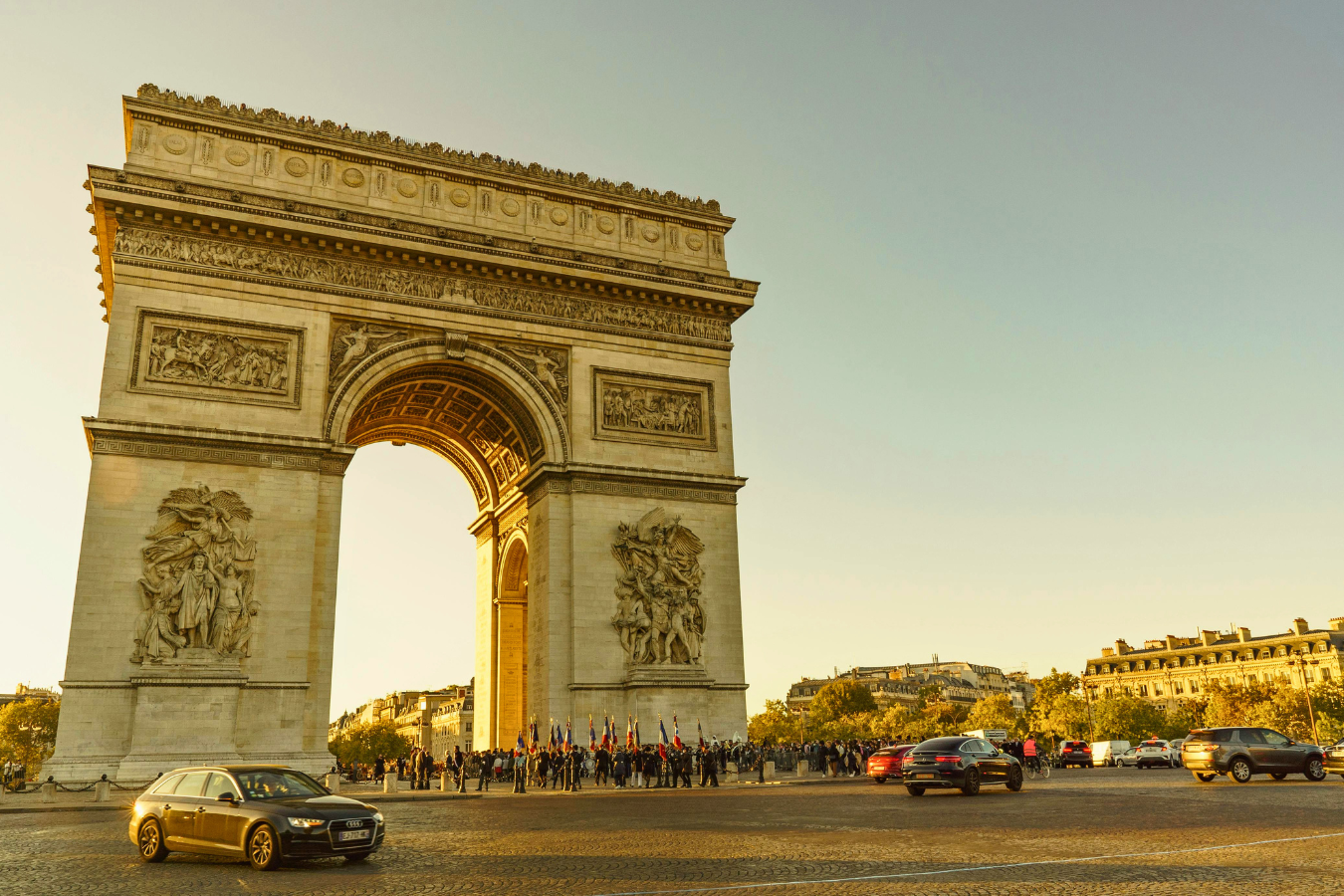
Every July since 1903, the world’s greatest cycling race has wound its way across France (with the occasional foray into neighbouring countries) over three punishing weeks and roughly 3,500 kilometres. Full route details and stage-by-stage coverage are published each year on the official Tour de France site. The mountain stages through the Alps and Pyrenees are where the race is usually won or lost, riders grinding up switchback after switchback while roadside crowds press in from either side, but it’s the final procession down the Champs-Élysées in Paris that provides the great theatre.
You don’t need a ticket, a grandstand seat or even much cycling knowledge to enjoy it properly, just find a spot on a mountain stage, bring a picnic, and wait for the peloton to sweep past in a blur of colour, noise and unmistakable effort. The rider in the yellow jersey (maillot jaune) leads the overall standings, and the fight to wear it into Paris is one of sport’s great slow-building dramas.
Best for: Sports fans and anyone who fancies combining a proper Alpine holiday with a world-class spectator event.
8. The Great Migration, Kenya & Tanzania
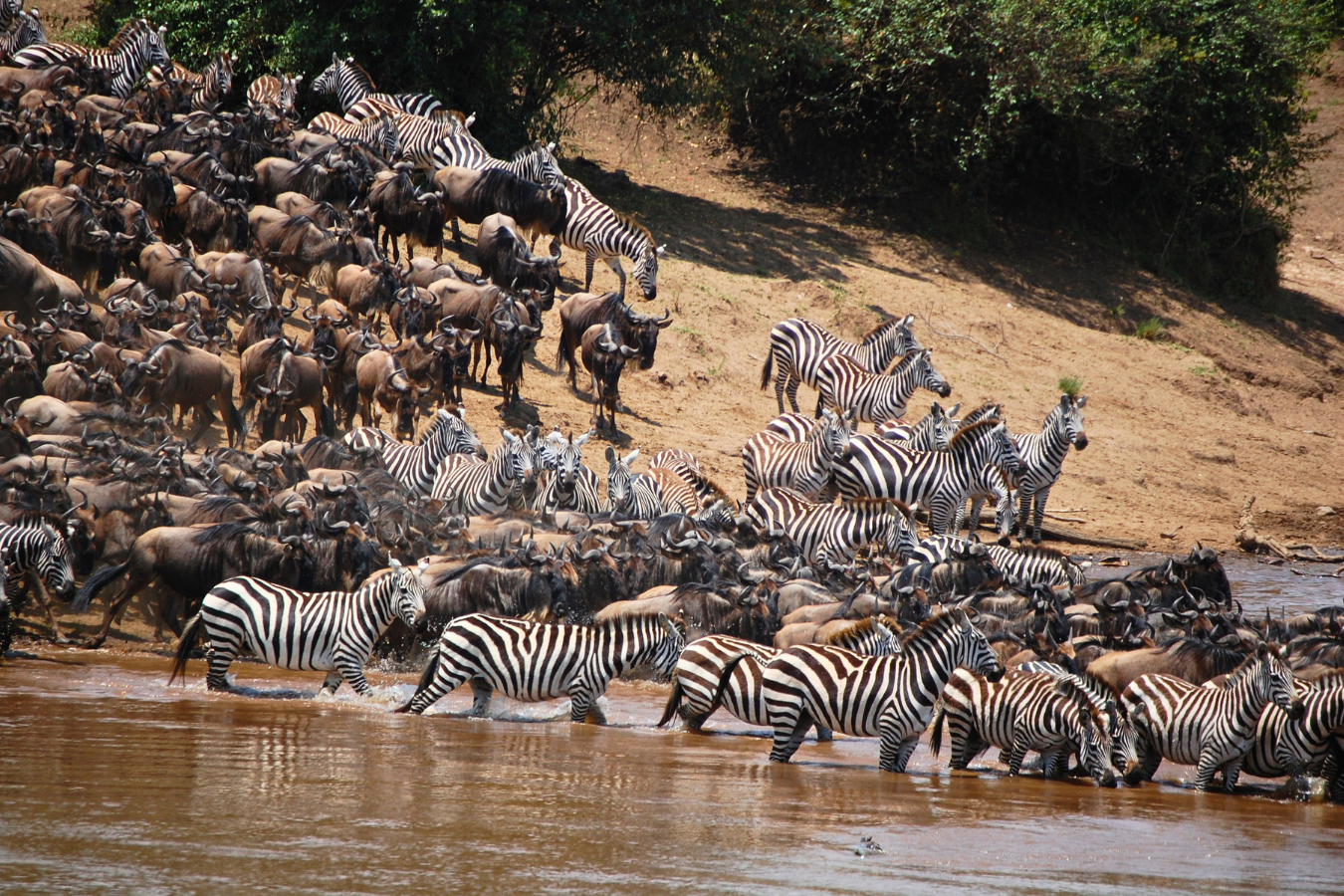
Around two million wildebeest, along with several hundred thousand zebra, move in a continuous, roughly circular pattern between the Serengeti in Tanzania and the Masai Mara in Kenya, chasing the rains and fresh grazing across the plains. It’s less a single event than a year-round cycle, but the most dramatic chapter; the Mara River crossings, typically plays out from late July into September, as the herds fight their way through crocodile-filled water on the way north.
Nobody can predict the exact day a crossing will happen; the animals themselves don’t seem to know until the last moment, and that unpredictability is part of what makes witnessing one so thrilling. Whenever you go, and wherever in the cycle you catch it, the sheer scale of the migration, the noise, the dust, the sense of a landscape genuinely on the move, is unlike anything else on earth.
Best for: Wildlife enthusiasts prepared to be patient, and rewarded handsomely for it.
9. Carnival, Brazil
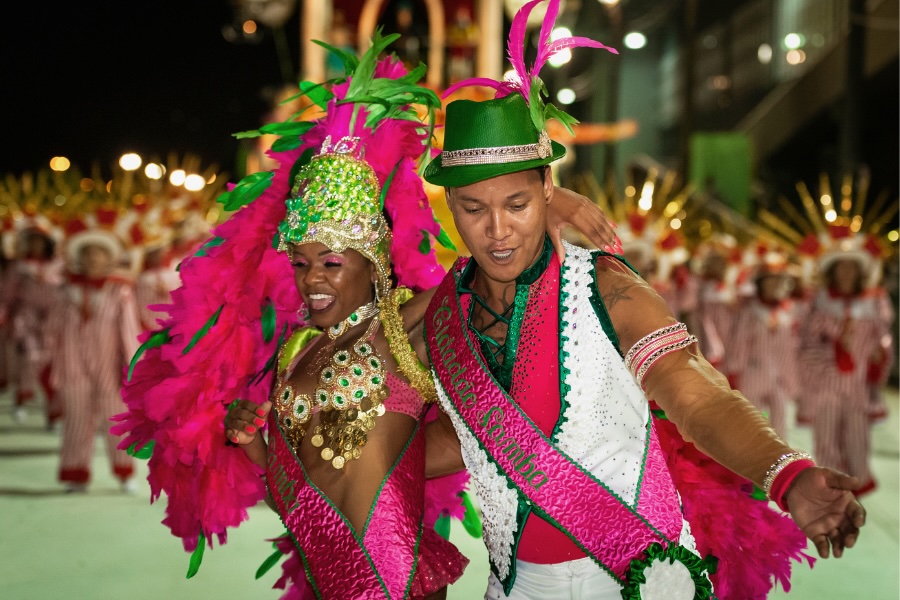
Held in the run-up to Lent each February or March, Rio’s Carnival is the largest and most famous of its kind anywhere in the world. The centrepiece is the Sambadrome parade, where the city’s top samba schools compete in a riot of sequins, feathers and percussion that’s rehearsed for the entire year beforehand, but the real party happens on the streets, at the blocos; free, informal gatherings that draw millions of revellers across the city.
Carnival’s roots stretch back to Portuguese colonial entrudo celebrations, later fused with African rhythms and traditions brought by enslaved communities, evolving over centuries into the spectacle it is today. Whether you watch from a grandstand seat in the Sambadrome or simply follow a bloco through the streets of Santa Teresa, Carnival is Brazil at its most unguarded and exuberant.
Best for: Anyone who wants their trip accompanied by a permanent soundtrack of drums.
We’d love to know your answer and if you’ve visited any of them, tell us about it in the comments below. And if this list has given you the curioisity to attend one, please reach out, we can’t promise wonders but we’ll do our best and you can expect something special in 2027, watch this space!
Explore the world differently with Untravelled Paths. Small groups, big experiences and places you won’t find in the brochures.
Written by Jackson Cornish
The post 9 Extraordinary Events for Your Travel Bucket List: appeared first on Untravelled Paths.
from Untravelled Paths https://blog.untravelledpaths.com/blog/9-extraordinary-events-for-your-travel-bucket-list/

No comments:
Post a Comment