
There’s a reason seasoned travellers rate winter as the best time to visit Iceland, not the worst. Yes, the days are shorter and the temperatures dip, but that’s precisely what unlocks the country’s most extraordinary experiences. The Northern Lights only dance across dark winter skies. Ice caves only form when the glaciers freeze solid enough to explore safely. The crowds that fill Reykjavík’s streets in July thin right out, leaving you with quieter trails, softer light, and a landscape transformed into something otherworldly.
Below, we’ve rounded up ten of Iceland’s finest winter highlights, and why each one is better between November and March than at any other time of year.
1. Whale Watching
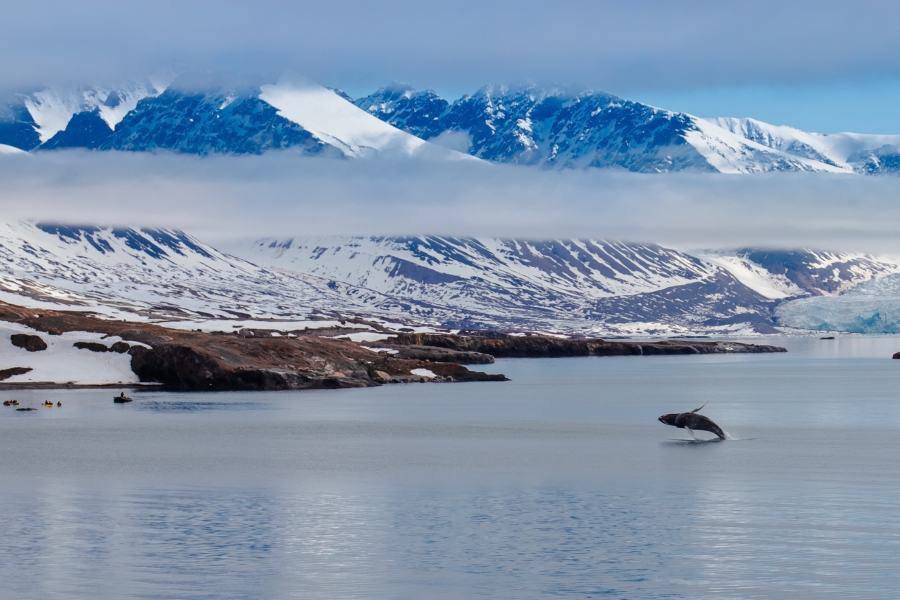
Winter whale watching off Iceland’s coast is often calmer and clearer than the busier summer season, with pods of orcas and humpbacks frequently spotted feeding closer to shore. Fewer boats on the water means a more peaceful, personal encounter.
2. The Blue Lagoon
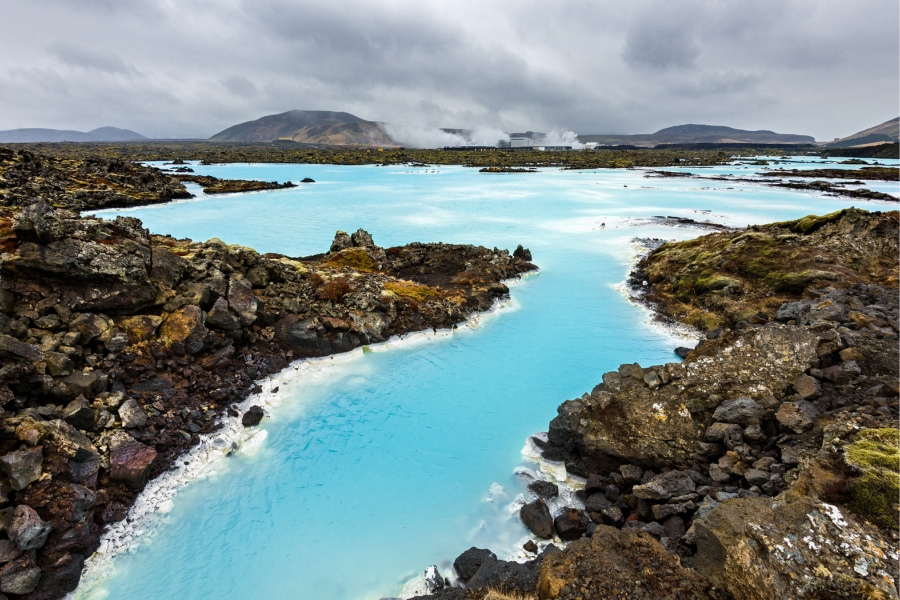
There’s nothing quite like soaking in the Blue Lagoon’s milky-blue geothermal waters while snow settles on the surrounding lava fields. The contrast of steaming warmth against freezing air is one of Iceland’s signature winter sensations, and on a clear night you might even catch the Northern Lights from the water.
3. Diamond Beach
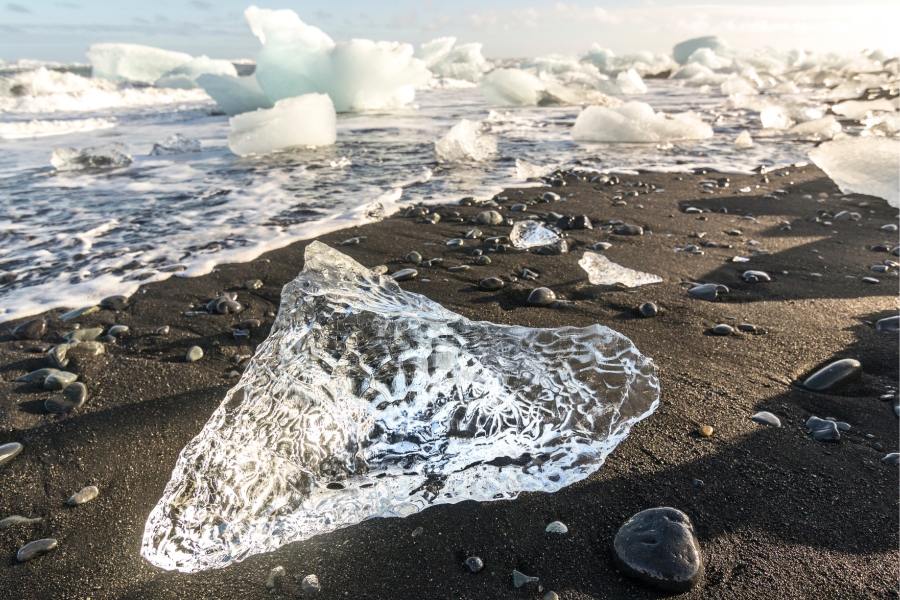
Named for the glittering icebergs that wash up on its black volcanic sand, Diamond Beach is at its most dramatic in winter, when low light catches every facet of the ice. It sits alongside the Jökulsárlón glacier lagoon, making the two an essential pairing on any winter itinerary.
4. Ice Caves
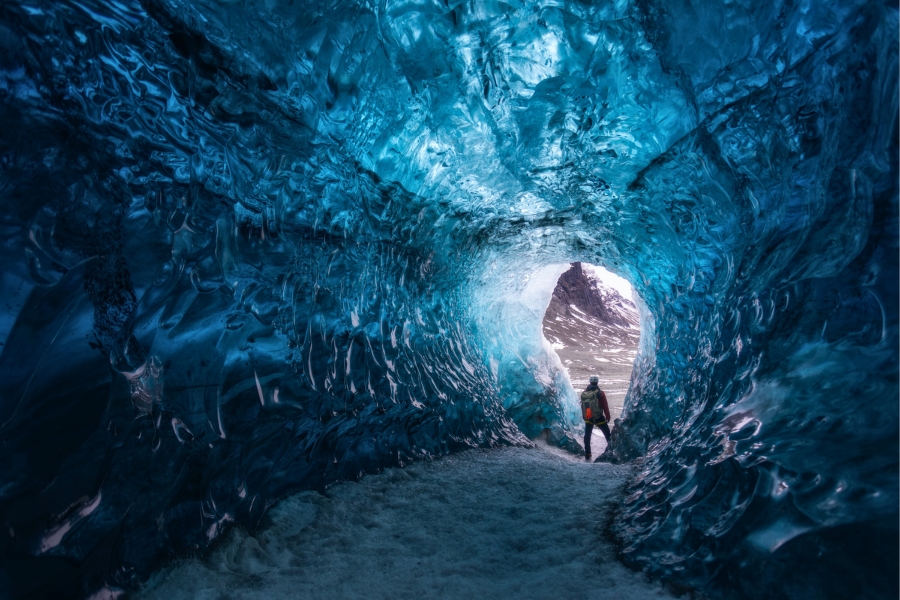
Iceland’s glittering blue ice caves only appear in the colder months, when the glaciers are stable enough to venture inside safely. Formed by meltwater carving through centuries-old ice, these natural caverns are one of the country’s most exclusively wintry wonders, gone entirely by summer.
5. The Northern Lights
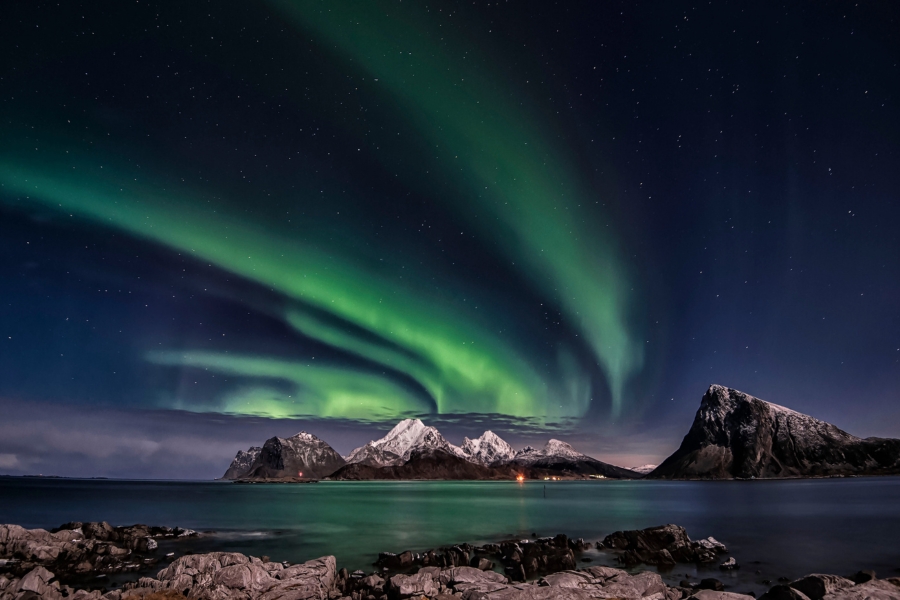
The Aurora Borealis is the headline act of an Icelandic winter. With long hours of darkness and minimal light pollution outside Reykjavík, winter offers by far the best odds of witnessing the lights ripple green and violet across the sky.
6. The Great Geysir
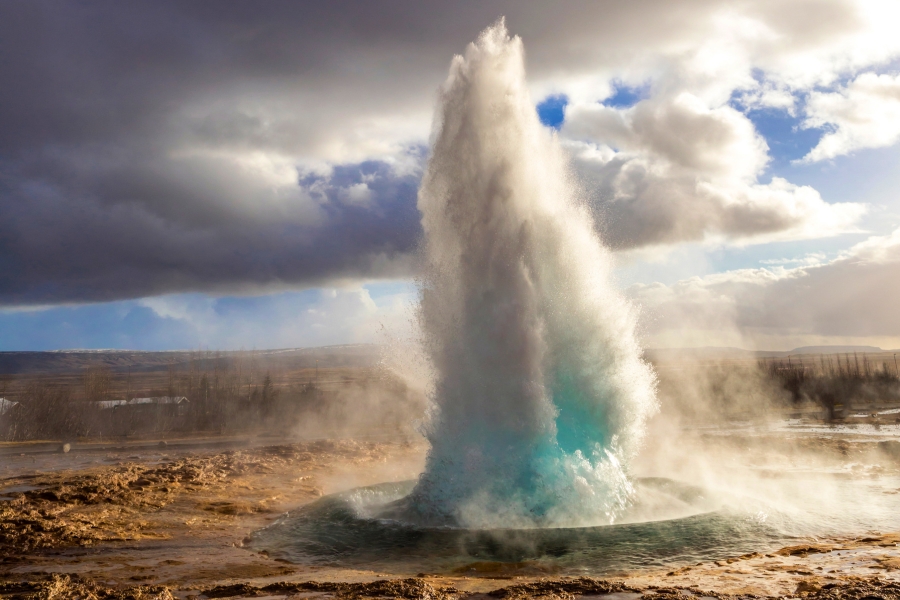
Watching the Great Geysir and its neighbour Strokkur erupt against a snow-dusted backdrop is a wonderfully atmospheric winter experience. The plumes of scalding water and steam feel even more striking against the crisp winter air.
7. Snorkelling at Silfra
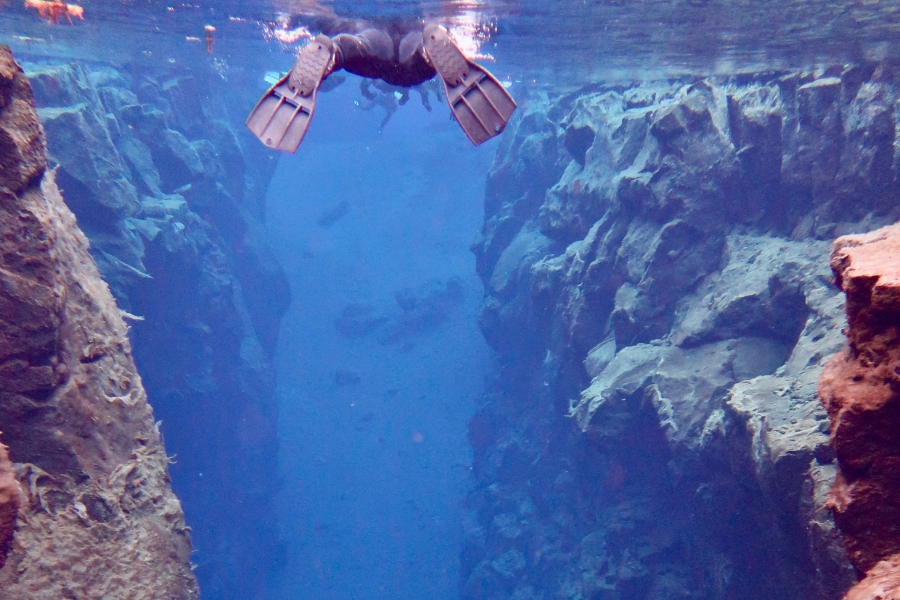
Silfra fissure, where the Eurasian and North American tectonic plates meet, offers some of the clearest water on Earth all year round, but winter brings a stark, otherworldly beauty to the surrounding ice and snow that summer simply can’t match.
8. Glacier and Lagoon Exploration
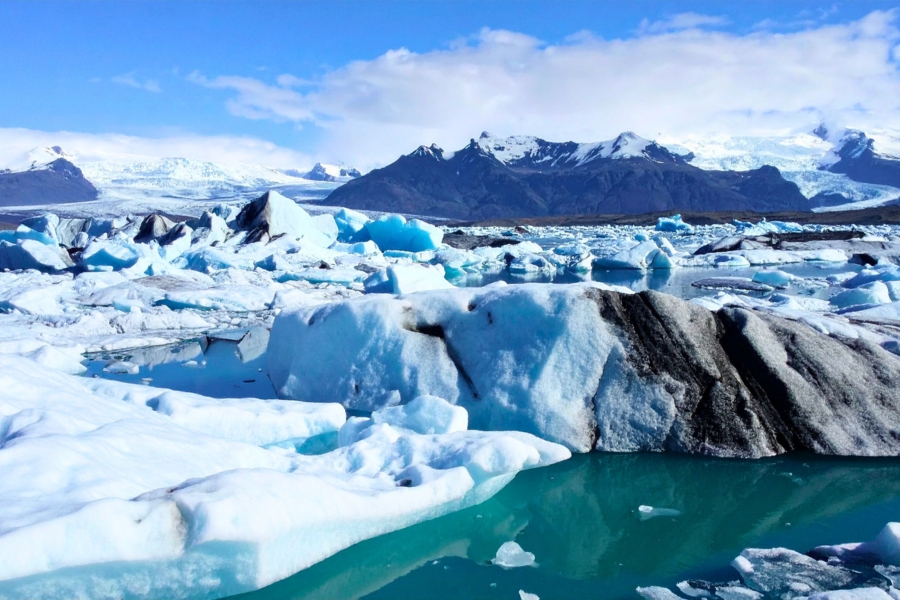
Winter is prime time for glacier walks and lagoon visits, when the ice is at its most solid and photogenic. Guided tours across Iceland’s glaciers reveal deep blue crevasses and frozen formations rarely seen at other times of year.
9. Waterfalls
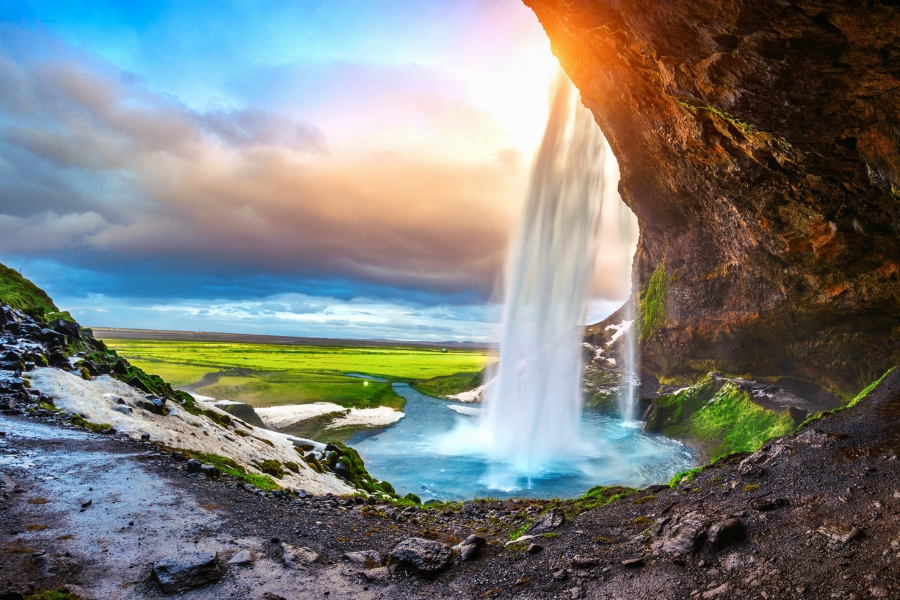
Iceland’s famous waterfalls, from Gullfoss to Skógafoss, take on a magical, half-frozen quality in winter, with ice formations framing the cascades and far fewer visitors around to share the view.
10. Reykjavík
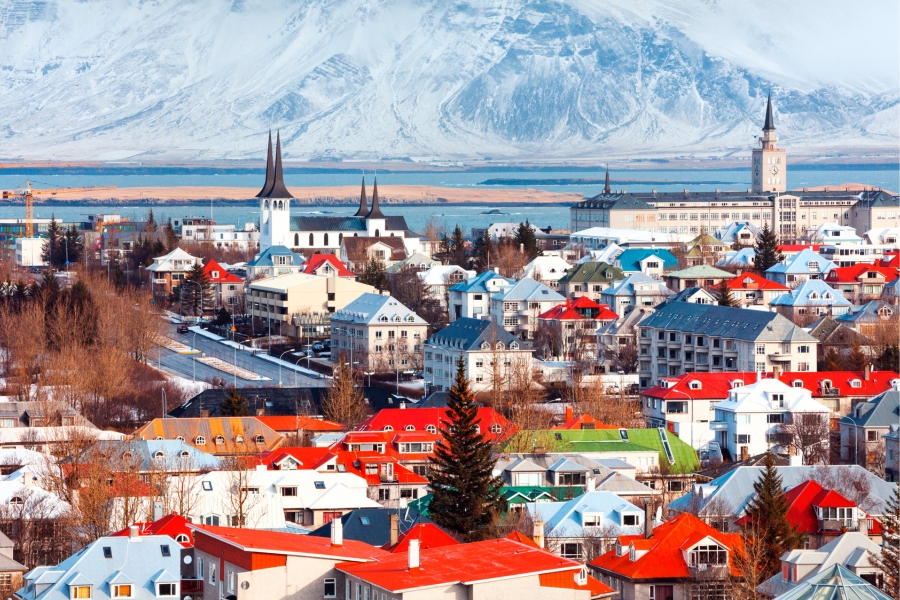
Iceland’s capital comes alive in winter with cosy cafés, geothermal pools, and long, atmospheric evenings perfect for exploring its restaurants, bars, and Northern Lights tours right on the doorstep.
Ready to Experience Winter Iceland for Yourself?
If this has whetted your appetite, we’d love to show you Iceland at its most magical. Our brand-new Mini Winter Iceland Experience brings together many of these very highlights in one beautifully paced small-group trip, expertly guided from start to finish.
Spaces are limited, so get in touch with the Untravelled Paths team today to secure your place and discover Iceland’s winter wonders for yourself.
Written by James Chisnall
The post 10 Unmissable Winter Highlights in Iceland (And Why Winter Is the Best Time to Go) appeared first on Untravelled Paths.
from Untravelled Paths https://blog.untravelledpaths.com/blog/10-unmissable-winter-highlights-in-iceland/

No comments:
Post a Comment